Episode 159:
She Knocked with a Smile, Hiding a Rope Ready for Murder in Her Bag
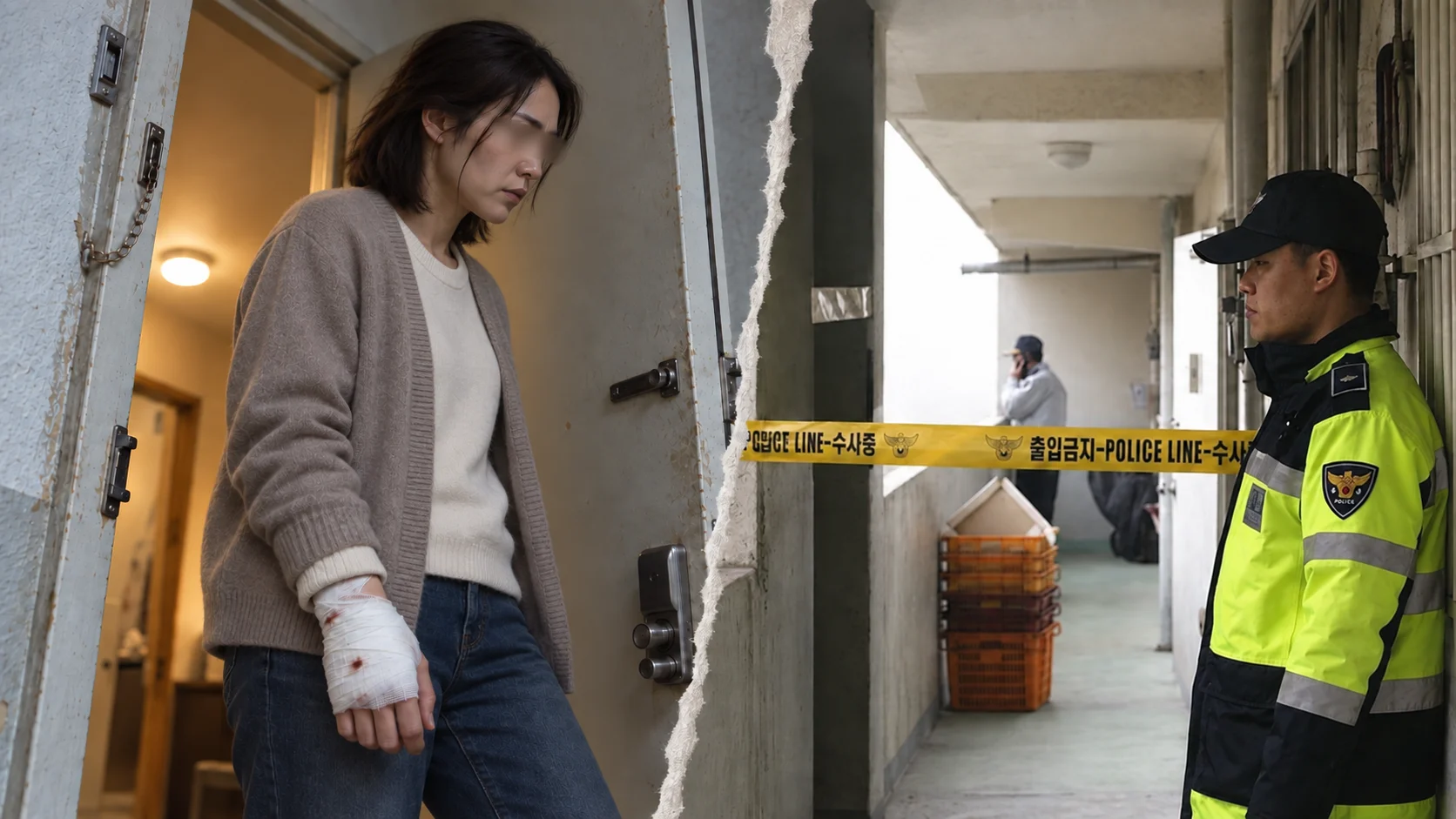
At noon on Monday, April 21, 2003, a 70-year-old man in Suwon, South Korea, walked to the neighborhood senior center with his wife, as they did most days. The two, referred to here by the aliases Taebok Lee and Soonok Jung, had been married for thirty years. At 3:30 p.m. Soonok said she was going home to rest. Her husband followed half an hour later. When he opened the door of their 16th-floor apartment, she was lying by the entryway covered in blood, with many stab wounds in her neck.
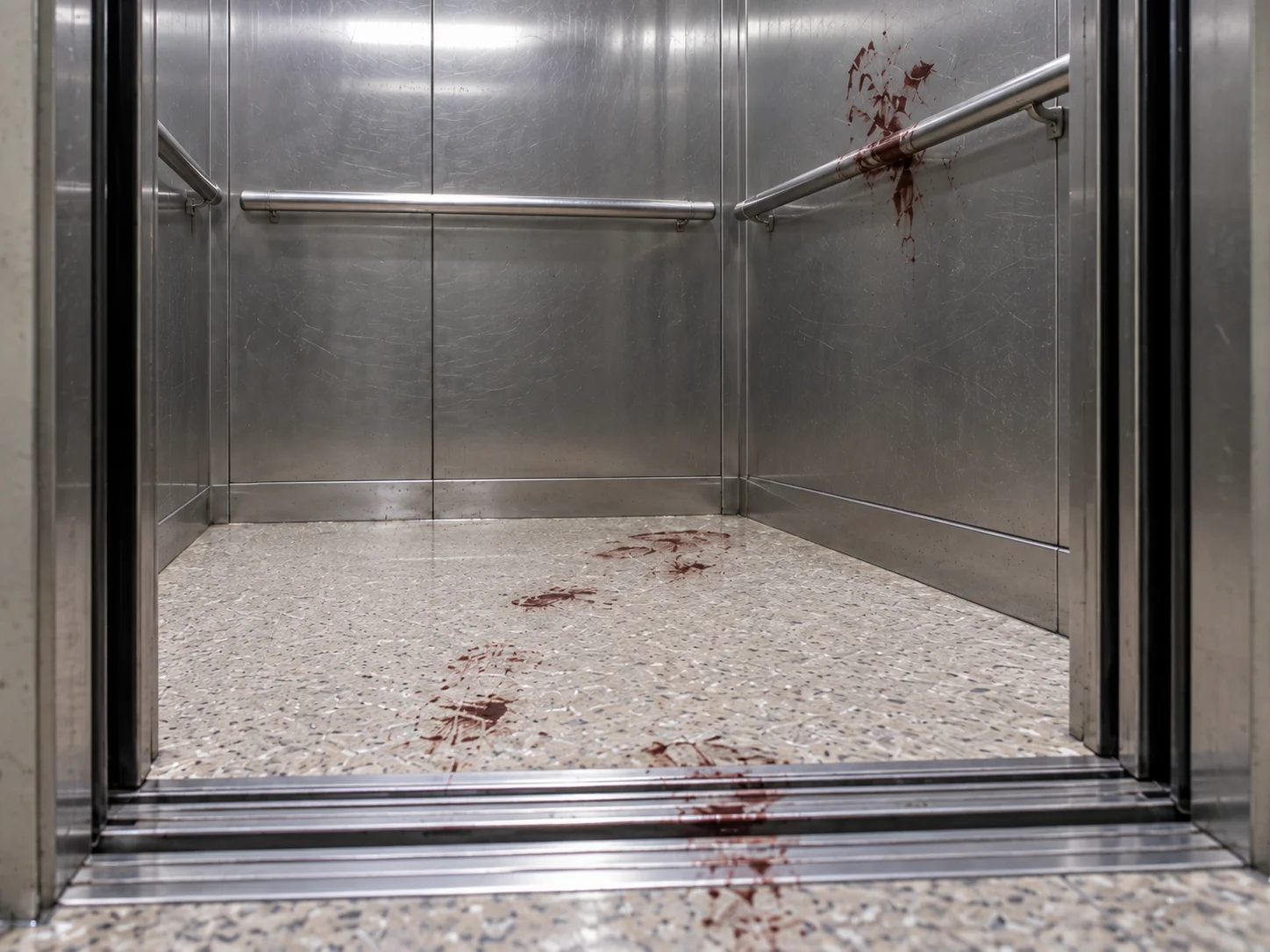
He held her and asked what had happened, then ran out in a panic, covered in her blood, and got into the elevator before it occurred to him to call the police. By the time officers arrived, the elevator and the 16th-floor hallway were marked with bloody handprints and footprints. All of them were his. Whatever traces the killer had left there were now smeared over.
Thirty Minutes

Drawers had been pulled open, and a bag holding about $70 and two cards was missing, but every other valuable was still in place and neither the door lock nor the windows had been forced. Detectives concluded that the robbery had been staged by someone Soonok knew. The timing pointed the same way. She had been alone for only thirty minutes, so the killer must have attacked almost as soon as they met. Near the entrance police found one footprint that was not the husband's, and it was small. The autopsy showed that Soonok had been strangled until she lost consciousness and then stabbed, and that the wounds were shallow, made without much force. A neighbor remembered seeing an unfamiliar woman in her thirties talking with Soonok that day, their voices rising. The elevator camera showed nobody getting off at the 16th floor in that half hour, which meant the killer had used the stairs, where there were no cameras.
A Fingerprint on the 14th Floor
Dusting an entire stairwell was slow work in 2003, so police limited it to the 16th through 14th floors and the stretch near the ground-floor entrance, and looked at Soonok's life while they waited. She had made her money in real estate and lived on the rent from a six-story building she owned in Suwon's Ingye neighborhood. She was generous with her husband's five children from his first marriage, most of whom depended on her help, but strict about money, and she evicted tenants who fell behind without hesitation. Her husband mentioned that his third daughter often fought with her over the support she gave. The daughter admitted the arguments, but she had a solid alibi, her shoes did not match the print, and she was much older than the woman the neighbor had seen. Detectives turned to the tenants and came across a 32-year-old woman, referred to by the alias Soonja Lim, who had run a green-juice business on the third floor from June 2000 and had been evicted about a year earlier for unpaid rent. Then the lab results came back. A partial print from the 14th-floor stairwell was hers.
The Former Tenant
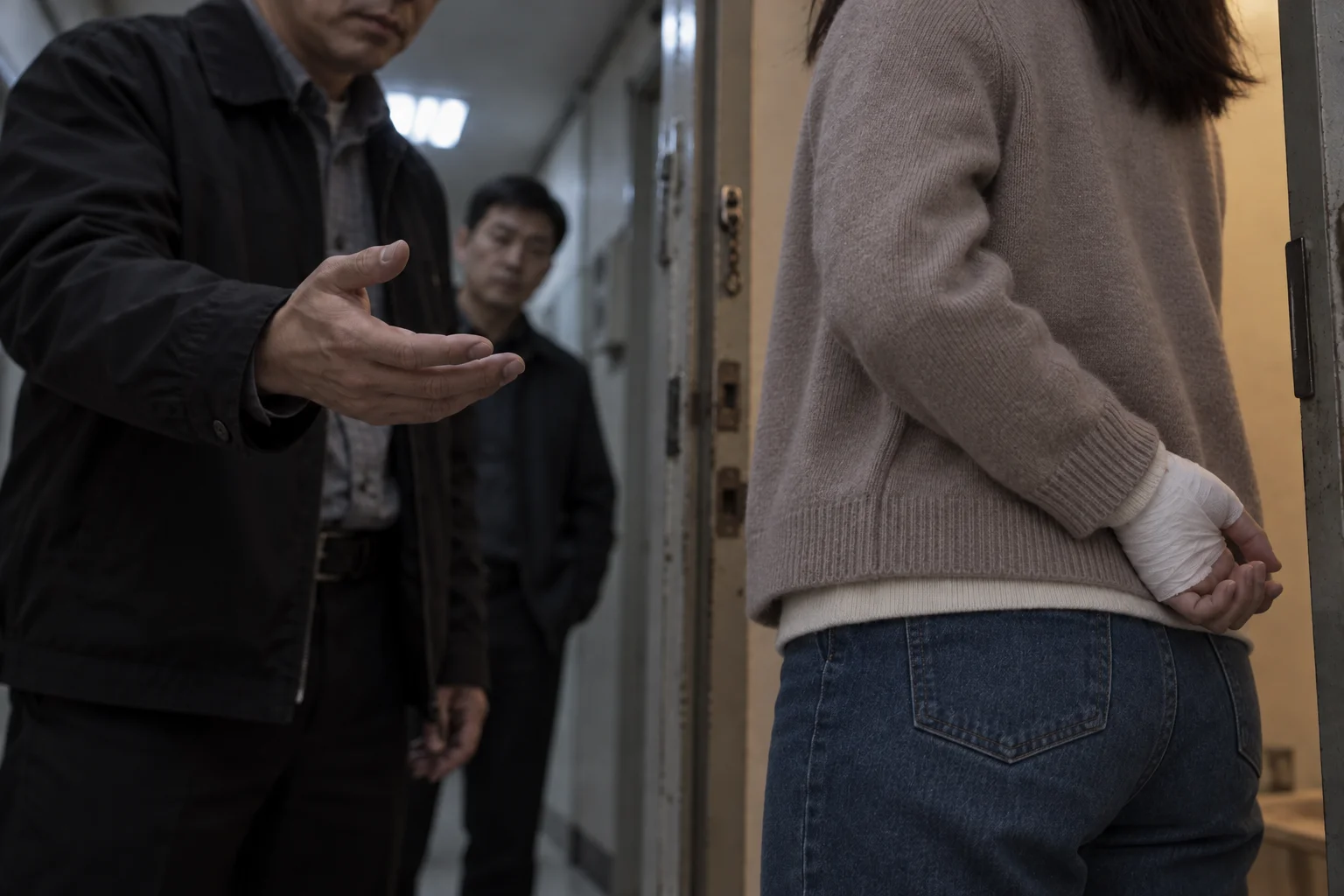
Lim answered the door in Osan with a bandage around her right hand and said a flowerpot had broken. When her young son came home from school she tried to throw the detectives out, and agreed to go to the station when they asked whether she wanted to continue in front of him. There she said she had never seen the woman in the photo, then that the photo must look different. She said she had only ever been to the other building in the complex. Shown the fingerprint, she went quiet. Detectives handed her an outline of a human body and asked her to mark where she had stabbed. Her marks matched the wounds. She then gave her account. Selling green juice door to door, she had run into Soonok by chance at the complex, and Soonok had asked with a sneer whether she was still selling that stuff. After a fruitless round of sales calls she went up to the 16th floor hoping her old landlord would buy one, was insulted again, and in a rage took a cord from her bag, strangled her, and stabbed her with a paring knife from the shoe rack, cutting her own hand. Then she opened the drawers, took the bag, and left by the stairs.
Final Thoughts
Police doubted much of that. Only Lim's word supports what Soonok is supposed to have said. No resident recalled a sales visit that day, the thirty-minute window left no room for a round of calls, and a green-juice seller had no obvious reason to carry a cord in her bag. Investigators suspected she had gone there intending to kill. Lim held to the end that it was a chance meeting and an impulse. The first court sentenced her to eight years. On appeal, after she reached a settlement with the victim's family and expressed remorse, that was reduced to six. She has long since been released. Soonok had worked her whole life for what she owned and was living on it in her seventies. Her husband found her thirty minutes after she said she was going home to rest.
The killer said she acted on impulse after being insulted, but she had a cord in her bag and no resident recalled a sales visit that day. She received six years after settling with the victim's family and expressing remorse. How much do you think a settlement and an apology should reduce a sentence for taking a life?
WE DOCUMENT.
YOU DECIDE.
Our interpretation is only one possible perspective.

