Episode 148:
She Begged for Her Life but Her 14-Year-Old Friends Still Let Her Fall
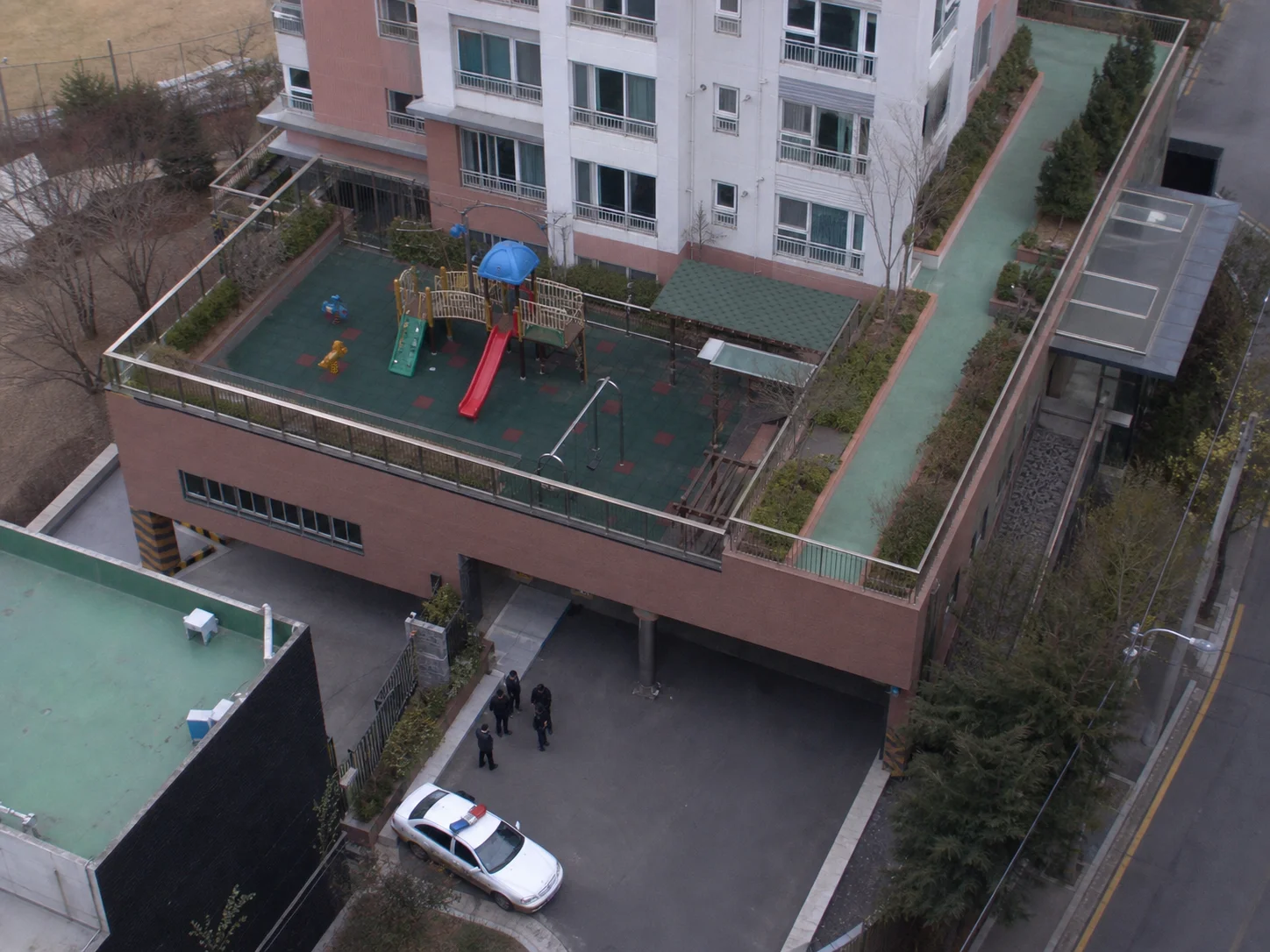
On the night of October 1, 2009, at the end of a long holiday weekend, a security guard at a mixed-use apartment building in Seoul's Seongdong district heard a dull thud outside. He went out with a flashlight and found a schoolgirl lying on the asphalt, bleeding from her head and mouth. Paramedics arrived within minutes, but the 14-year-old was already dead. She appeared to have fallen from a residents' playground on the third floor, about 40 feet up.
Police quickly doubted it was an accident. She had landed headfirst, which experts said doesn't happen in a simple slip from that height, and she had a long, bruised laceration across her buttocks, the kind left by a rod or stick. On the playground, officers found a broken wooden broom and used disposable gloves. But the girl didn't live in the building and carried no phone or wallet, and for days nobody came forward to identify her. Only on October 5 did her parents file a runaway report. She often stayed at friends' homes without calling, so they hadn't worried when she left after a phone call at 7 p.m. on October 1. The names used here for her and for the two girls later arrested are pseudonyms.
A Confession That Cost Her Life
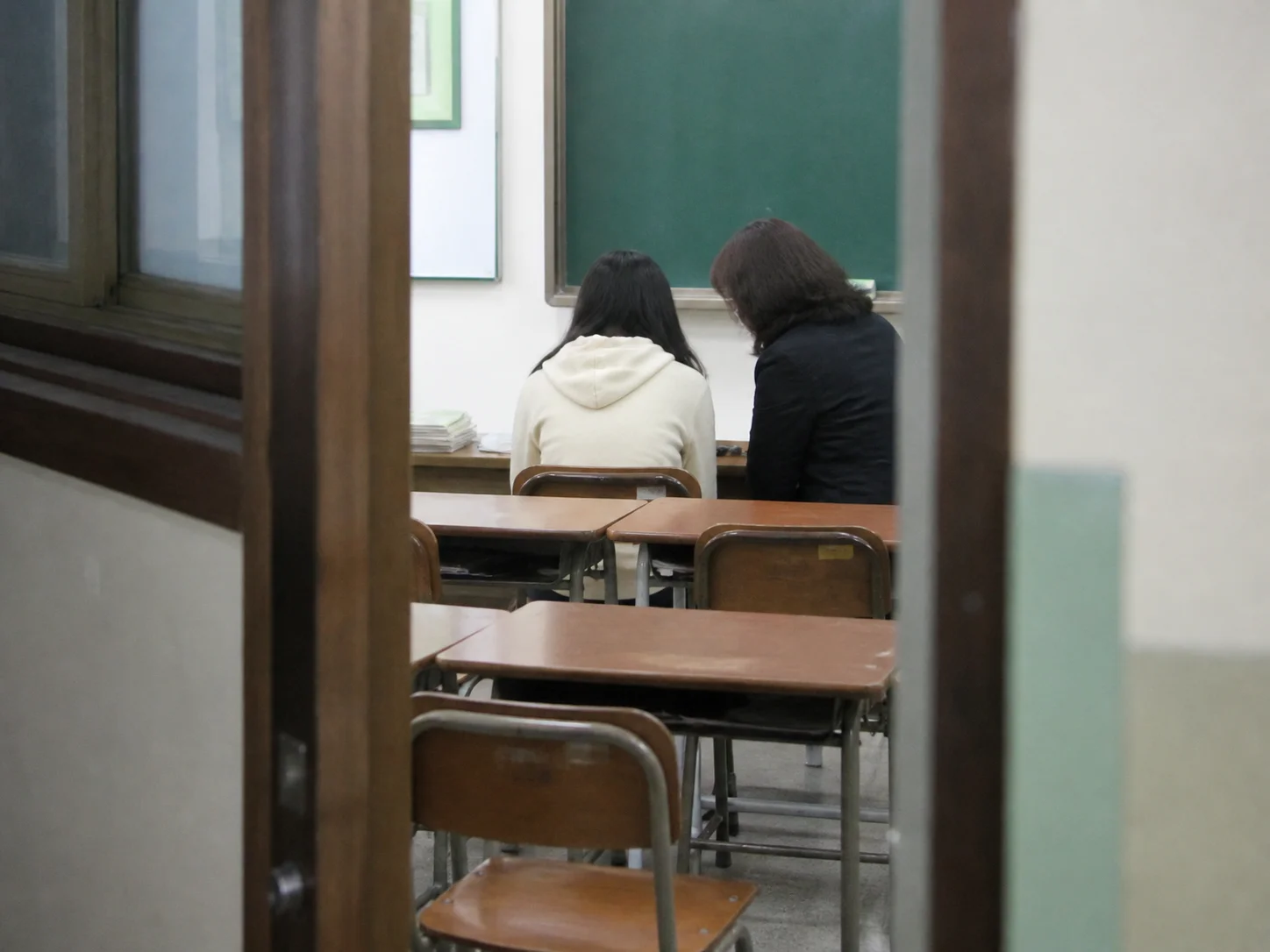
The victim, an eighth grader called Soo-jin Jang, had left home at 7 p.m. and fallen at 9:40 p.m. To fill in those two hours and forty minutes, police traced the call that had drawn her out. The number was registered to a man in his forties, who said the phone was actually used by his 15-year-old daughter, Seo-jin Woo, a middle school dropout with a record for stealing a motorcycle who had walked out of a youth shelter a month earlier. At Soo-jin's school, detectives learned why the two were connected. On September 20, Soo-jin had been riding on the back of a motorcycle driven by someone she had met in an online chat when they hit a 4-year-old child stepping out of a restaurant in Seongsu, and fled. Soo-jin couldn't sleep afterward. On October 1 she told her homeroom teacher, who took her to the police station to report it.
The "Older Boys" Were Two Girls

A friend told police she had seen Soo-jin near the apartment complex that evening with "two older guys." They were not boys. The motorcycle driver Soo-jin had called an older guy was Seo-jin Woo, who wore her hair very short, and the second was Mi-ae Joo, a 13-year-old sixth grader. The two had met in a juvenile detention center, where both had been sent for stealing motorcycles, moved to the same youth shelter, and run away together. Since then they had drifted between internet cafes, slept in apartment stairwells, and stolen wallets when their money ran out. Police just missed Seo-jin at a boarding house in Ilsan, then noticed she was still logging into online games. With the game company's help they caught a live login at an Ilsan internet cafe, sealed the exits, and called out her name. A girl with short bleached hair in the corner looked up. Both girls were arrested and both confessed.
"One, Two, Three"
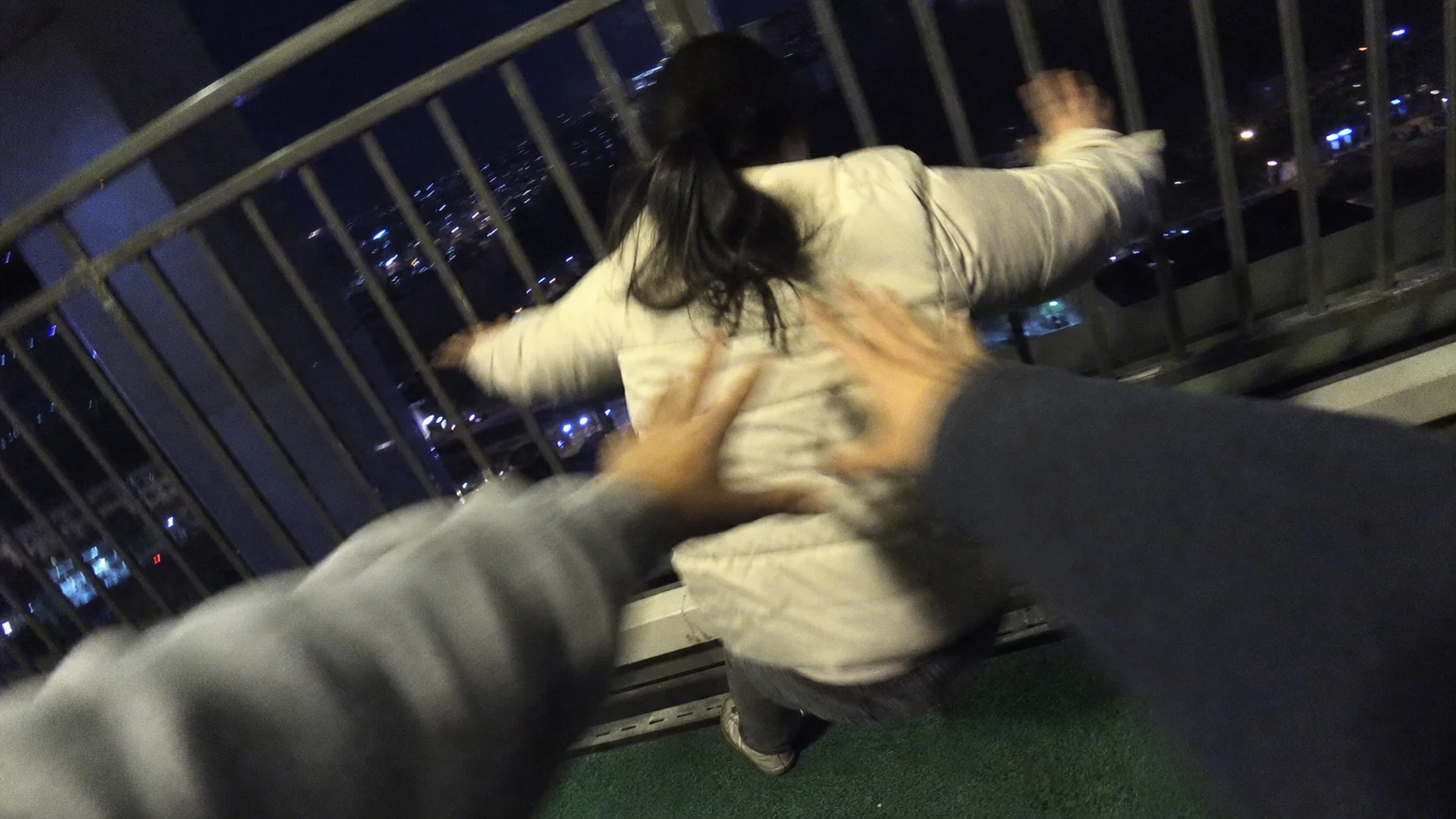
After going to the police, Soo-jin texted Seo-jin to say she had confessed and that officers would be calling her next. Seo-jin, already a runaway from a youth facility and now facing a hit-and-run charge for driving without a license, turned her fear into rage at what she saw as a betrayal, and pulled Mi-ae into a plan. They bought gloves at a supermarket so they wouldn't leave fingerprints and chose the most deserted spot they could find, the third-floor playground. At 7 p.m., Seo-jin called Soo-jin and asked to meet and talk. As soon as Soo-jin arrived, Seo-jin shoved her, screamed at her for going to the police, ordered her to the ground, and beat her with a broom until it broke, while Soo-jin kept apologizing. Seo-jin then sexually assaulted her. Finally she ordered Soo-jin to sit on the playground railing. The two girls stood on either side of her and, on a count of "one, two, three," pushed her off.
Final Thoughts
After confessing, Seo-jin told detectives they had pushed Soo-jin but hadn't meant to kill her. At 15 she was old enough to be held criminally responsible, but she was tried under Korea's Juvenile Act, and for the murder and the hit-and-run combined she received a sentence of four to six years. Mi-ae, at 13, was a protected juvenile who could not be prosecuted at all. She was sent to a juvenile classification home and has no criminal record. Both would be adults now. The parents of the two girls reportedly never appeared at any point before the trial ended, and nobody had noticed when their daughters ran from the shelter. A neglected childhood doesn't excuse what they did, but it does raise the question of who was supposed to step in before two children living on the streets decided to kill a third.
The 15-year-old who led this attack was sentenced to four to six years, and the 13-year-old who helped push the victim could not be criminally charged at all and has no record. Where do you think the line should be between giving a child a chance to be rehabilitated and holding them accountable for a killing they planned?
WE DOCUMENT.
YOU DECIDE.
Our interpretation is only one possible perspective.

