Episode 125:
A Murder Case from Korea You Should Know
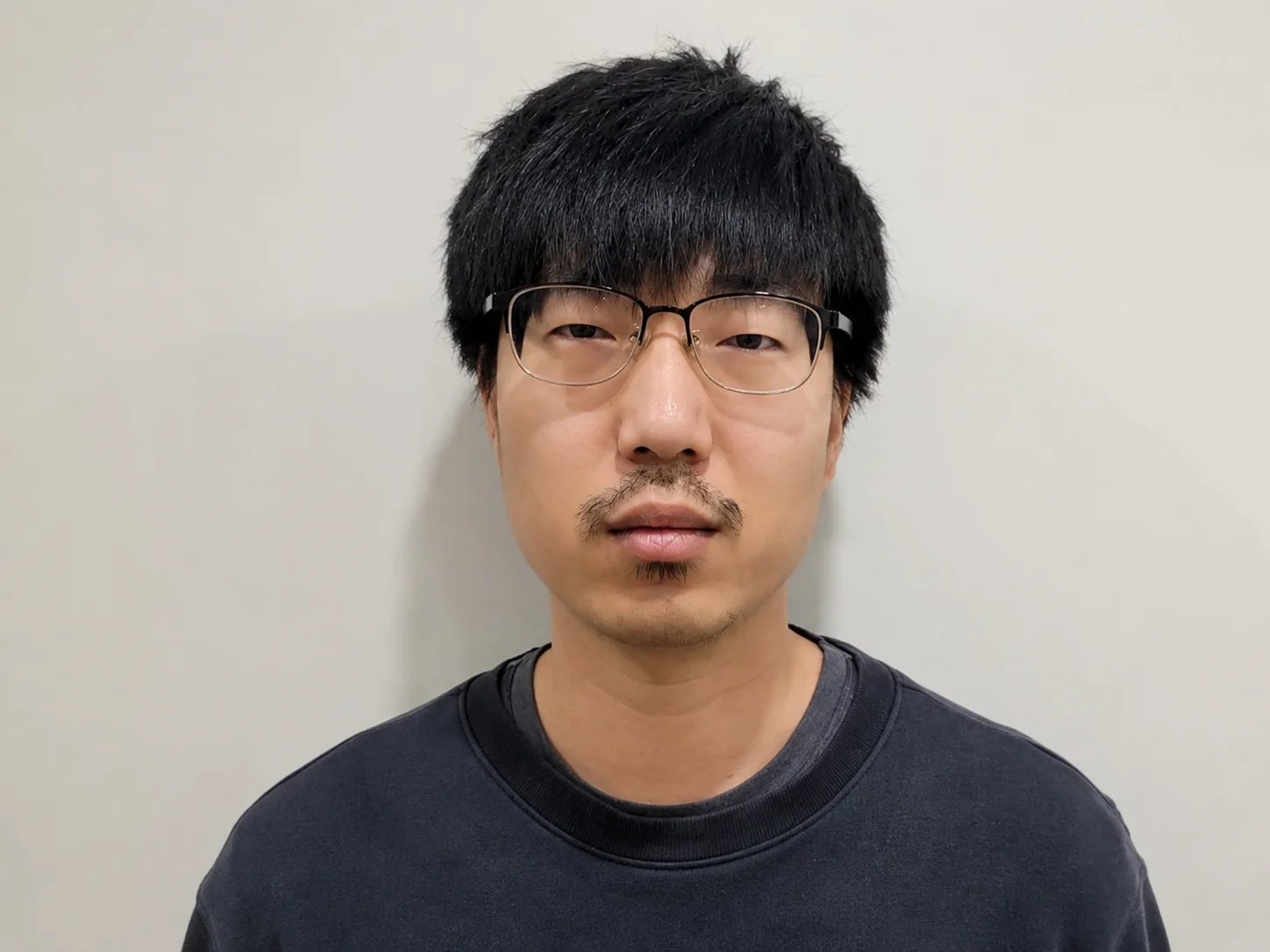
In Korea, many criminals' faces are being made public — for the public's right to know. Most of them committed heinous murders, and today's subject is no exception. Remember: in Korea, commit a random attack, and your face will be made public to the world. But there was something peculiar about this man.
On March 2, 2025, at 11:56 p.m., a frantic call came into the Chungnam Police Station: "My daughter went out for a walk and hasn't come back. I checked everywhere. I can't find her anywhere." Missing was forty-one-year-old Ms. Jeong, living in Seocheon County, a quiet, sparsely populated region — well-lit near the town center, but swallowed by deep, empty darkness once you reached the outskirts, with fields, mountain roads, and streetlights spaced far apart. That night, a fierce rainstorm hit, plunging the entire village into near-total blackness.
Found Under a Pile of Blankets
Police, sensing urgency, immediately searched the trail Ms. Jeong frequented, combing the area through pouring rain with no results. Then, three hours after she went missing, at 3:45 a.m., an officer's flashlight swept an empty lot in Sagok village and stopped on a pile of old, dirty blankets that seemed to conceal something underneath. Pulling back the edge, he found Ms. Jeong — dead, and barely recognizable. She had over a hundred stab wounds, the vast majority concentrated on her face and neck.
The autopsy revealed a devastating detail: she died of shock from blood loss, and based on the amount lost, it took at least an hour for her to succumb. She had lain in that dark, empty lot for over an hour, dying slowly while her cries were likely drowned out by the storm.
No Connection to Anyone

Police focused on two details from the autopsy: the concentrated facial attack and the sheer number of wounds pointed to an explosion of rage, suggesting a personal grudge. But investigating everyone close to Ms. Jeong turned up nothing — twenty years in her profession, well-liked by colleagues, close with family, no debts, no complicated relationships. There was no one with any reason to want her dead. Her evening walk was simply her routine, a way to unwind after work, and that night she'd left home dressed casually as always.
With the investigation stalled on personal motive, police shifted to reconstructing her final movements, appealing for witnesses near the scene, close to a normally busy four-lane road — but the storm had emptied the streets of both people and cars. The only remaining lead was security footage, and investigators worked through the night reviewing every nearby camera.
A Man Circling With No Destination
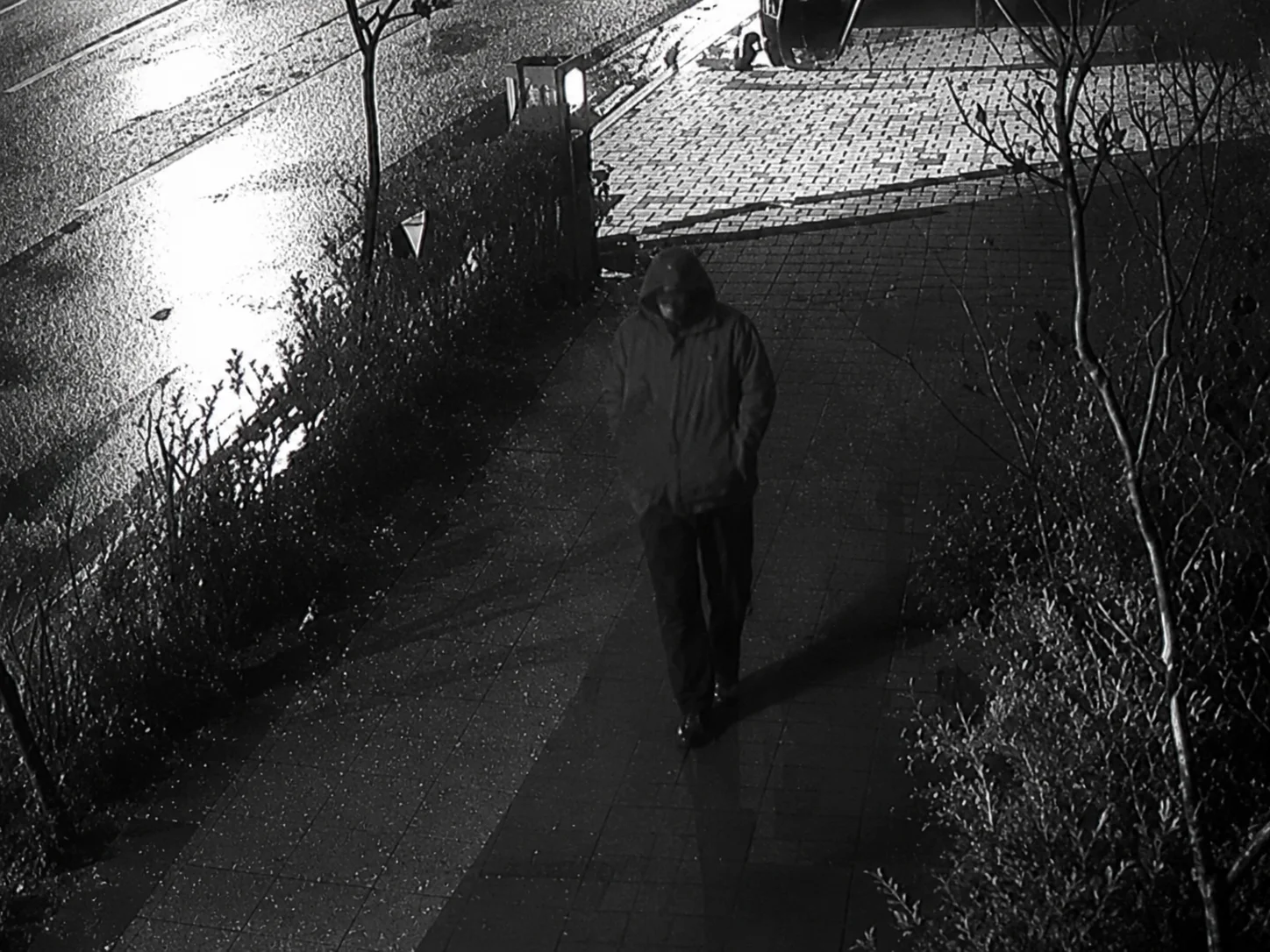
At 9:45 p.m. the night of the crime, footage showed Ms. Jeong crossing the street with her umbrella when a man approached from the opposite direction. They appeared to simply pass each other — until he suddenly turned his head and stared at her back for a long moment as she walked away. Both left the frame, but ten minutes later, on the same road, her umbrella turned up abandoned on the ground, untouched until police arrived. Something had happened in that ten-minute gap, in a blind spot off camera.
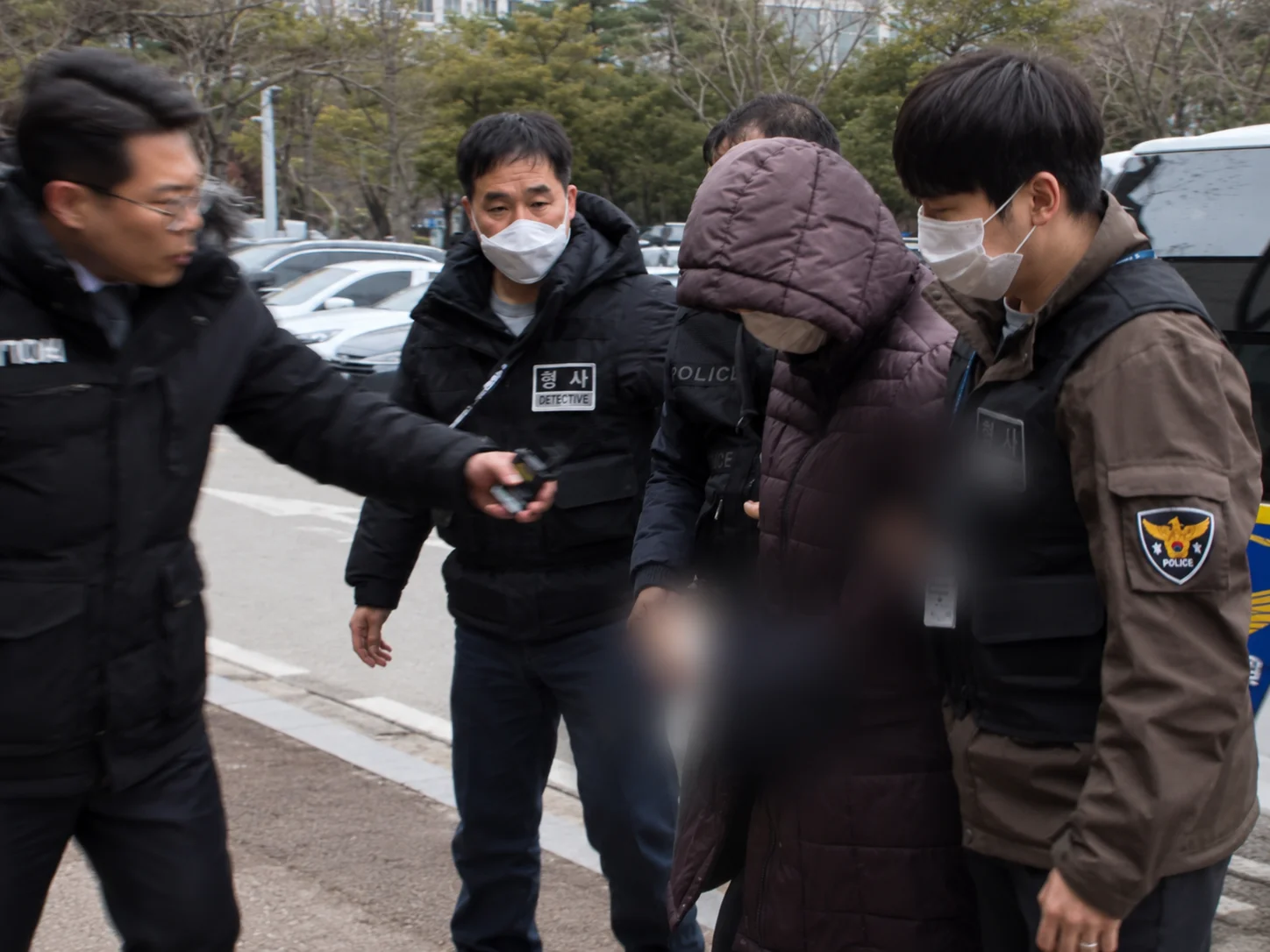
Tracing the man's movements through other cameras revealed a disturbing pattern. Around 7:50 p.m., two hours before the attack, he'd loitered near the scene for over an hour with no apparent destination, circling aimlessly. At 9:20 p.m., he appeared to start following a woman before abruptly turning back to resume prowling — behavior that looked, unmistakably, like deliberate victim selection. Recognizing the danger of a random attacker who could strike again at any time, the task force mobilized every city camera to track him and, by 10 a.m. on March 3 — just six hours after Ms. Jeong's body was found — raided his home and arrested thirty-four-year-old Ji-hyun Lee on suspicion of murder. He surrendered calmly, without resistance.
Rage With Nowhere to Go
His personal records revealed something unexpected: a Level 3 intellectual disability, with an IQ of sixty-nine. For twelve years, he'd worked as an assistant at a local community service center, handling simple filing and Excel tasks, quiet and never causing trouble. Nothing about his behavior that day — an ordinary evening with his father — suggested anything was wrong before he abruptly snapped.
When shown the security footage and asked what he was doing, Lee confessed immediately: "I killed her. I'll tell you all." It began in November 2024 with a message on Facebook: "Guaranteed high returns, 100 percent. Not investing in Bitcoin yet? We'll help." Amid the era's crypto frenzy, the offer felt irresistible. He drained his savings, then maxed out loans to invest more, watching a convincing fake trading platform show his returns skyrocketing in real time — money and coins that never actually existed. By January 2025, reality caught up: his withdrawal attempts failed completely, and his phone notes captured his spiral — "I'll wait 'til tomorrow, but what if it doesn't? I'll kill everyone. I want to die. My life is over now." The night before the murder, his notes had turned explicit: "I'm killing someone today. I'll curse the bastards who made me a killer for the rest of my life." His rage was aimed at scammers he couldn't identify or reach — so, with nowhere to go, it spread outward toward the world at large.
Two Hours of Hunting
On March 2, the day of the murder, a text arrived: "Your loan application has been denied." With his last hope gone, Lee lost control entirely, consumed by resentment and old memories of childhood scorn and discrimination. He decided, in that moment, that he would kill someone weaker than himself — anyone. He bought a five-inch paring knife and gloves to avoid fingerprints, then spent roughly two hours prowling the neighborhood, deliberately passing over larger men who might fight back and searching specifically for a small woman alone. Ms. Jeong appeared, matching exactly what he was looking for, and he followed her quietly for about ten minutes until they reached a deserted street.
His first strike failed against her heavy coat. She screamed and tried to run, but he dragged her into the vacant lot, pinned her down, and attacked her neck with such force the blade snapped — so he wrapped the broken piece in a glove and kept attacking. She fought desperately, but no one was near enough to hear her in the empty, rain-soaked lot. After she collapsed, Lee didn't leave; he stood watching for a full hour as she died. Afterward, aided by the storm that had washed away blood and drowned her screams, he covered her body with a discarded blanket, disposed of her phone in a sewer, scattered the murder weapon, and walked away.
Final Thoughts
Lee's identity was released to the public quickly under Korea's "Mugshot Disclosure Law," enacted in January 2024, which requires the crime to be exceptionally brutal, the evidence strong enough to identify the culprit pre-conviction, and the suspect at least nineteen years old — all satisfied by a premeditated, dozens-of-stab-wounds murder of a stranger. At trial in July 2025, Lee showed no remorse, instead attempting to claim diminished capacity by presenting himself as pitiable — citing low intelligence, a limp, a speech impediment, and mental illness, seeking sympathy while ignoring his victim entirely. Prosecutors confirmed he had no diagnosed mental illness beyond the intellectual disability, and experts stressed there is no established link between intelligence and this kind of premeditated random violence. The most damning evidence was his own planning — purchasing a weapon and gloves specifically to avoid fingerprints, then spending two hours deliberately selecting a target too small to fight back.
The court sentenced him to life in prison, upheld on appeal. Under Korean sentencing norms, parole eligibility for life sentences generally requires at minimum twenty years of good behavior, though offenders convicted of random violent attacks are frequently excluded from parole consideration altogether or served closer to twenty-five to thirty years. A scam ruined Lee's life — but he turned that rage on someone who had nothing to do with it, and in doing so, stopped being anyone's victim and became solely responsible for what he did. What makes a random attack like this so unsettling is precisely that: the victim could be anyone, in the wrong place at the wrong time, gone simply for taking her usual evening walk. For her family, time remains frozen at that one moment — the daughter who always came home smiling from her hour-long walk, and never did again.
Ji-hyun Lee lost his life savings to a crypto scam he could never confront, and stalked the streets for two hours specifically looking for a woman smaller than him to attack instead. What do you think happens in someone's mind when rage they can't direct at the person responsible spills onto a random stranger?
WE DOCUMENT.
YOU DECIDE.
Our interpretation is only one possible perspective.

