Episode 138:
She Planned Stepfather's Murder for 2 Years Then Wrote “FREEDOM” in His Blood
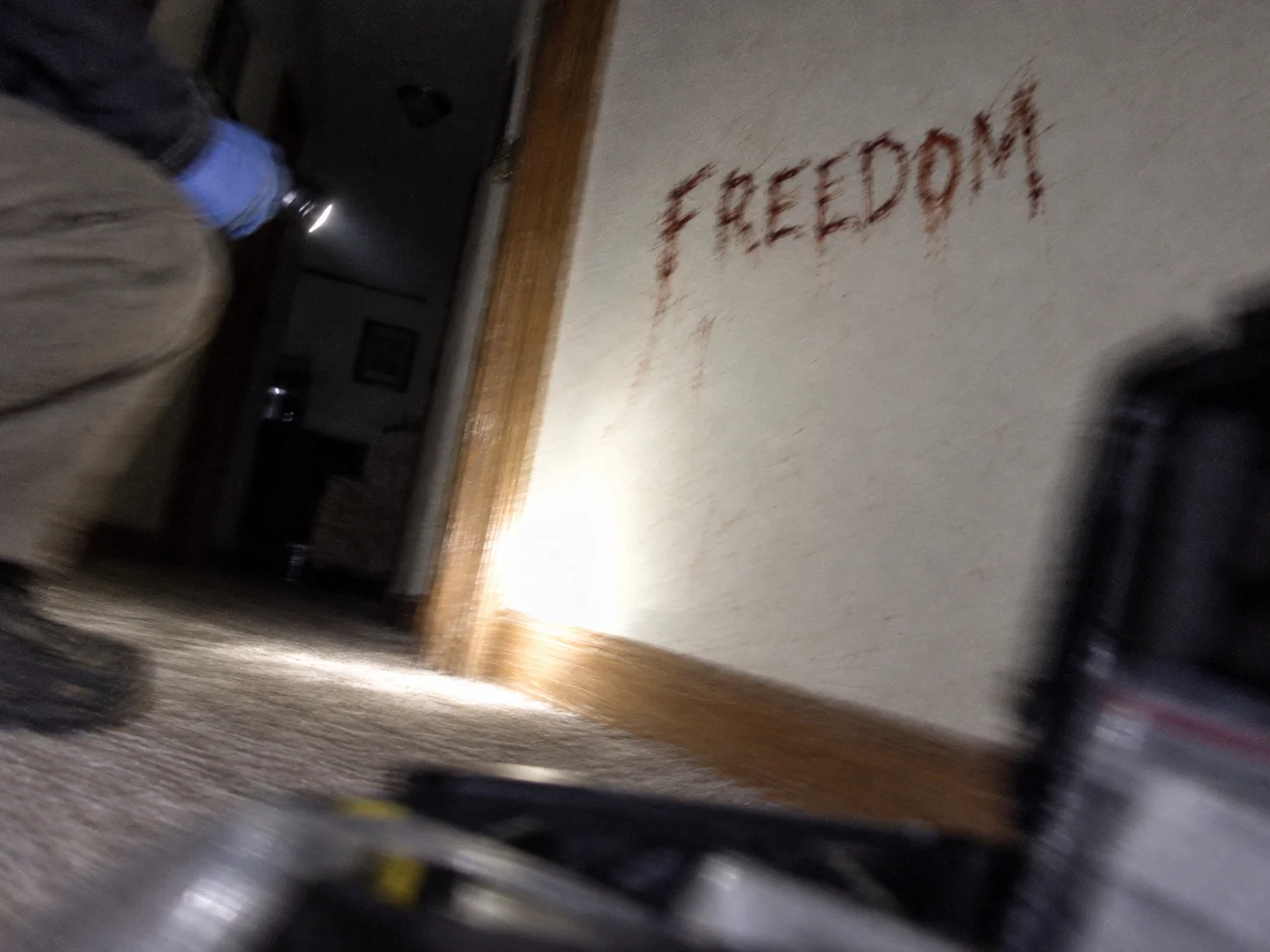
It was January 17, 2014, in Lawrence, Kansas. Jenny returned to an early shift at the pizza shop and found something wrong — the owner, 52-year-old Harold Sasko, hadn't been seen in three days. Sasko was famous for his work ethic, always the first one in at dawn, so when he still hadn't turned up by afternoon, Jenny reported him missing. The officer taking her report suddenly froze — another missing person report had just come in minutes earlier, for a 19-year-old named Sarah Gonzales-McLinn, who'd vanished from the exact same address three days before.
Police went to the house and found nobody answering the door, but through a window they saw someone collapsed on the floor. Inside, Sasko lay dead, his hands and feet bound backward with zip ties, his throat cut so deeply the floor was pooled with blood. A beer bottle on the table contained traces of sedative. And on the wall, written in Sasko's own blood, was a single word.
The Girl He Called His Daughter
Sarah and Sasko had lived together for two years, practically as family, with a 33-year age gap between them. To understand how a 52-year-old man and a 19-year-old girl ended up sharing a house, investigators had to look back five years. Sasko was a successful businessman who'd built his single pizza shop into three locations, and was known for helping kids in need. Sarah, meanwhile, had been essentially abandoned by both parents and was bouncing between part-time jobs to survive when she started working at his pizzeria at 14. Moved by her story, Sasko took her under his wing — driving her to school, buying her necessities, even taking her to church after he noticed self-harm scars on her wrist. Wary at first, Sarah slowly let her guard down, eventually calling him "Dad." In 2010, she was sexually assaulted by a stranger, cut off contact with Sasko, and spiraled into suicide attempts before her siblings helped her back into therapy. A year later, she returned to the pizzeria — and Sasko made her an offer: he'd pay her college tuition and let her live in his house if she became his stepdaughter. Grateful and hopeful for a real family, she moved in.
Two Years of Preparation
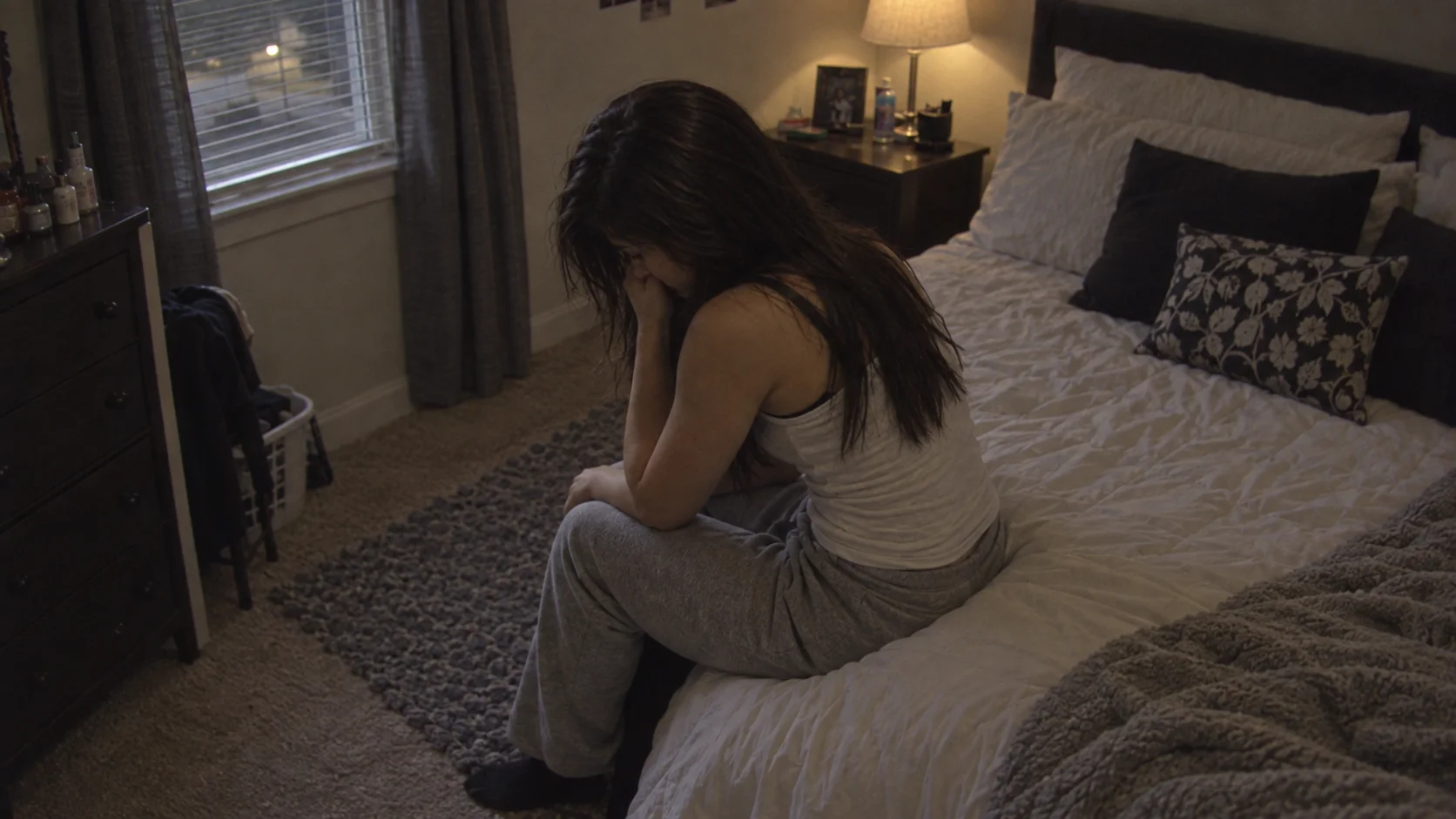
The arrangement fell apart almost immediately. Sasko pushed alcohol and drugs on Sarah to deepen her dependence, dug up her old trauma to make himself seem like her only safe haven, and cut her off from her family. Once she was fully dependent, he told her he was in love with her and demanded sex. When she refused, he abandoned the father act and presented her with a bill — roughly $20,000 for the rent, food, and medication he'd covered — threatening to ruin her credit unless she paid it back by sleeping with him. From then on, Sarah was summoned to his room nightly, her debt growing even as she turned to harder drugs to cope, while Sasko described her to friends as his "obedient little doll" and pressured her into cosmetic surgery to suit his tastes, adding thousands more to what she "owed" him. Unknown to anyone around them, Sarah spent the next two years secretly teaching herself anatomy online and practicing fatal stab wounds on a rabbit she'd bought for that purpose.
The Killing and the Chase

On January 14, 2014, Sasko asked Sarah to bring him a beer while he fixed a speaker — the opening she'd been waiting two years for. She crushed five sleeping pills into the beer, and once he collapsed, bound his hands and feet with zip ties and cut his throat with a hunting knife. After he died, she dipped her hands in his blood, wrote "freedom" on the wall, showered, took her dog, and drove off toward Florida, later telling police she just wanted to see the ocean. Investigators tracked Sasko's missing car leaving Kansas the day of the murder and traced a call Sarah made to her grandmother to a gas station near the Texas border; security footage there showed her calm and alone, nothing like a kidnapping victim, and police realized they had the story backward — Sarah wasn't a victim, she was the suspect. She was arrested without resistance on January 25 in Florida's Everglades National Park and immediately told police she'd been planning the murder for two years.
Final Thoughts
At her 2015 trial, Sarah's defense argued she suffered from dissociative identity disorder stemming from being raped at age four by a neighbor who threatened to kill her family if she told anyone, and raped again at 15 — trauma her lawyers said had split her into separate personalities, one of which committed the murder. The trial court rejected that defense and sentenced her to life without parole, effectively fifty years before eligibility. On appeal six years later, her original defense was found inadequate and her sentence was reduced to parole eligibility after twenty-five years, though she remains in prison serving a life sentence today. Advocacy groups continue to argue the case should be viewed as self-defense against years of sexual exploitation and are petitioning for her pardon, and the case remains under review amid the ongoing controversy over whether justice was truly served for either of them.
Sarah was 14 when Harold Sasko first won her trust, and by the time he demanded sex in exchange for the money he'd spent on her, he had already spent years making her financially and emotionally dependent on him. Do you think the twenty-five-year parole eligibility fits a case where the killer had also been groomed and exploited for years by her victim, or should her original life sentence have stood?
WE DOCUMENT.
YOU DECIDE.
Our interpretation is only one possible perspective.

