Episode 165:
48 Hours of Hell with Bullet in His Brain, Mistaken for Killer by Police Idiots
On Christmas Day 2006, Don Waller of Phoenix, Arizona, spent the morning calling his son. Ryan, 18, and his girlfriend, 21-year-old Heather Quan, were due for Christmas dinner. They did not come, and Ryan did not answer. It was not like him to break a promise, so his parents drove to the house where he had been renting a room for about a month. No one answered the door, and the garage was shut. It was someone else's house, so they did not break in.
At 7:50 p.m. Don called the police and asked for a welfare check. An adult who lived on his own and had been out of touch for a few hours did not count as an emergency. A patrol car arrived at midnight, four hours after the call.
The Welfare Check
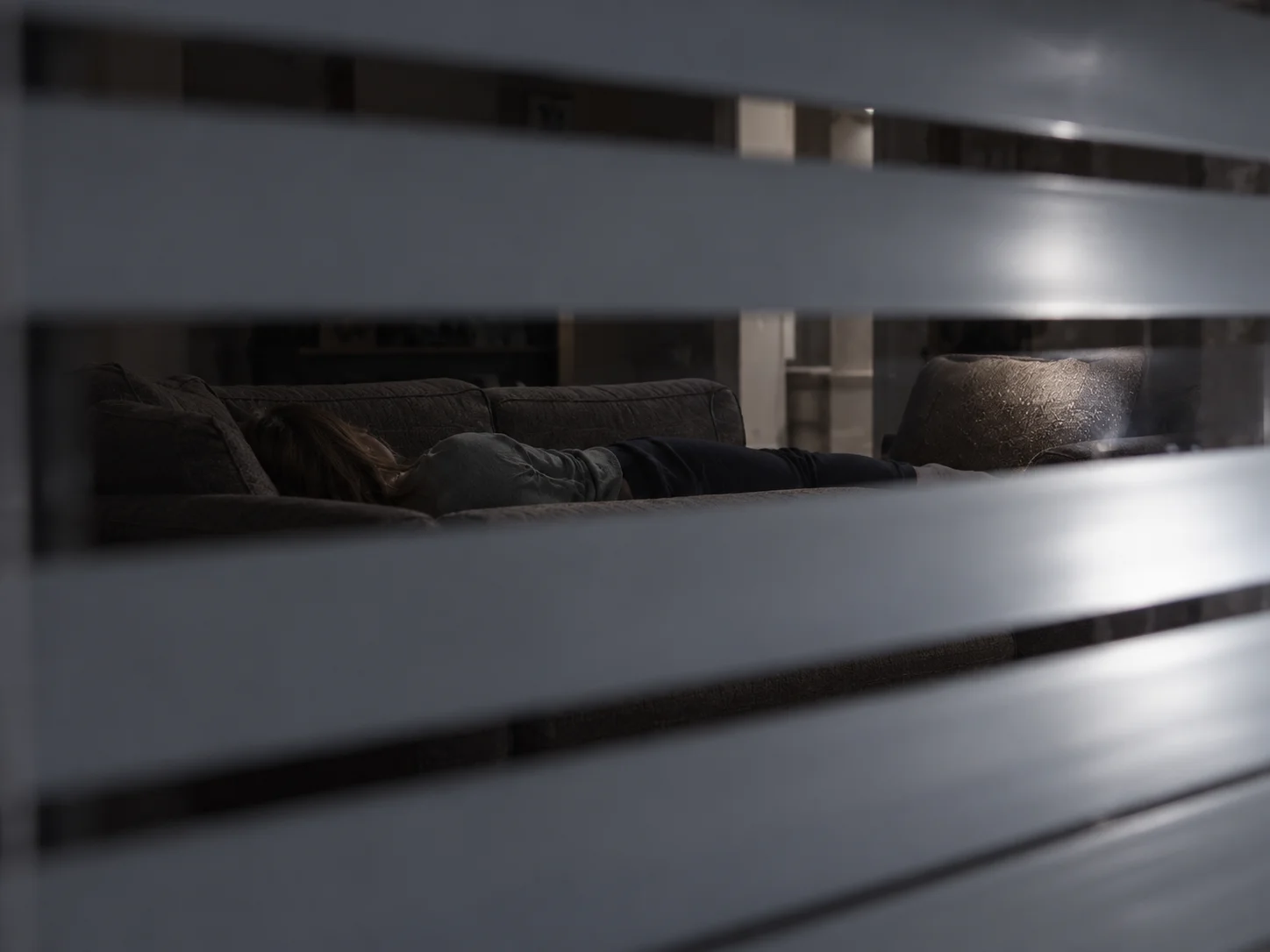
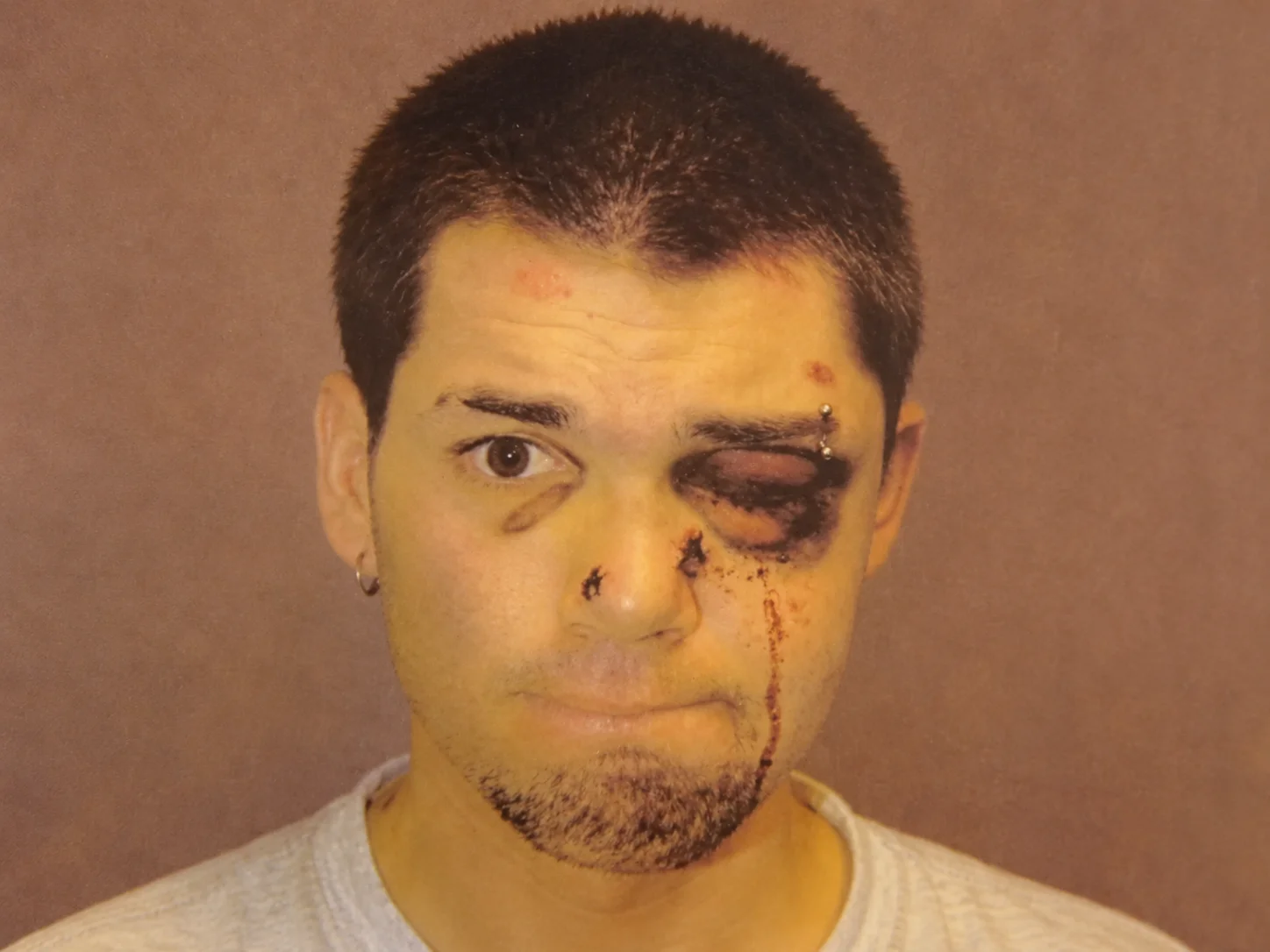
The officers knocked and looked through the windows. A few lights were on, but nothing moved. Through a gap in the blinds a flashlight picked out a figure lying motionless on the living room sofa, and an officer radioed in what looked like a body. They did not go in. Because it was a rental property, they taped off the house and waited for a warrant, while Don stood outside the tape with no idea who was on the sofa. The warrant came an hour later. As officers prepared to enter, the lock turned from the inside and the door opened. Ryan stood there, dazed. His left eye was black and swollen shut, and there was a wound on his nose as though a piece had been gouged out. He showed no surprise at the police on his doorstep. Inside, officers found Heather on the sofa. She had been shot in the head and was dead.
The Interrogation
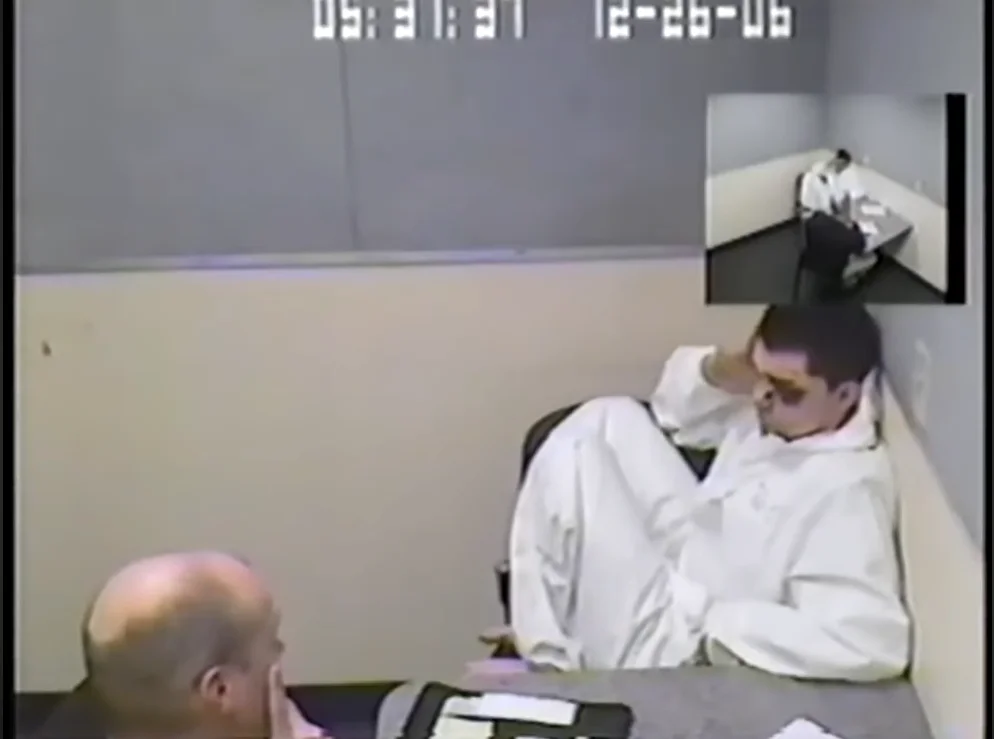
To the officers, a man with a battered face walking out of a house with a body inside was the killer. They ordered him to the ground. When he kept asking what was happening, an officer tackled him and pressed a knee into his face, breaking his jaw. Asked about Heather, he said she was sleeping. Officers decided his facial wounds were scratches from her fighting for her life. Don was held back and told his son was fine apart from some bruises. Ryan sat handcuffed in a patrol car for four hours while police searched the house and photographed his injuries. At 5 a.m. he was taken to an interrogation room, his clothes taken as evidence. His answers made little sense. He said he was in eighth grade. He gave Heather the wrong surname and said she was sixteen or seventeen. He named friends who had not been there. Then a different story surfaced: his former roommate Richie and Richie's father had come to the house, first with a bow and arrow, he said, then with a handgun, and they had shot him in the eye. The detective told him that if he had been shot in the eye he would be dead. "I thought that's what was supposed to happen, too," Ryan said. Asked why he had not called 911, he said Heather was sleeping and he had wanted to sleep too. He rested his forehead on the table and repeated that he wanted to go home. After about an hour, the detective looked closely at his face and saw two small holes, one on each side of his nose.
Richie and His Father
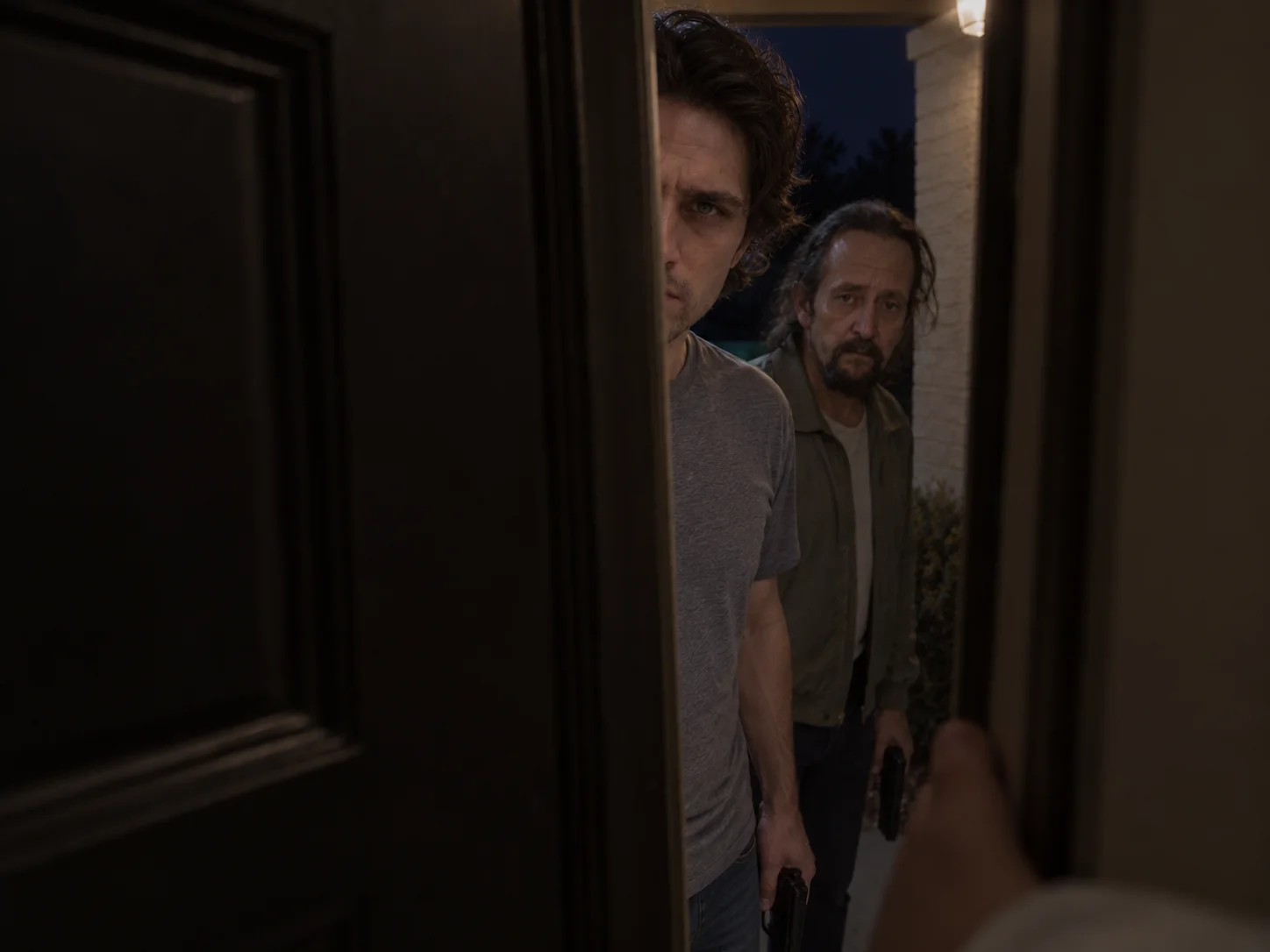
Paramedics confirmed gunshot wounds, and at 7 a.m. the hospital called Don to say his son was in intensive care with a bullet in his head. One bullet had gone through his nose and into his left eye, then on into his brain, driving bone fragments deeper. A second had struck above his ear hard enough to break off a piece of skull. Bacteria from the nose had followed the bullet's path into the brain, and after more than ten hours without treatment, his brain was infected and swelling. Surgeons had to bring the infection under control with antibiotics for two days before they could operate. They removed part of his brain, and he lost the sight in his left eye. Ryan never changed his account of who had shot him. Richie had moved out after the two fell out, and a rumor that Ryan had once pistol-whipped him had humiliated him. Police arrested Richie, and then his mother, Sheryl, came forward. On the night in question, she said, her husband, Larry, and Richie had gone out together, and when they came back Larry told her he had killed two people and asked her to get rid of the .22-caliber ammunition in the house. On December 23, two days before Christmas, the two had gone to the house on the pretext of collecting Richie's belongings. Heather, a student at Arizona State University preparing for law school, had fallen asleep on the sofa after a movie. Ryan answered the door. When the men tried to force their way in, he threw his weight against it, and Richie pushed a handgun through the gap and shot him in the face, then shot him again as he lay on the floor. They stepped over him, shot Heather in her sleep, and left with a gun and a computer.
Final Thoughts
In June 2008, Richie was convicted of murder and sentenced to life without parole. Before Larry's trial, Sheryl invoked Arizona's spousal privilege and refused to testify about what her husband had told her. Without her testimony the case against him was dropped. Heather's family went to the state legislature, and in 2009 Arizona passed what became known as Heather's Law, which bars a spouse from refusing to testify after voluntarily giving a statement to police. Larry was tried again and, in January 2013, convicted of murder and sentenced to life without parole. Ryan left the hospital after 35 days with severe memory damage, difficulty finding words, and seizures; he had wanted to make a living playing guitar. His family sued the police over the hours he went without medical care. The police relied on an expert who said the delay had not significantly worsened his brain damage, and after three and a half years the suit was dismissed weeks before trial. No officer is known to have been charged. In January 2016, Ryan had a seizure, fell, and suffered a fatal head injury. He was 27. Years later, video of his interrogation spread online, showing him with a bullet in his brain, his forehead on the table, asking to go home.
Ryan Waller sat in a patrol car and then an interrogation room for about ten hours with a bullet in his brain, and no officer was charged. His family's lawsuit was dismissed before it reached a jury. Should police be held accountable when they fail to get medical help for someone they have mistaken for a suspect?
WE DOCUMENT.
YOU DECIDE.
Our interpretation is only one possible perspective.

