Episode 113:
The Nightmare AI Scam: Who Was Really on the Phone for 4 Weeks?
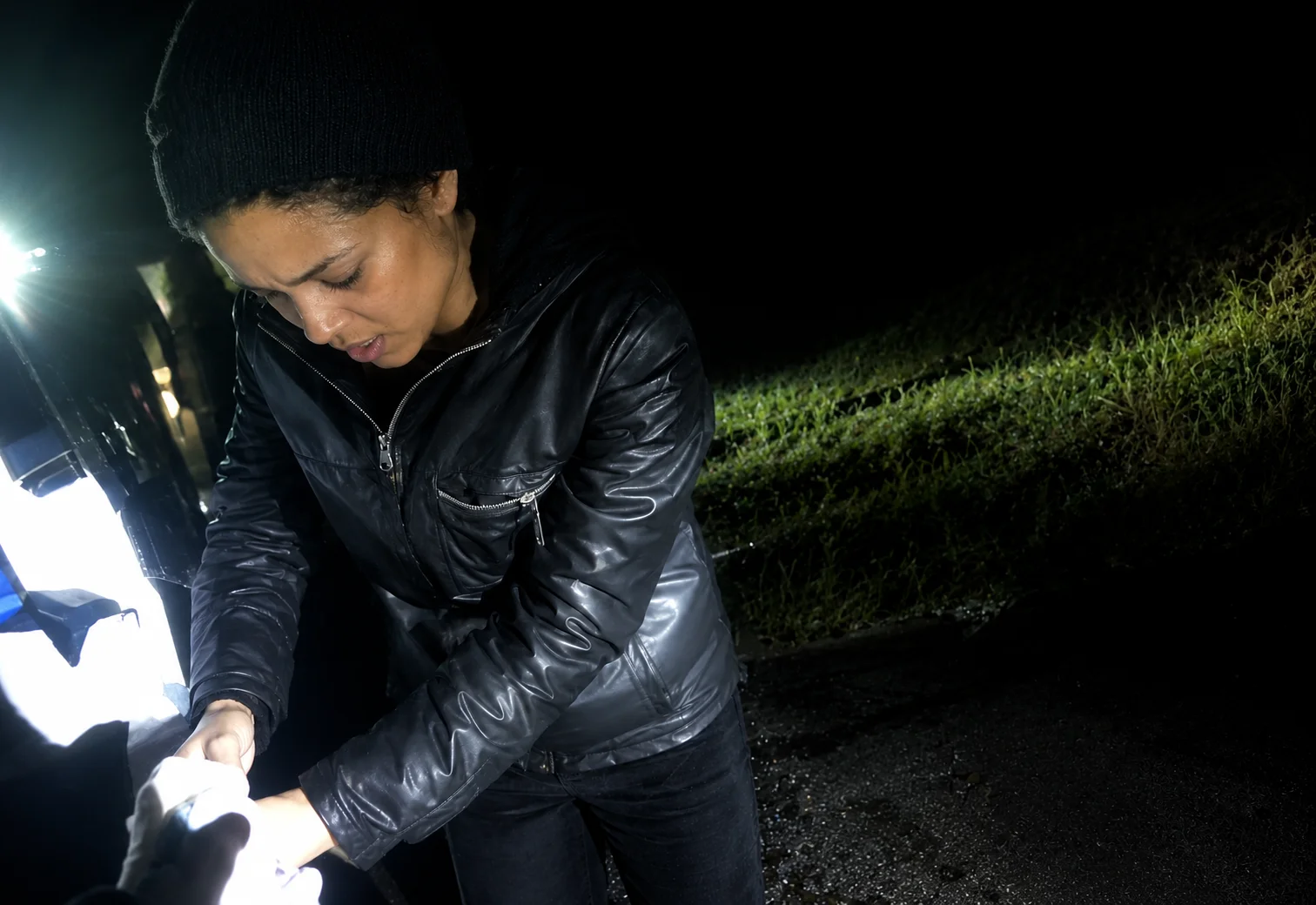
A woman stands in an alley, waiting. Someone hands her a used chainsaw she'd bought online. She's also picked up industrial-strength bleach. With both in hand, she heads for a cemetery. In the age of AI, crime is evolving too — and no one imagined a crime quite like this one was even possible. You could be a victim of it too, without ever knowing.
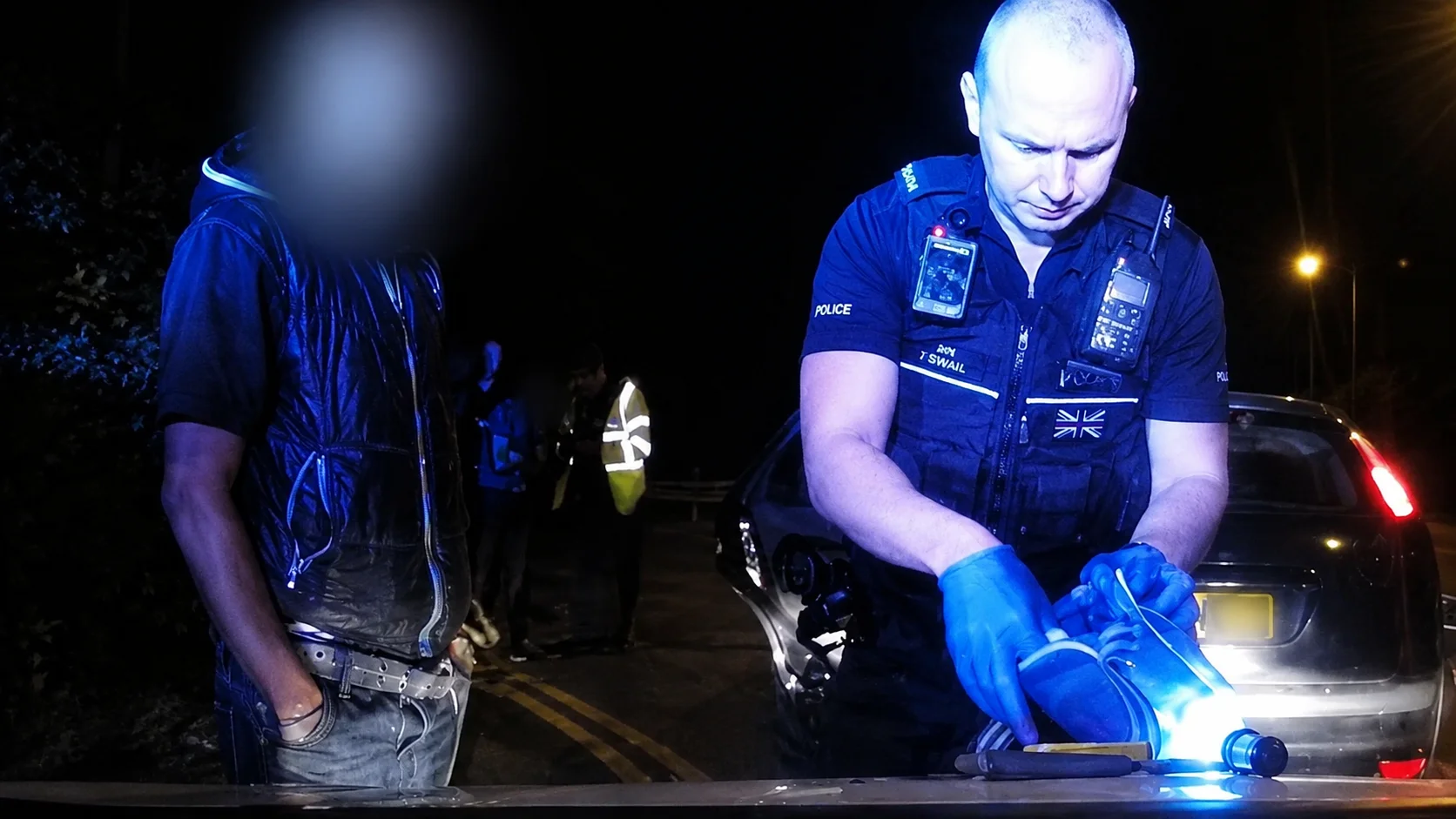
In 2020, COVID-19 forced the world into lockdown. In Coleford, Gloucestershire — a quiet area of forests and farmland — the streets were so empty it was rare to see a single car. Then, at 11 p.m. on May 12, 2020, a car came tearing down the road, driving erratically. A resident, suspecting a drunk driver, called it in. When police ran the plates, the car turned out to be registered more than 130 kilometers away, in Wolverhampton.
Two Suitcases in the Back Seat
Officers pulled the driver over. He wasn't drunk, just anxious, claiming he was waiting for a friend — nothing suspicious turned up in the car, so they issued a lockdown-violation ticket and left. An hour later, the same car hadn't moved, but now a young woman sat inside it with two large suitcases at her feet. Assuming car trouble, police offered help — but the woman looked visibly panicked, and when they tried to check the bags, she grabbed them to her chest and bolted from the car. Officers subdued her and opened the first bag: a burned female torso wrapped in plastic. The second bag held five more dismembered body parts.
"Oh, sorry. I just didn't want you to see this," she said calmly — before flipping into denial, insisting a friend had asked her to hold the bags and she'd had no idea what was inside. Neither her story nor her demeanor held together. She and the driver, thirty-eight-year-old Mahesh Sorathiya, were arrested on the spot. The woman was twenty-eight-year-old Gareeca Gordon.
Twelve Hours, Left to Die
The autopsy revealed a uniquely horrific timeline. The victim had been stabbed four times in the chest and abdomen — wounds that, on their own, weren't fatal, and would have been survivable with hospital treatment. Instead, she'd been left alone for twelve full hours, bleeding out in agony as her life slowly faded. Only afterward was her body dismembered into six pieces. The medical examiner placed the time of death at roughly a month before discovery.
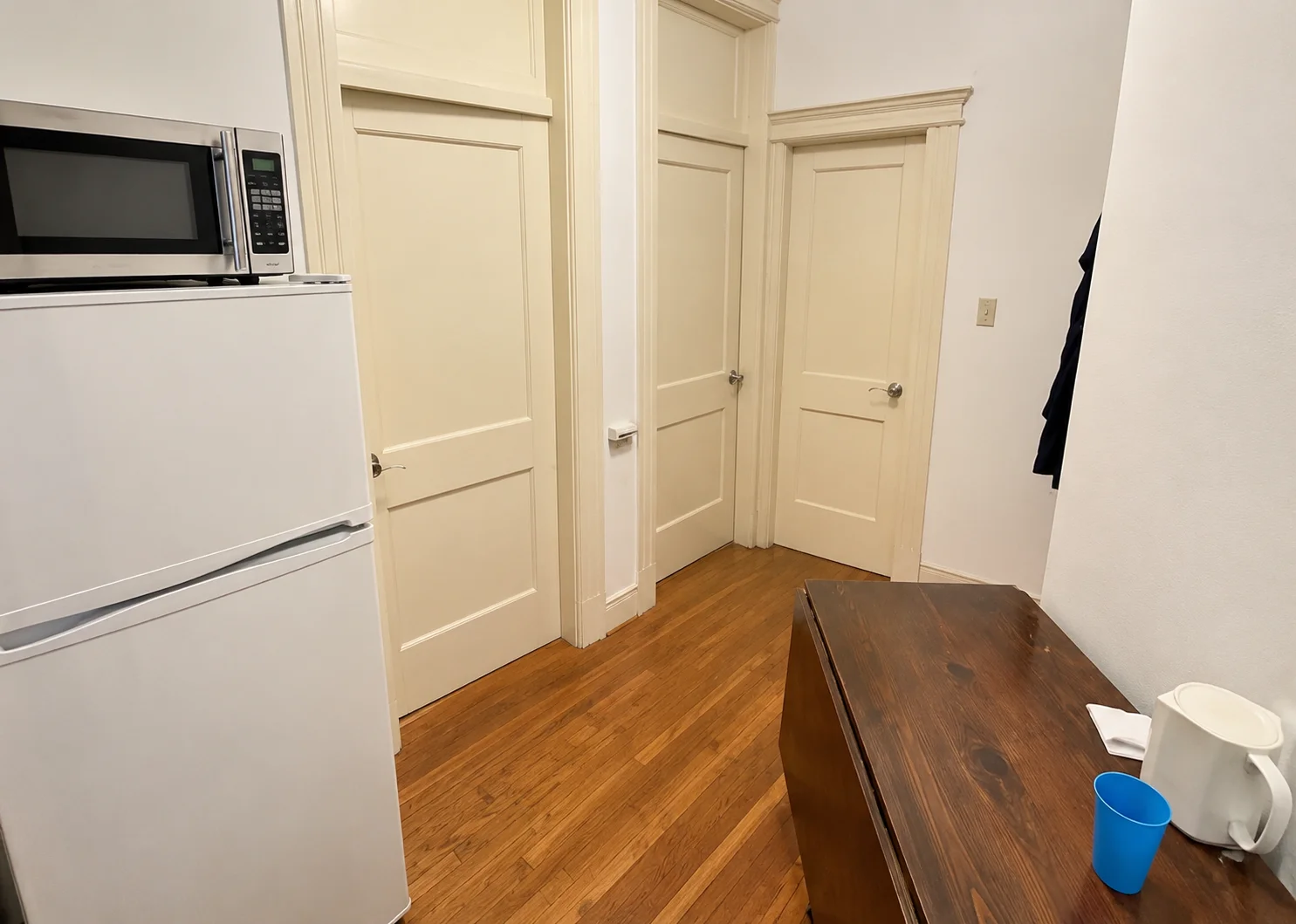
DNA identified her as twenty-eight-year-old Phoenix Netts, granddaughter of a photographer famous enough to have shot The Beatles and The Rolling Stones. Phoenix had shown artistic talent from a young age, along with a gift for drama and horseback riding — until she was sexually assaulted by a drug dealer, a trauma that sent her into depression, drug dependency, and eventually forced her out of school. Determined to rebuild her life with her family's support, she'd checked into a women's shelter in Lozells, Birmingham — cramped, poorly partitioned, but somewhere she was slowly recovering, planning to return to her parents in London once lockdown lifted.
Voicemails From a Dead Woman
When police informed Phoenix's family of her death, the response stunned them: "My daughter died a month ago? We were just talking to her a few days ago. She kept sending us voicemails, said she was doing great." The family explained they'd briefly lost phone contact with Phoenix, but had been receiving cheerful texts, emails, and voicemails reassuring them she was recovering and would be home soon — messages that continued right up until days earlier. For a moment, investigators wondered if the identification itself was wrong.
It wasn't. When police searched Phoenix's shelter room, every piece of furniture, the bed, the desk — even the carpet — had been torn out and removed, with not a single personal item left behind. A luminol test lit the room up: someone had scrubbed the space with bleach after ripping up the blood-soaked carpet. Since the shelter strictly barred men, the killer had to be a woman living there — and the room next door, room four, belonged to Gareeca Gordon.
An Obsession That Turned Violent
A search of Gareeca's room turned up a blood-stained circular saw, confirmed by DNA to be Phoenix's blood — purchased online for about $65 on April 16, the same day investigators now believed the murder occurred. Gareeca had also been the one to request Phoenix's room be cleared out. She denied everything.
Gareeca had immigrated to London from Jamaica at age seven into a financially struggling household, and as a teenager was sexually exploited by a boyfriend who forced her to sell her body — trauma that left her with an intense fear of rejection, a tendency toward dangerously obsessive attachments, and a personality disorder her own mother once called "a ticking time bomb." She arrived at the Lozells shelter in October 2019 and met Phoenix in the room next door. Her interest in Phoenix quickly warped into open, unwanted sexual advances. Phoenix, straight and unsettled, rejected her and tried to create distance — but trapped in the same building with nowhere to go, she grew increasingly afraid. A week before the murder, Phoenix texted a friend: "There's a woman here who keeps asking me for sex. I'm so scared. I think I gotta go back to London quickly." Days before the attack, Gareeca, drunk, called a mental health line and confessed: "My body burns up every time I see her... I'm burning with lust."
An Attack No One Answered
In the early hours of April 16, Gareeca crept into Phoenix's room, overpowered her, and attempted to force herself on her sexually. Phoenix fought back — kicking, biting, screaming, pounding the walls for help. No one came. Other residents had grown used to hearing the two argue, assuming this was another routine fight, and the shelter itself was severely understaffed due to the pandemic, with supervision at its lowest point. When Phoenix wouldn't stop resisting, Gareeca pulled a knife she'd brought from her own room and stabbed her four times in the chest and abdomen.
Phoenix, bleeding and conscious, begged for an ambulance. Gareeca simply watched, already calculating how to cover it up — searching online for two hours for terms like "internal bleeding," "stab wound recovery," "how are murderers caught," "how to burn a body," and "AI voice change." Twelve hours later, Phoenix died from blood loss, with Gareeca remaining beside the body through the night — investigators have speculated, based on her stated compulsions, that she may have engaged in sexual acts with the corpse, though this was never confirmed. She then dismembered the body with the circular saw into six pieces, packed them into two suitcases, tore out the bloodied carpet, scrubbed the room with bleach, and had a disposal company haul away the furniture and carpet the very next day.
Final Thoughts
With the city emptied by lockdown, Gareeca hid the suitcases in a Birmingham cemetery and turned to impersonating Phoenix to stall her family — gathering audio from Phoenix's own phone, videos, and recorded calls to train an AI voice model that perfectly mimicked her tone. For four weeks, that cloned voice sent cheerful voicemails and reassurances to Phoenix's parents, convincing them their daughter was alive and recovering. When it came time to destroy the remains for good, Gareeca hired a driver, Mahesh Sorathiya, to help transport the bags to a remote quarry — but the body parts wouldn't burn as expected, forcing her to repack them just as Mahesh's reckless driving nearby drew police attention, collapsing four weeks of meticulous planning in an instant.
Gareeca confessed and was sentenced to life in prison with no possibility of parole for twenty-three years and six months, the court condemning both her cold detachment while watching Phoenix die and her use of AI to deceive a grieving family for weeks afterward. Mahesh, an ordinary shop owner and father of two who'd been paid for what he believed was a simple moving job, was found credible in his claim that he never knew what was in the bags and was acquitted. What makes this case linger isn't the dismemberment or even the murder itself — it's that an AI-cloned voice fooled a mother and father into believing their daughter was still alive, weeks after she was already gone. As the technology gets easier to access, the question becomes harder to shake: how much longer can anyone really trust the voice on the other end of the line?
For four weeks, Phoenix's own family believed they were talking to their living daughter because an AI-cloned voice sounded exactly like her. As voice-cloning technology gets easier to access, what safeguards do you think families or institutions actually need to catch something like this before it goes on for weeks?
WE DOCUMENT.
YOU DECIDE.
Our interpretation is only one possible perspective.

