Episode 112:
Netflix's 'Teach You a Lesson' Should Have Told: The Death of Park Ju-won
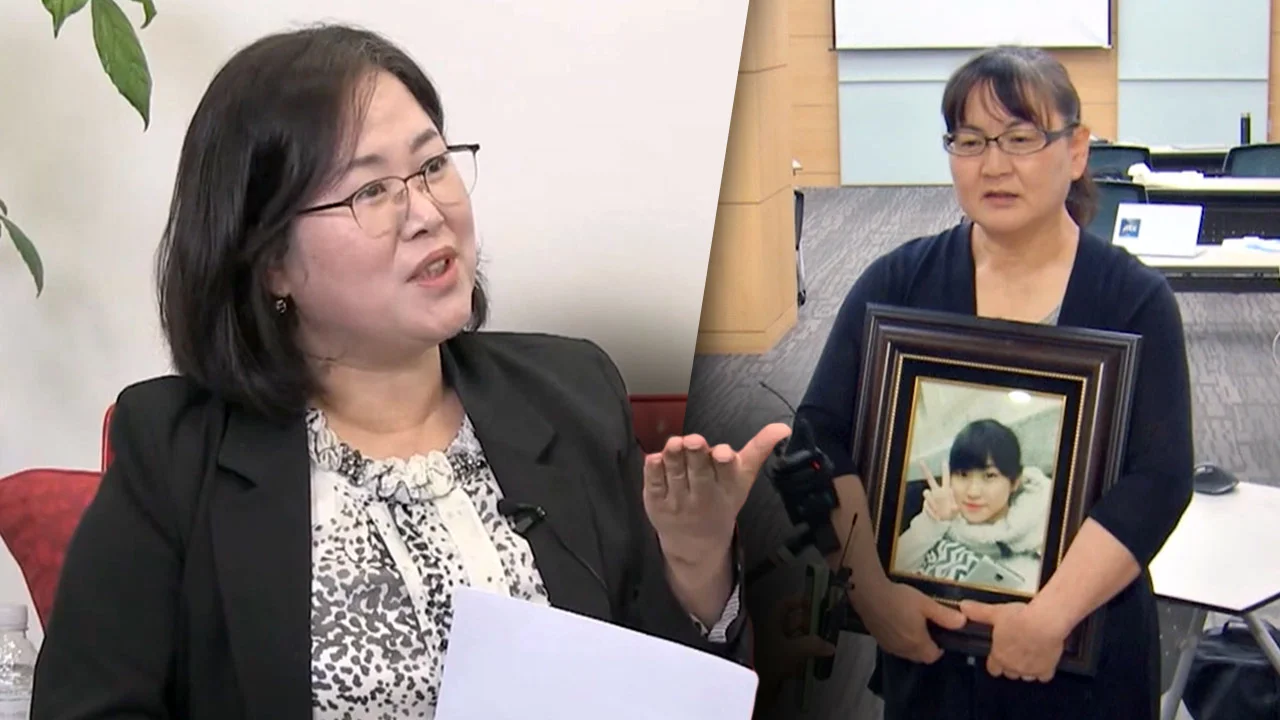
On May 18, 2015, a freshman named Juwon Park stood at the gates of Eunkwang Girls' High School in Gangnam, Seoul, waiting for her family after club activities. It was, up to that point, an ordinary day — dinner together, then a café, until Juwon, with a somber look, quietly told her parents, "I'm sorry. I think I want to drop out of school." Her mother hugged her. Her father didn't push for an explanation, only asking gently whether she planned to go to school the next day. Juwon couldn't answer.
That night, she borrowed her sister's earphones and went up to the rooftop on the sixth floor. She called a middle school friend and told her, quietly, that from the rooftop you could see almost all of Seoul — that it was why she kept coming up there. "I shouldn't be crying... I want to live so badly. The world is such a beautiful place to live in." Minutes later, she sent her friends a final text: "Please, come to my funeral." Her friend called Juwon's parents immediately. Her father rushed to the rooftop. He was too late.
An Argument Over Milk
The origin of this tragedy traced back to 2011, when Juwon was in sixth grade. Feeling unwell one morning, she told her class president she'd skip her school milk — a request the class president refused, insisting everyone had to drink it, sparking an argument that should have been forgotten within days. Instead, it became the excuse for sustained bullying: insults about Juwon appeared on utility poles, and her belongings kept disappearing only to turn up in the restroom. She told herself she just had to endure it until graduation, believing a new school would mean a fresh start.
It didn't. At her new middle school in Gangnam, she made friends quickly — until three months in, she lent her phone to a classmate, Sojin Lim, who used it to contact her boyfriend. When the boyfriend later began texting Juwon out of the blue, Sojin found out and turned it into a public campaign, posting attacks naming Juwon directly and recruiting five upperclassmen to help torment her. In one two-hour stretch, an anonymous group chat sent Juwon over 600 abusive messages — "You disgusting freak," "Just die already," "Let's chop off your head." She was isolated in gym class, splashed with water in the restroom, and pelted with eggs while classmates jeered.
"Just a Minor Fight Between Kids"
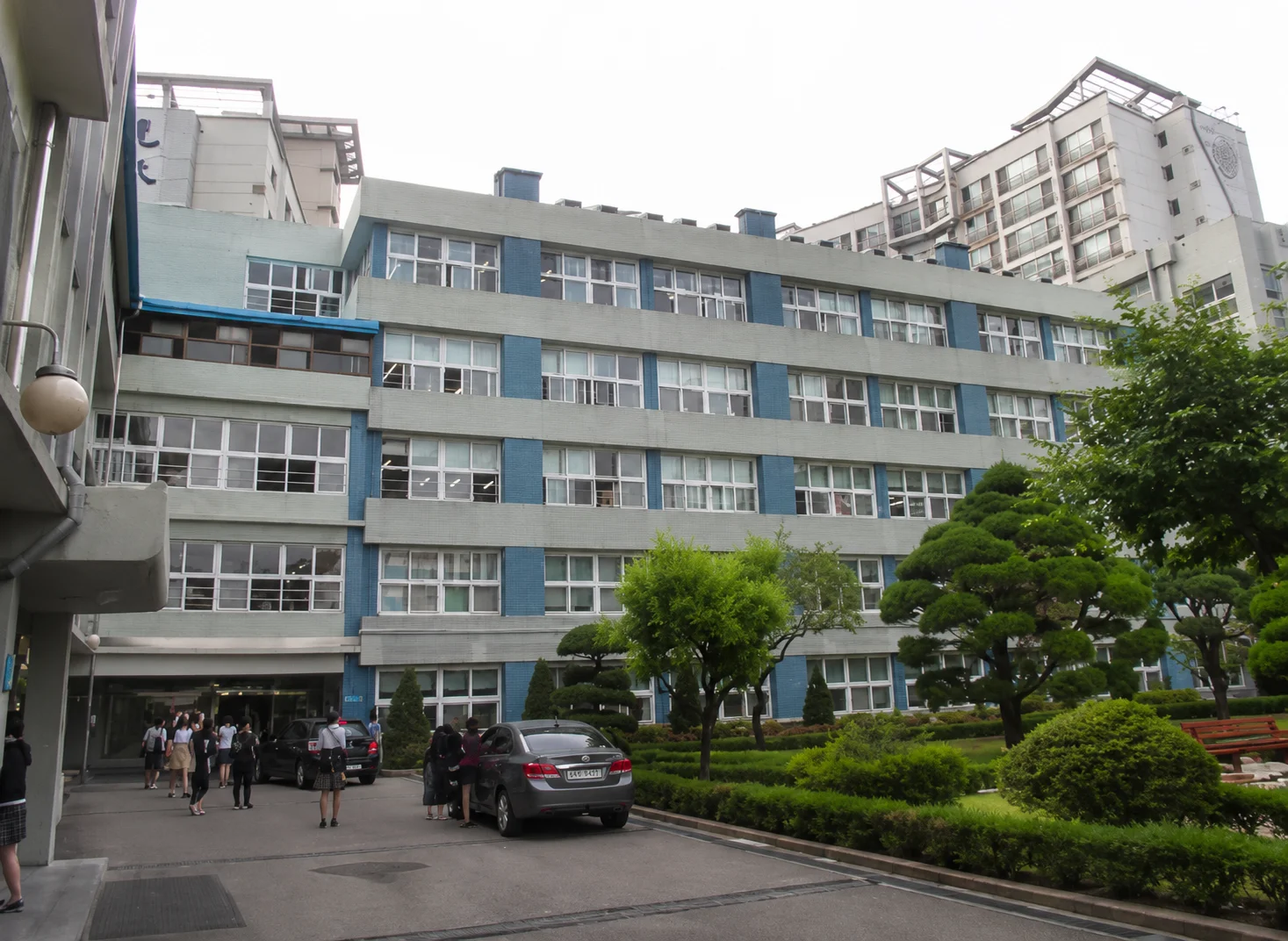
Juwon was vomiting from stress, experiencing hallucinations, and hiding behind her mother at the sight of anyone in her school's uniform. She reached out to her parents and the school counselor for help — but the school's response was almost nonexistent. Korean schools are required to convene a School Violence Committee to investigate and discipline bullying, but despite Juwon's repeated pleas, no hearing was ever held. The school dismissed it as "just a minor fight between kids" and forced Juwon into a face-to-face "reconciliation" with her bully that resolved nothing. By the end of the semester, she was in severe depression and missing school constantly — and when the school finally acted, it blamed Juwon herself, telling her she should transfer because of her "low self-esteem."
She transferred to a small rural school on Ganghwa Island, living in dorms for three years, and slowly recovered among new friends. But facing high school alone for three more years felt unbearable at sixteen, so she chose to return to Gangnam — deliberately picking Eunkwang Girls' High School specifically because almost none of her former classmates went there.
A Friendship That Turned Overnight
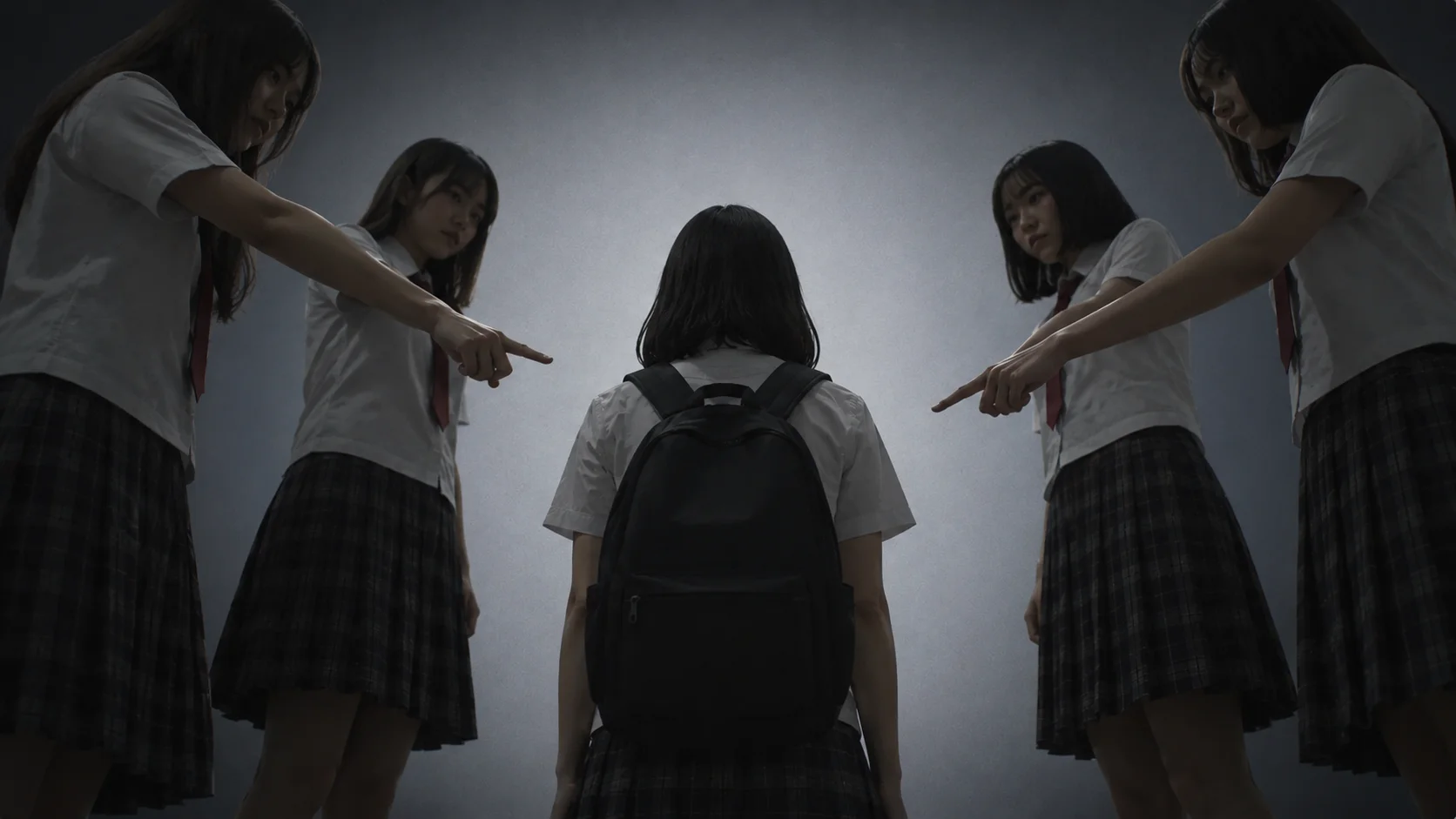
At first, it seemed to work. Juwon made friends quickly, growing especially close to a popular, wealthy classmate — referred to here as Suyeong Yoon — visiting her home often. It lasted a month. On April 21, Suyeong abruptly turned on her: "You've got some nerve pretending we're friends." The isolation started again immediately — insults, open avoidance, classmates ganging up on her until she could barely function, collapsing at home to cry for hours. Six days later, she ran into Sojin Lim, her middle school tormentor, near her home; Sojin cursed at her in passing. Juwon began to suspect the two knew each other and that her middle school bully might be behind the new round of torment — their tactics, isolating her from an entire social group at once, felt identical.
As a school trip approached, Juwon had no one to sit with on the bus — a small thing that, in high school, is anything but. She asked her teacher if seats could simply be assigned by student number; he told her not to avoid the problem and to "think it over more." She worked up the courage to hint to a former friend that she needed a seat partner. The reply: "Is it because everyone rejected you and you thought I'd be an easy option? Why should I worry about who you sit with? And I don't like you, either." As a last resort, she begged her teacher by text to assign seats by number, and he agreed — but on the morning of the trip, he was late, seats were already claimed, and it was too late to fix anything. Juwon faced exactly what she'd dreaded: sitting entirely alone.
The School's Response
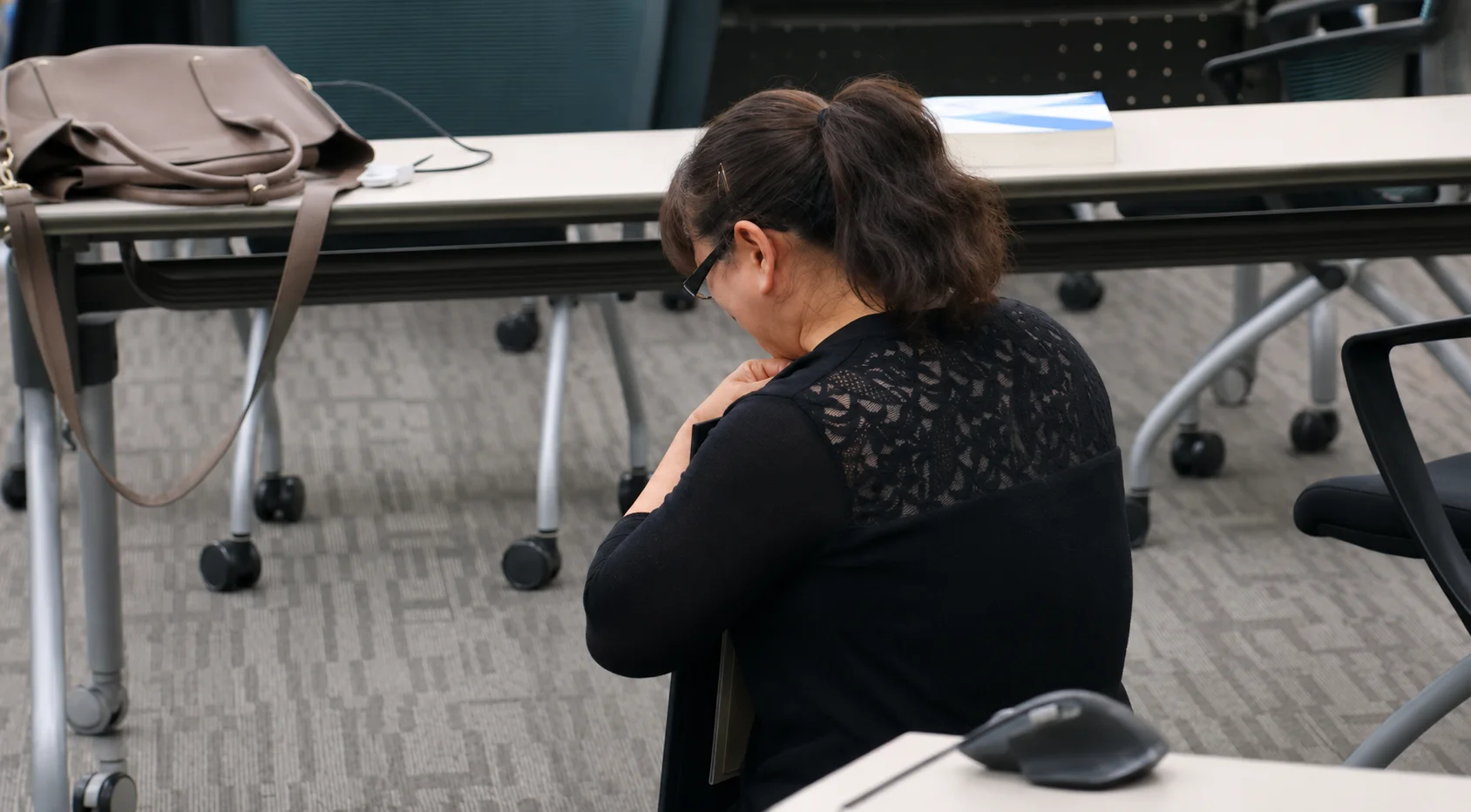
After the trip, Juwon stopped attending school entirely for a week. On May 18, she forced herself to return — but sitting in the classroom felt suffocating, the weight of years of powerlessness finally breaking her that night. Her father found her; she was rushed to the hospital but died on June 22 at seventeen.
Only after her death did the school hold a School Violence Committee — and even then, it worked to shift blame rather than accept it, insisting there hadn't been any bullying, only kids' relationships changing quickly, and suggesting to her grieving family that Juwon might simply have been "too sensitive." The school never announced her hospitalization to classmates, let alone her funeral, seemingly more concerned with protecting the students responsible than with acknowledging what had happened.
A Lawyer Who Vanished
Juwon's family filed a civil suit against twenty-four parties — the board of education, the school, the students responsible, and their parents — hiring attorney Kyung-ae Kwon to represent them. School violence cases are notoriously hard to prove without cameras or recorded evidence, and after a grueling six-year fight, the initial 2022 verdict found no direct causal link between the bullying and Juwon's death, holding only one of twenty-four defendants liable for about $360,000 — a ruling later overturned entirely when that defendant claimed they'd never been properly notified of the suit. Sojin's bullying was acknowledged by the court but went unpunished because she'd been a minor at the time.
The family appealed. Before a scheduled news broadcast about the case, they called Kwon for an update — and she confessed, visibly uncomfortable, that the appeal had already been dismissed, because she herself had failed to appear in court three separate times, and had hidden this from the family for five months. When confronted, her response was, "Even if the appeal had gone forward, we wouldn't have won anyway." She stalled, avoided the family, then vanished after promising in writing to pay $65,000 in installments — before cutting off contact, deleting her social media, and disappearing from the case entirely.
Final Thoughts
The family filed a Bar Association complaint and got Kwon's license suspended for a year, then sued her and her firm in 2023 seeking to restore their constitutional right to a trial — arguing that losing it wasn't their failure, but their lawyer's negligence. The court sidestepped that argument, ordering Kwon to pay only the $36,000 she'd already promised in writing. A new lawyer reviewing the case uncovered eleven separate critical errors Kwon had made, including excluding the accused bullies from the lawsuit entirely and failing to file any damages claim on behalf of Juwon herself — omissions serious enough to call her competence into question. The Bar Association still declined further discipline, citing lawyers' right to "professional judgment." Kwon regained her license in August 2025; two months later, an appeals court ordered her to pay roughly $47,000, upheld by Korea's Supreme Court.
On June 24, 2026, the court issued its final ruling on whether Juwon's original bullying lawsuit could be reopened. The judge expressed regret and offered condolences, calling Kwon's conduct gross negligence and a grave legal violation — then ruled that a case once closed could not be reopened simply because an attorney failed to appear. Juwon's mother cried out in the courtroom: "My lawyer deliberately sabotaged my case! So what am I supposed to do now? Your honors, have you no shame?!" The courtroom went silent. More than a decade after Juwon Park's death, no institution — not the school, not the students responsible, not the legal system meant to hold them accountable — has ever been made to answer for it.
Juwon's family spent over a decade fighting through civil court, a negligent lawyer, and an appeals system that ultimately ruled the case couldn't be reopened even after admitting gross negligence occurred. What do you think needs to change so that a victim's family isn't the one who has to carry the entire burden of proving what happened?
WE DOCUMENT.
YOU DECIDE.
Our interpretation is only one possible perspective.

