Episode 45:
After 16 Men Visited Her Room in Just 3 Days, She Found Dead. Who was She Really?



In December 2014, 25-year-old Fang Ting traveled alone from Sydney to Adelaide for what was supposed to be a short three-day stay.
She checked into the Grand Chancellor Hotel, planning to return to Sydney on New Year's morning.
Inside her room, the floor was soaked, water was still running from the bathroom, and Fang Ting was found dead on the bed.
A Room Full Of Clues
Investigators quickly realized this was not an accident.

Blood was found throughout the room, the mattress had been moved, and police discovered unusual injuries on the back of her head.
Those marks matched the heel of one of Fang Ting's shoes, suggesting the attacker had used it as a weapon before killing her with a razor blade.
Sixteen Men In Three Days
The investigation then uncovered a hidden part of Fang Ting's life.
Although she appeared to be a young Chinese woman working hard in Australia, she had secretly been involved with an escort agency called Sweet Babe.
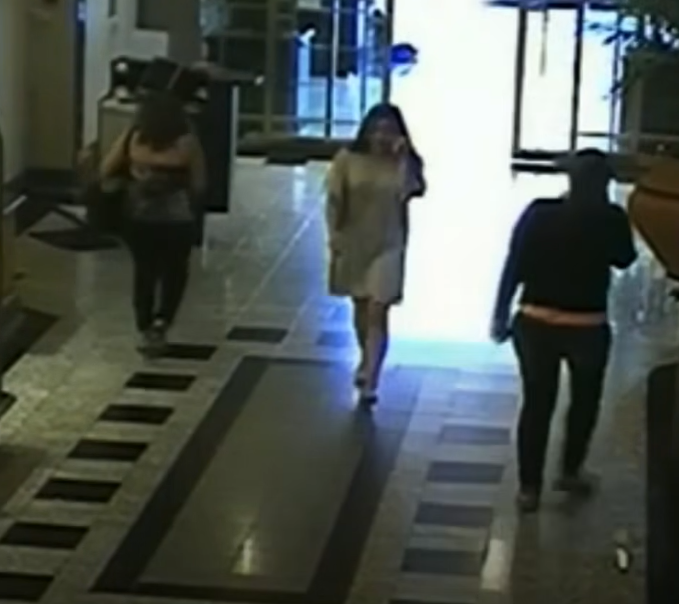
The agency provided police with a list of sixteen men who had visited her hotel room between December 29 and December 31.
One client stood out immediately: the final man who entered the room and left in a hurry shortly after midnight.
Suspicious
Police identified the last client as a 27-year-old Chinese man living in Adelaide.
He seemed ordinary from the outside: a small business owner, a husband, and the father of an eight-month-old child.

Investigators discovered that money was missing from the room, and after the killing, the suspect deposited cash despite having just lost heavily at a gambling den.
A fingerprint inside Fang Ting's high heel matched his right thumb, supporting the theory that he had held the shoe upside down and used it during the attack.
Final Thoughts
In 2016, the court found him guilty of first-degree murder and sentenced him to life imprisonment without parole for 25 years.
Fang Ting's death shocked her family not only because of the violence, but because they learned only afterward that she had been living a secret life far more dangerous than they imagined.
Her story remains a tragic reminder that desperation, secrecy, and exploitation can place vulnerable people in situations where help may arrive far too late.
WE DOCUMENT.
YOU DECIDE.
Our interpretation is only one possible perspective.