Episode 134:
She Got an Injection for Her Headache Then Never Woke Up, Who Gave Her a Lethal Dose?
In November 2005, an apartment manager in Gainesville, Florida stopped by to check on a tenant she'd grown friendly with, worried after noticing the young woman hadn't seemed well lately. A man she didn't recognize answered the door and told her the resident was "getting treatment" and couldn't be disturbed. She left, uneasy but unsure why.
The next day, in Miami, 24-year-old Michelle Herndon's fiancé Jason couldn't reach her — she'd missed both her classes and her part-time job, which was completely out of character after four years together. He drove five hours through the night and arrived at her apartment around 3:30 a.m., pounding on the door with no answer. Calling her phone, he heard it ringing inside. Peering through a gap in the blinds, he saw a pale, bare foot on the bed and called the police immediately. Officers forced the door open and found Michelle face down, no longer breathing, dead for less than 24 hours.
A Kindness That Turned Into Obsession
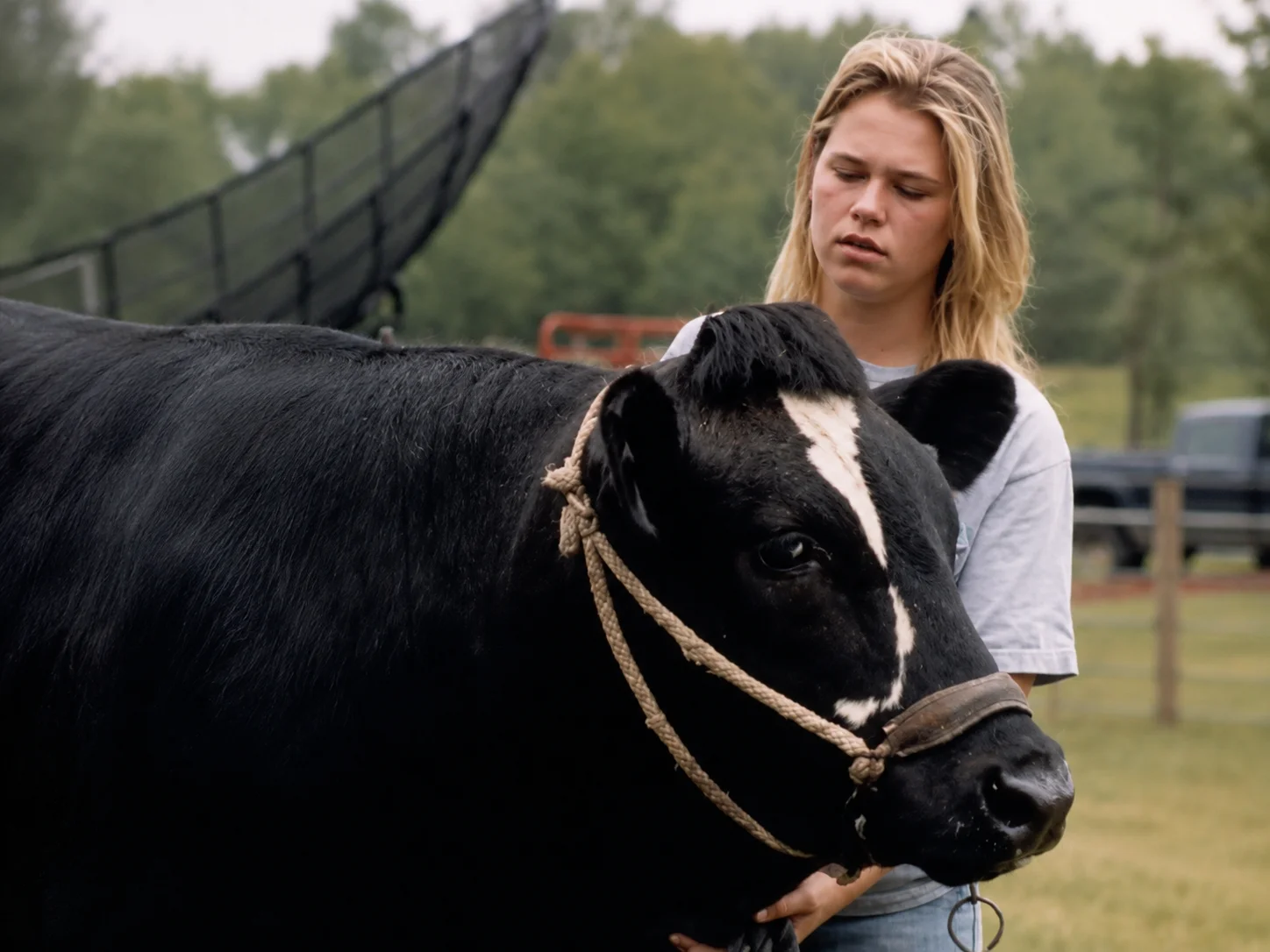
There were no signs of a struggle, but a faint needle mark on Michelle's arm — with no syringe anywhere in the apartment — pointed to something darker than a natural death. Michelle was, by every account, a warm and generous person, the kind of friend who made a point of including people who seemed lonely. One of those people was 27-year-old Oliver O'Quinn, an ICU nurse and the roommate of her best friend, who friends had started calling "Stalker Boy" for his fixation on her. Oliver had spent months exaggerating his life to impress her — claiming to be a former firefighter, paratrooper, and Air Force captain who'd personally rescued a 9/11 survivor — and calling her more than 40 times in a single month. Three weeks before her death, Michelle had told her mother the attention was starting to scare her.
A Trail Leading to a Nurse
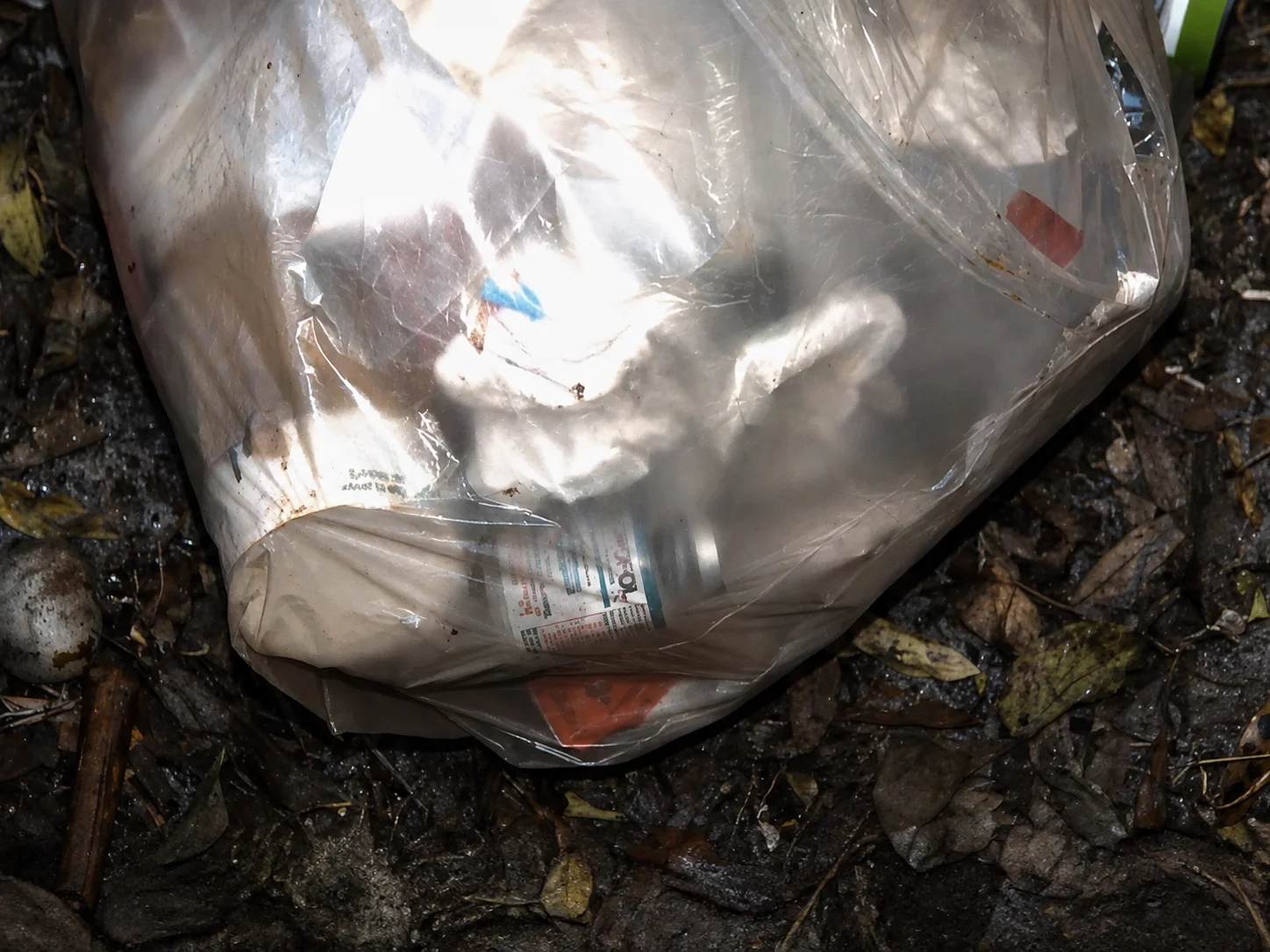
A search of the complex's dumpster turned up a bag with Michelle's mail alongside a syringe, a pediatric butterfly needle, and empty vials of Propofol, Midazolam, and Etomidate — a combination potent enough to stop someone's breathing almost instantly and, disturbingly, one that wouldn't appear on a routine toxicology screen. All three were controlled substances requiring a prescription, pointing investigators toward a medical professional; a clever guess that a rushed clinician might have used their teeth to pull off a vial cap paid off when male DNA turned up on one, though it matched no one in the criminal database. With no forced entry, Michelle likely knew her killer, and when the apartment manager described the strange man she'd met the day before — dark hair, glasses, mentioning "treatment" — police already had Oliver O'Quinn in mind. His phone records showed frequent calls to Michelle that abruptly stopped the exact day she died, and he'd told his father she'd died of a drug overdose before that cause of death had ever been made public. A vial traced through its FDA tracking number confirmed it had been checked out by Oliver himself from the ICU dispenser at Shands Hospital.
A Fugitive Across Three Continents
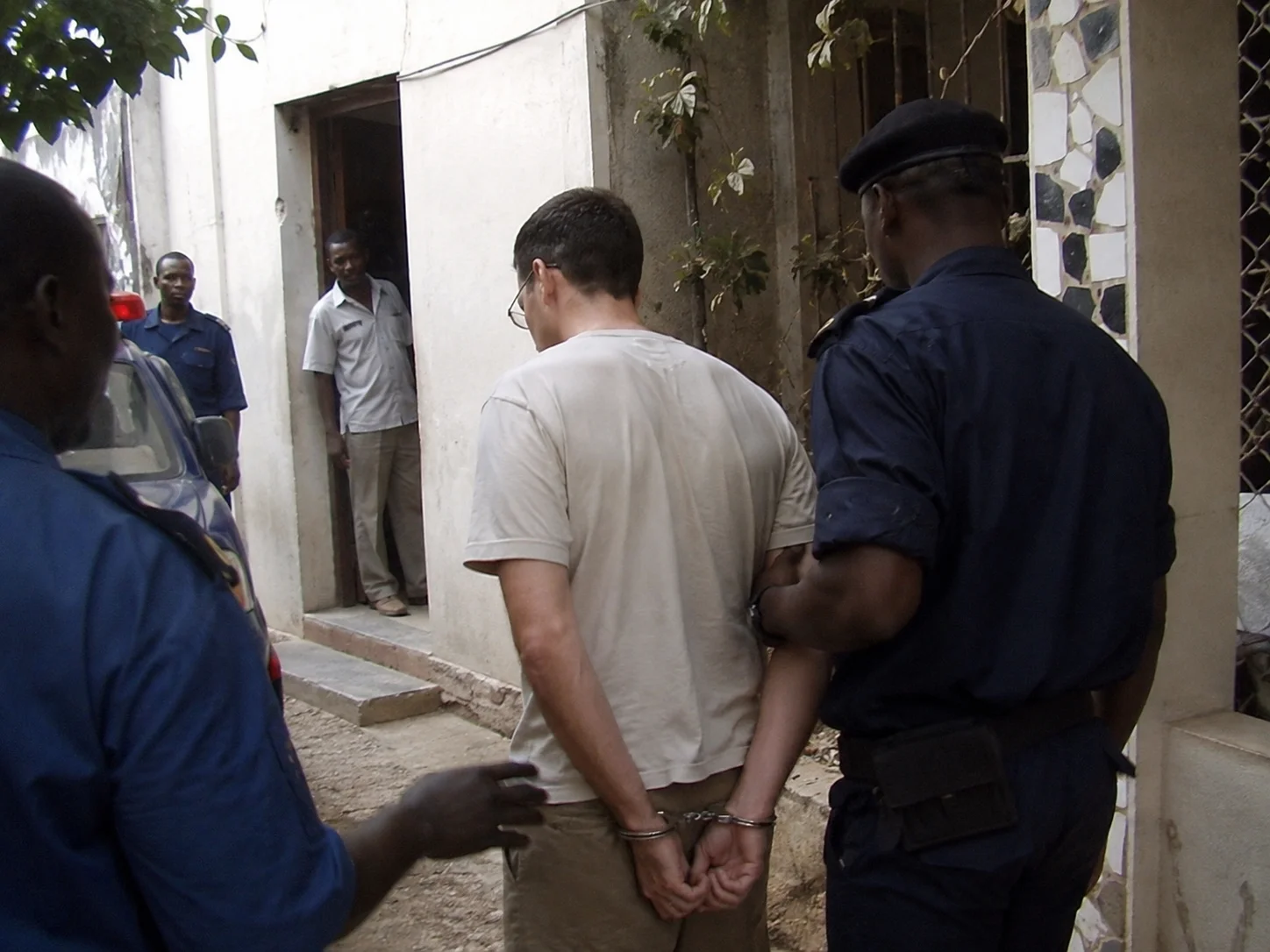
By the time police tracked him down, Oliver had already been fired from the hospital and vanished, having fled to Dublin, Ireland. With Irish authorities slow to act on an extradition request, U.S. investigators partnered with an Irish reporter to get Oliver's photo published in a national newspaper, deliberately forcing him to flee the country before he could settle in. It worked: in April 2006, Oliver flew to Mauritania, then crossed the border on foot into Senegal, where local police finally caught up with him after a week on the run. He was extradited to the U.S. in July 2006, and his DNA was confirmed a 99.9% match to the saliva on the vial cap.
Oliver admitted to stealing the Propofol and injecting Michelle, but insisted she had asked for it herself to treat a migraine and that her death was simply a dosing mistake. Prosecutors argued otherwise: Oliver had been giving Michelle the drug for headaches before, feeding his delusion that she felt something for him, until he overheard her on the phone with her fiancé and later learned she was planning to move in with him. According to a friend he confided in, Oliver said Michelle had "abandoned" him and that he was going to "put her to sleep, forever." He prepared a dose roughly four times lethal, mixed with two additional anesthetics to guarantee the outcome, and used the thinnest pediatric syringe available to minimize any mark. After the injection, Michelle is believed to have lost consciousness within 30 seconds and stopped breathing shortly after. Oliver bagged the evidence, disposed of it in the dumpster, and booked a flight to Ireland within days.
Final Thoughts
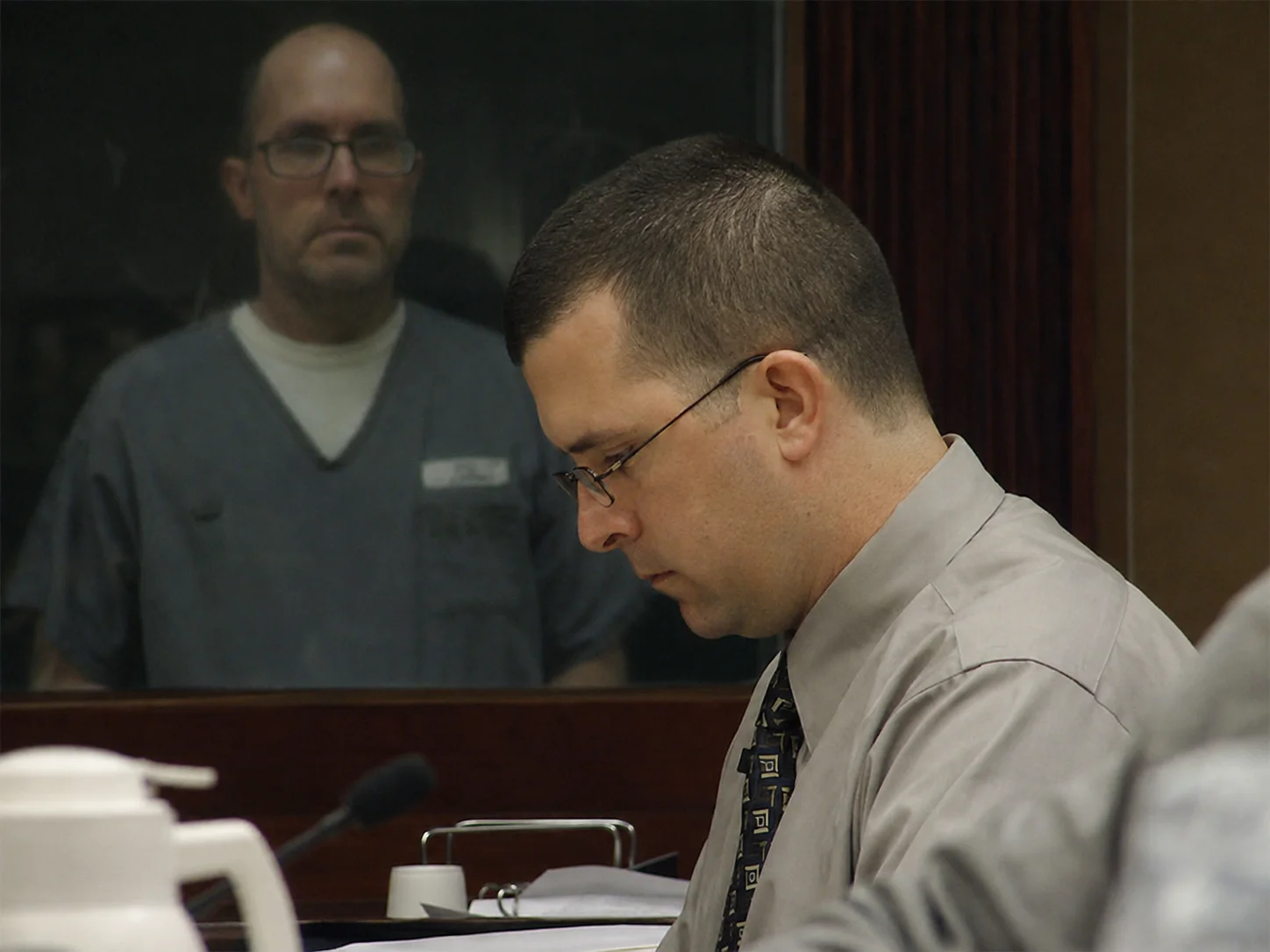
At trial in May 2008, Oliver pleaded not guilty and argued the case was medical malpractice, not murder. Prosecutors dismantled the claim point by point: phone records showed every call between them had been initiated by Oliver, none by Michelle; her own mother could testify to how uneasy Michelle had grown around him; and as an ICU nurse, Oliver would have known that Etomidate, a general anesthetic, was never used to treat headaches. The jury deliberated for just three hours before returning a guilty verdict, and Oliver O'Quinn was sentenced to life in prison without parole.
Michelle Herndon spent her life looking out for people other lonely — the homeless, a sponsored child overseas, and eventually a quiet, friendless coworker of a friend. She never could have imagined that same kindness would be the thing that got her killed.
Oliver O'Quinn was an ICU nurse who knew Etomidate is a general anesthetic, not a headache remedy, and stole the drugs from a locked hospital dispenser under his own logged access -- yet he still argued in court that her death was just a dosing mistake. What do you think it says about the case that his own medical expertise, the very thing that should have made an accident less plausible, was also what let him carry it out so precisely?
WE DOCUMENT.
YOU DECIDE.
Our interpretation is only one possible perspective.

