Episode 160:
He Smiled for the Cameras While His Chinese Wife Was Dissolving in Acid

On November 9, 2011, a woman walked into the police station in Cairns, Queensland, to report her friend missing. Ms. Liu had not heard from 42-year-old Li Ping Cao in days. Both were Chinese immigrants who had met at a community gathering and become close. When Liu and her husband went to Cao's house to ask after her, Cao's husband told them she had gone back to China, that it was a family matter, and that they should stay out of it. Then he shut the door. Liu did not believe her friend would leave the country without a word.
The husband was 68-year-old Klaus Andres. He let officers into the house and complained that this was the third time his wife had walked out. In the master closet a single dress was hanging. She had packed everything else, he said. But immigration had no record of Cao leaving Australia.
The Marriage Everyone Doubted

Klaus had lost his wife of 38 years and was estranged from his only son when he met Cao in China in 2006. She had a son of her own from an earlier relationship. They kept in touch by email, got engaged, and that October she came to Australia on a tourist visa and married him. His friends were against it. Marriage to a citizen was the quickest route to permanent residency, and they assumed that was what she wanted. Klaus ignored them. Cao learned English, got her driver's license, and received residency in June 2009. When Klaus injured his back soon afterward, the people who expected her to leave watched her nurse him back to health instead. On October 28, 2011, Cao had dinner with Liu. Her husband phoned to say he loved her, and Liu heard her answer coldly, "I don't need you. Find another woman." She wouldn't explain. From October 31, she stopped answering calls and texts.
Fifteen Gallons of Acid
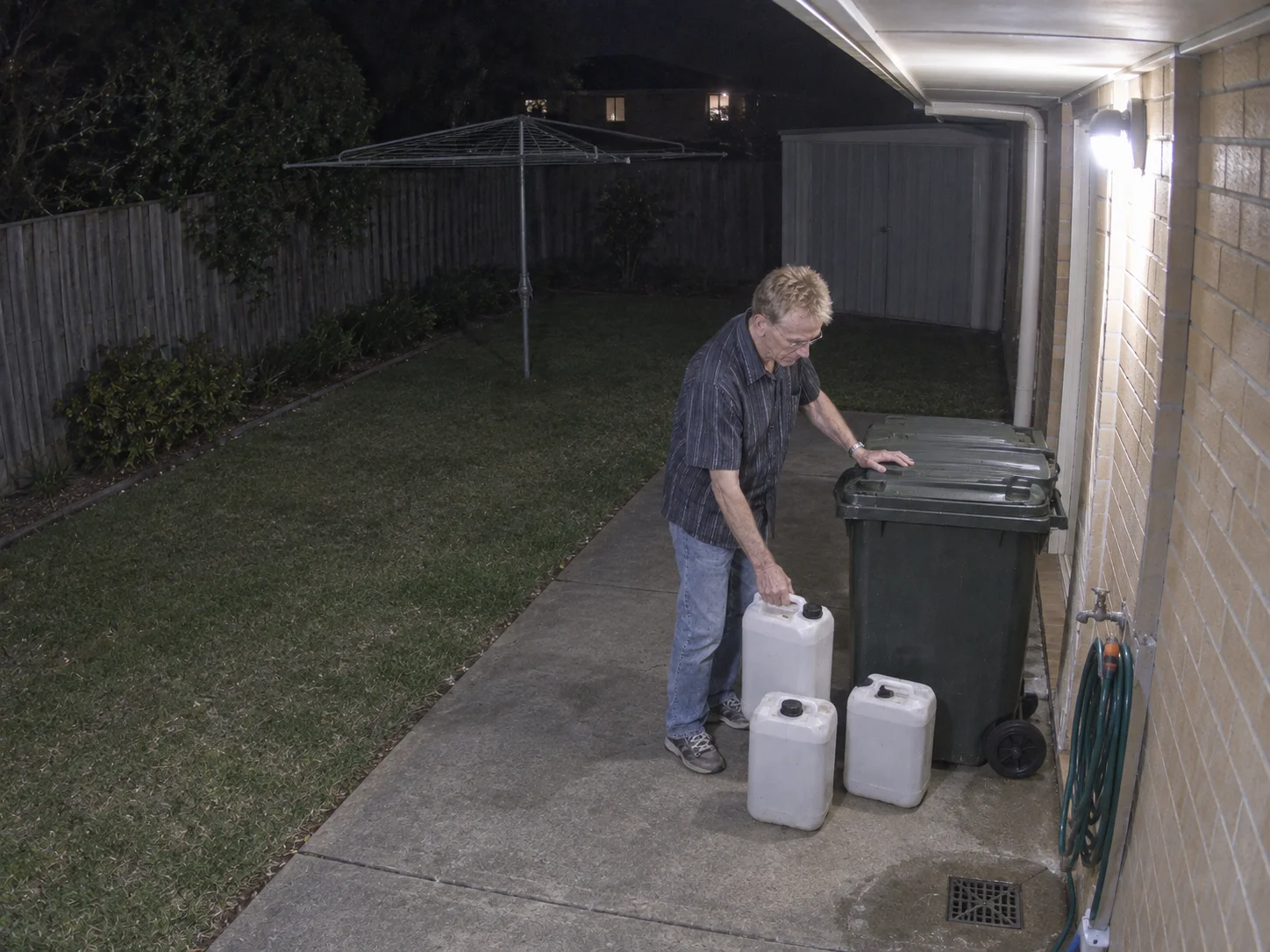
Klaus's son told police that on October 31 his father had scratches on his face and chest and a bandaged finger. Cao's phone had gone silent that day, then on November 8, the day Liu came to the house, it began calling her friends and hanging up. Her bank account showed a purchase on November 1 at a Bunnings hardware store. The store's cameras showed Klaus at the checkout with two five-gallon containers of hydrochloric acid, and records showed he had bought another five gallons on October 30. Before detectives could ask him about it, Klaus demanded a press conference so he could find his wife himself. In front of the cameras he called her secretive, eccentric, and disrespectful of his late first wife, hinted that she had run off with another man, and joked with reporters with a smirk on his face. Then a neighbor told police that around November 7 he had seen Klaus pour a trash can full of liquid into the drain in front of his house, and that all the grass around it had died.
Ten Teeth and a Phone in an Urn
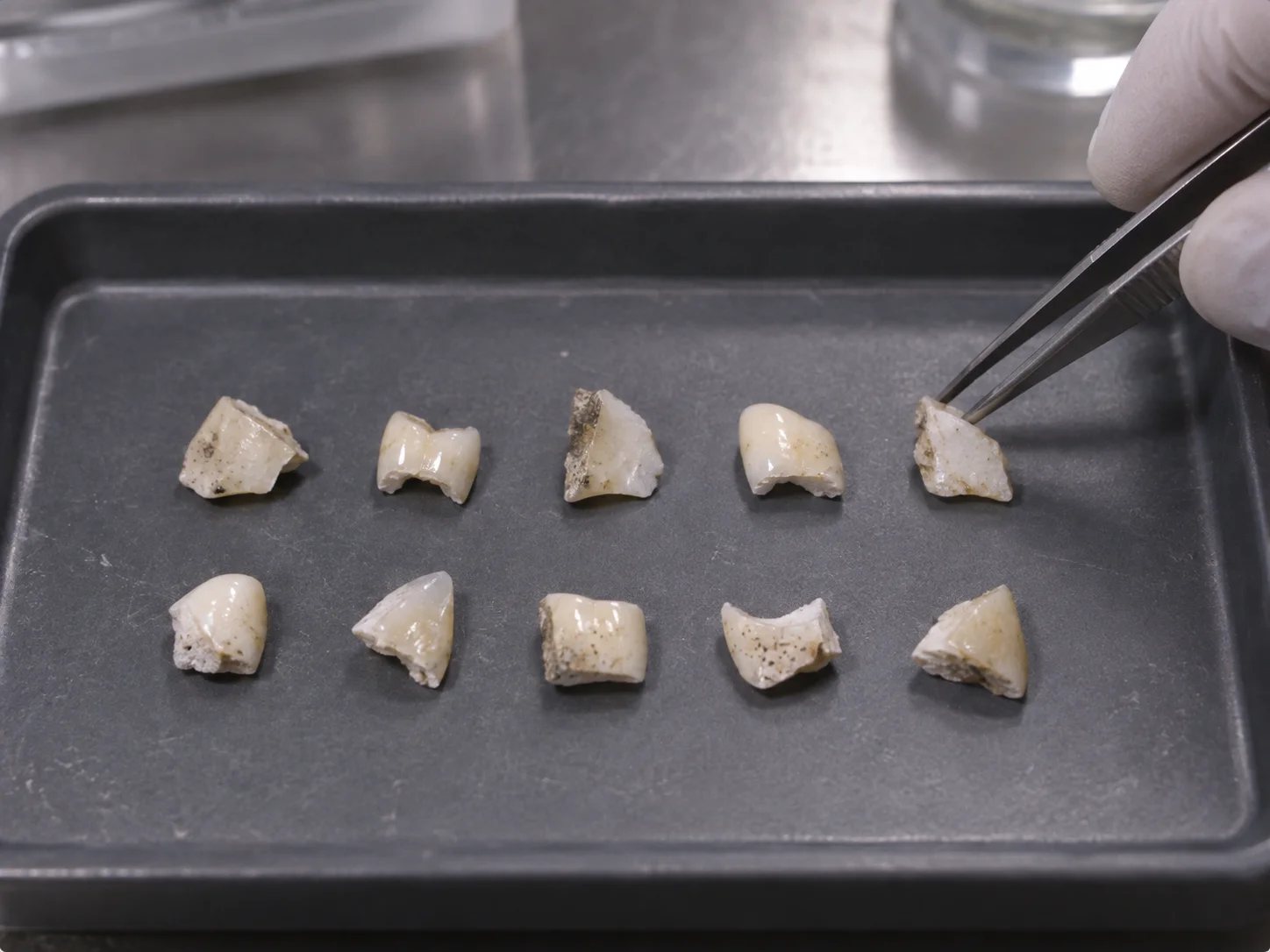
The drain held a white, fatty residue too degraded for DNA. Sifting through the debris, forensic officers found ten small white fragments: ceramic artificial teeth. Cao's records showed she had had dental work done in China that summer. A test on an animal carcass confirmed that fifteen gallons of hydrochloric acid could dissolve a body, bones and teeth included. Questioned again, Klaus said his lawnmower had leaked gasoline and killed the grass, denied ever using his wife's card, said the man in the footage "looked a bit like" him, and then said he had bought the acid for the pool. Police still needed the phone, since the November 8 calls could be used to argue Cao was alive. A detective searching the bedroom noticed the small memorial to Klaus's first wife. Cao's phone was buried in the ashes inside the urn. His emails supplied the motive. In August 2011, while Cao was in China, he had begun an affair with a 35-year-old Thai woman he met at a casino, and had proposed to her with a diamond ring. He wrote to her that there was "one problem" he would take care of, and that by the time she came back, "she will no longer be in my house." On October 31 he wrote, "Good news. She has finally left the house."
Final Thoughts
At trial in December 2013, Klaus admitted to interfering with a corpse, which carried a maximum of two years, and denied murder. He said Cao had confronted him about the affair and demanded half the house, that she scratched him and stabbed his hand with a fork, and that when he pushed her she fell, hit her head, and died. He claimed he got the idea of acid from a television show. Prosecutors pointed out that he had told his mistress more than once that he would get rid of his wife, and that he had once worked for a chemical company that handled hydrochloric acid. He had also rewritten his will and put the house in his grandson's name. The jury found that the circumstances, taken together, could only mean he had killed her deliberately, and he was sentenced to life in prison. His appeal was rejected in 2015. Parole has been refused twice, most recently in July 2026 when he was 83, and he can next apply in 2028. Cao's sister and son read statements in court on the last day of the trial. Her family never recovered her body.
With no body, Klaus Andres admitted only to interfering with a corpse, a charge that carried a maximum of two years, and claimed his wife died in an accidental fall. The jury convicted him of murder on circumstantial evidence taken together. How confident should a jury have to be to convict of murder when the killer has destroyed the body that could prove how the victim died?
WE DOCUMENT.
YOU DECIDE.
Our interpretation is only one possible perspective.

