Episode 118:
[True Horror] Unveiling the Dark Reality Behind Netflix's "Incantation"
![[True Horror] Unveiling the Dark Reality Behind Netflix's "Incantation"](../images/episode-118/1.webp)
This case is no ghost story. It's a true story from Taiwan that's even scarier — one so infamous it was adapted into a feature film. The truth behind it is so disturbing, it's hard to believe it actually happened.
April 11, 2005. A scream tore through a neighborhood in Kaohsiung, Taiwan: "Help! Please, someone help me! Save my sister!" Neighbors rushed outside to find a man in his twenties, half-crazed, crying out in the alley — the second son of the Wu family. They followed him into the house, and a horrific stench hit them the moment the door opened. On the floor lay Jin-ni Wu, the family's eldest daughter, foaming at the mouth, her entire body smeared with feces.
A Discovery No Doctor Had Ever Seen
At Kaohsiung Medical University Hospital, medical staff preparing to intubate Jin-ni wiped foam from her mouth and pried her jaw open — and froze. Her mouth was packed solid with feces, all the way down her throat. Intubation was impossible, so doctors attempted a tracheotomy instead, cutting an incision to insert a tube directly — only to find her esophagus clogged with feces as well. Even veteran doctors had never encountered anything like it. Jin-ni was pronounced dead shortly after.
The autopsy found the actual cause of death was multiple organ failure — unrelated to the feces itself. Her body showed prolonged malnutrition, protein and nutrient levels so depleted her organs no longer had the energy to function, compounded by severe insomnia, which is known to trigger inflammation and strain the cardiovascular system. Together, starvation and sleep deprivation had shut her body down. A week before her death, police had actually been called on Jin-ni for spitting and cursing at a stranger in public — at the time, they simply assumed a mental health episode and sent her home.
Bruises, Burns, and No Sign of a Struggle
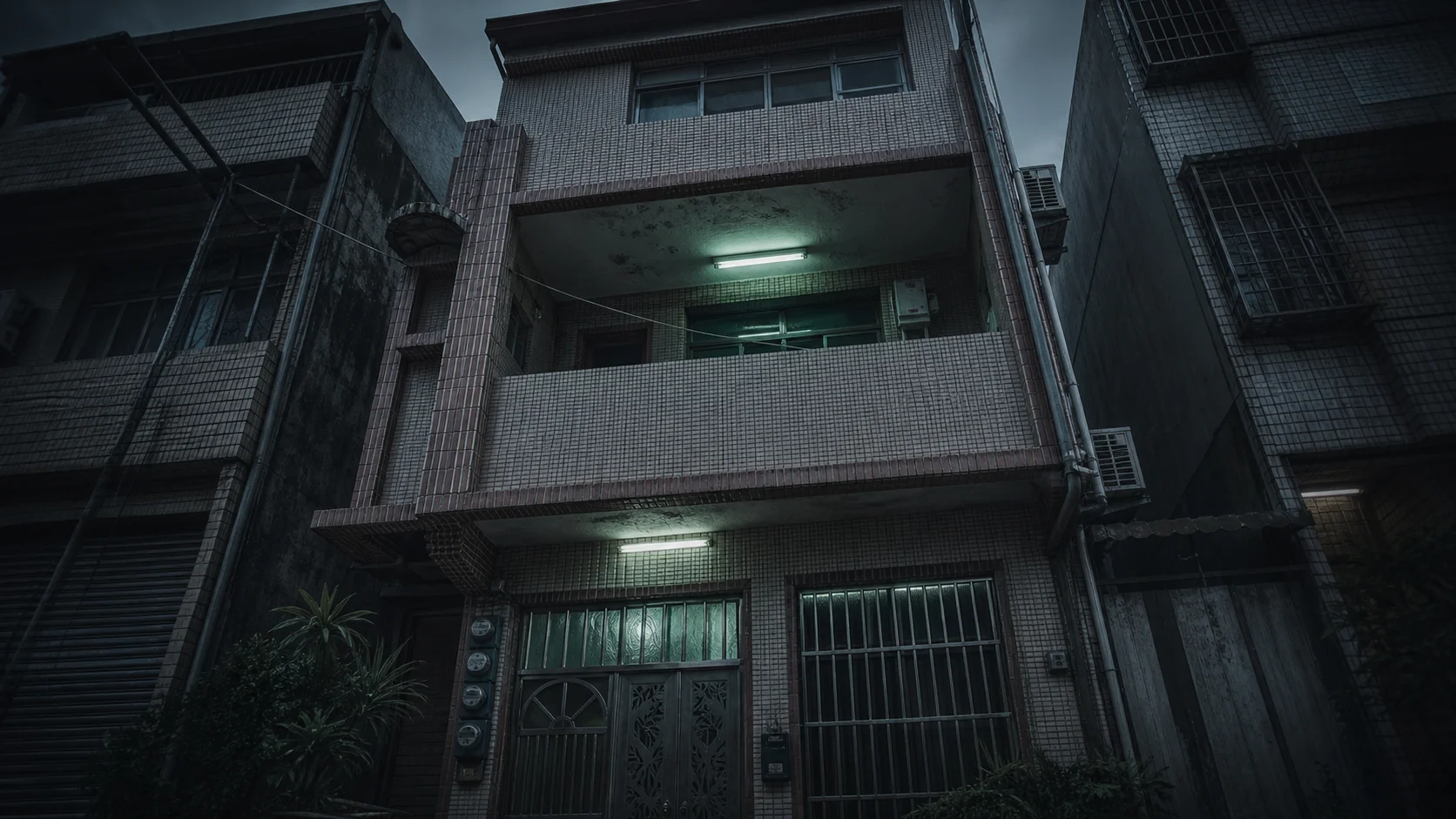
An ER doctor noticed bruising on Jin-ni's wrist and rolled up her sleeve, revealing her entire arm covered in black bruises. Removing her clothing revealed the full extent: bruising across her whole body, along with countless tiny burn marks. Malnutrition, sleep deprivation, and severe bruising together painted a clear picture of sustained abuse and torture, prompting the doctor to call police immediately.
The autopsy confirmed it — bruises consistent with blunt-force beating, and tiny burns roughly an eighth of an inch wide, believed to be from the lit ends of ritual incense sticks. One long horizontal burn suggested she'd flinched away at the last second. Yet strikingly, there were no restraint marks and no defensive wounds anywhere on her body — raising the disturbing possibility that Jin-ni had endured this without physically resisting at all.
A Quiet Family, Then Silence
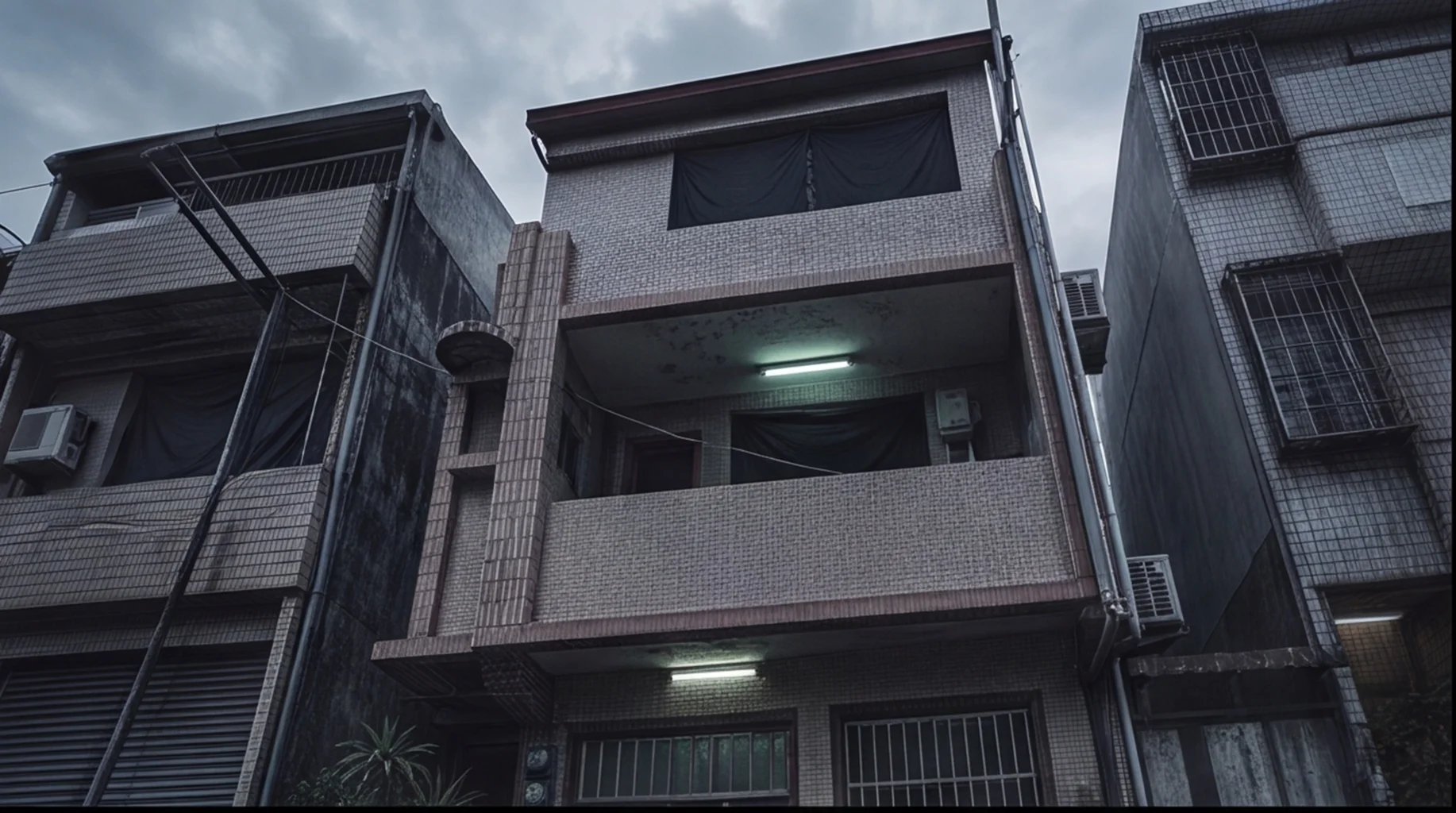
The Wu family — patriarch Wu Yun Wu, a farmer, his wife Yu-Ying-Cheng Tsai, and their four adult children — lived together across three floors of one building. Neighbors described them as quiet, reserved, never more than a passing nod in the alley. That changed in early 2005: the family stopped leaving the house, and loud thumping sounds began echoing through the neighborhood day and night, followed one evening by a woman's bloodcurdling screams. One neighbor told police, "Everyone in that house had gone crazy. None of us dared go near it. Even his elderly parents and his brother's family moved out to a hotel."
The younger brother, who lived on a separate floor, described going up to check on the noise and finding his brother's family beating each other with sticks — some burning incense and bowing, others crying, screaming, and cursing all at once. When police went to the house directly, no one answered. The family had already fled. Officers searching inside found every window and balcony on all three floors covered in black cloth, walls plastered with talismans, and rice and salt scattered across the floors. An altar sat neatly arranged in the living room — in stark contrast to the walls, floors, and ceiling around it, thickly coated in human feces, with bowls of it left on the floor next to spoons, suggesting the family had been eating it.
Turning Themselves In, On Their Own Terms
Police traced a taxi that had taken the family to their ancestral village near Kaohsiung and called relatives one by one until Mr. Wu himself answered. He readily admitted who he was and agreed to bring the whole family in — but attached an unusual condition: the detectives needed to bring a "Cheonhwang Cheok," a peach-wood ritual rod used in Taoist exorcisms, to protect themselves from possession. The Wu family were devout, generations-deep Taoists, gathering every Wednesday at dawn for rituals to ward off evil spirits. Police, prioritizing getting the family in, arranged for a nearby temple to provide one.
Questioned separately, every family member gave the same account: Jin-ni wasn't dead. Her mother insisted, "That wasn't Jin-ni. It was the evil spirit possessing her — an evil spirit that died. My daughter will wake up soon." Investigators initially suspected a coordinated story to avoid murder charges, but days of separate questioning never broke it. When the family was finally brought together in one room, Yu-Ying-Cheng suddenly convulsed, her eyes rolling back — then calmed and said quietly, "Jin-ni's spirit just came to me. Our little girl's really gone." Only then did the family collectively accept her death.
How It Began
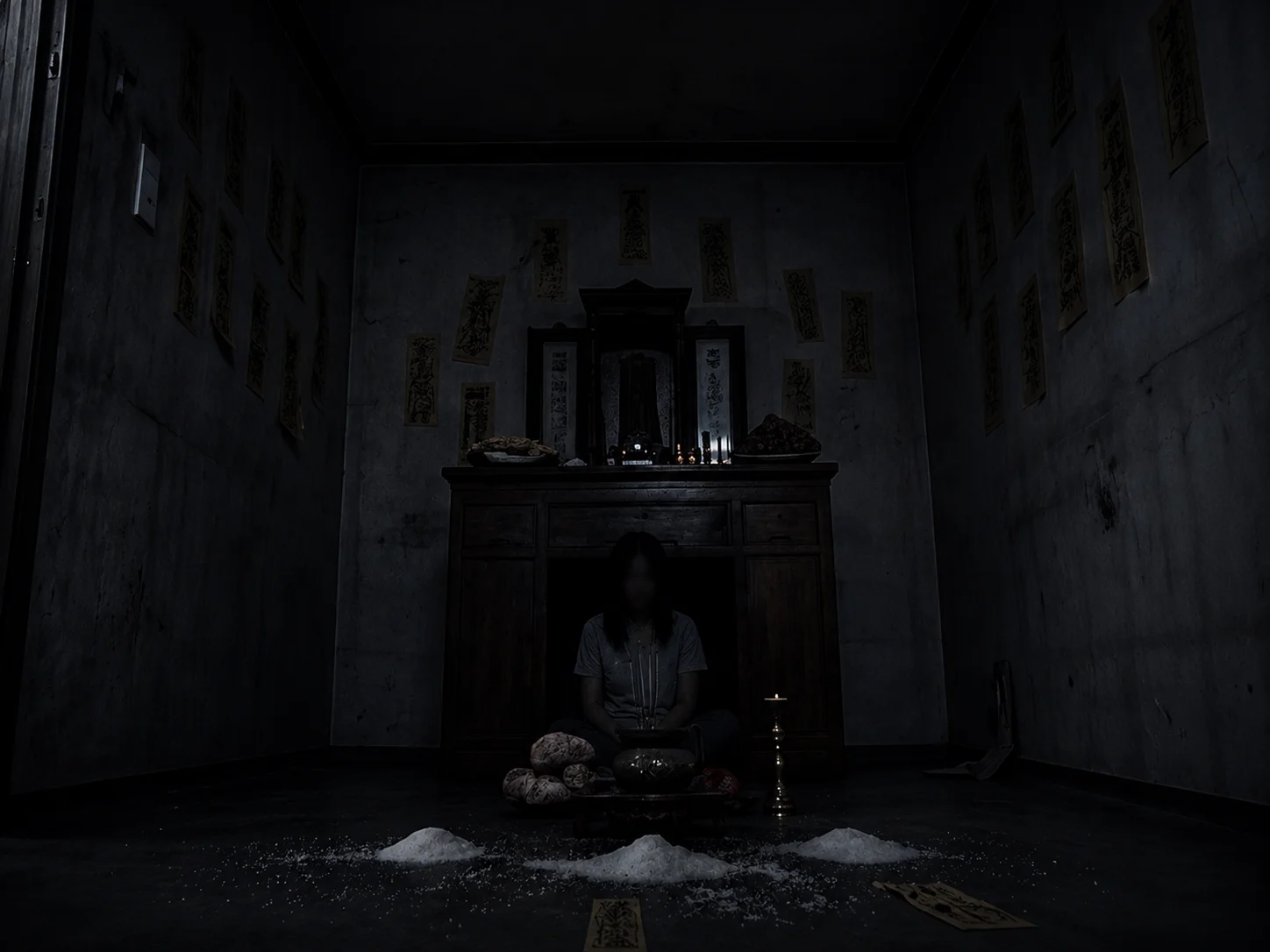
It started with the youngest daughter, Mei, in February 2005. Seeking positive energy, she visited a religious foundation on a friend's recommendation and received a spirit-calming ritual — a seemingly casual visit. That night, she was overcome with a tight chest, cold sweat, and the terrifying sense that she was no longer herself. Convinced she was possessed, she told her family, who found a Taoist master in the mountains to perform an exorcism. She initially felt relief — until her condition worsened days later, and she became convinced a far greater entity had taken hold of her: the Third Prince, the guardian deity her family had worshipped for generations. The family began treating Mei herself as a divine vessel.
Speaking as the Third Prince, Mei warned that a terrible curse was about to fall on Jin-ni and that she would die unless she returned to the family home. Jin-ni, living away in Taipei running a bento shop, abandoned it immediately and rushed back. The family locked the doors and stopped leaving the house, fearing further spiritual attack. Once home, Jin-ni began having vivid, recurring nightmares of sexual assault and dismemberment that felt physically real, developing severe insomnia. Sleeping pills from her father briefly improved her condition, convincing her the curse had broken — until the night before she planned to return to Taipei, when she suddenly began laughing uncontrollably, clawing at herself until she bled, and throwing herself against walls with a strength her father and brother couldn't restrain.
Final Thoughts
A mountain master diagnosed Jin-ni as possessed too, prescribing a month of spiritual training in the mountains, which the family completed on April 3 — returning home hopeful. That same evening at dinner, the entire family's demeanor shifted at once: Mr. Wu leaped up shouting "Do you have any idea who I am?!", his son mocked him with contempt, his wife began frantically lighting incense throughout the house, and the youngest child grabbed a stick and began beating him — to which Mr. Wu responded not by stopping it, but by grabbing his own stick and joining in. The younger brother, witnessing the chaos, fled with his elderly parents to a hotel.
Following a shaman's instructions to ward off evil spirits — covering the house in talismans, hanging black cloth over every window, and surrounding themselves with things spirits supposedly despise, namely feces — the family spiraled further, attacking each other, pouring scalding water, burning one another with incense, refusing food they believed was spiritually tainted, and eating feces themselves. Convinced Jin-ni was still possessed, they forced talisman-dissolved water down her throat and kept her awake in shifts for days. On April 9, after five days of this, she collapsed foaming at the mouth; her sister, a trained nurse, attempted CPR, then concluded the collapse meant the spirit had finally left her body — and left her unattended in bed for two more days before the younger brother finally broke from the delusion and ran for help on April 11.
Experts who reviewed the case suggested the family experienced a shared psychotic disorder — one person's delusion spreading through an unusually close family bound together by generational religious belief — though no clinical mental illness was found in any of them during testing. Prosecutors charged all five surviving family members with abandonment leading to death, a crime carrying at least seven years in Taiwan. The court ultimately acquitted them entirely, ruling that while the family had likely subjected Jin-ni to brutal abuse in the name of exorcism, the roughly four days of that specific abuse could not be conclusively linked as the direct cause of death recorded in the autopsy — malnutrition and sleep deprivation compounding over a longer period. The case became so well known in Taiwan that it inspired the Netflix horror film "Incantation." Whatever explanation anyone settles on, it remains one of the hardest true stories to reconcile with what actually happened inside that house.
Experts believe the Wu family's collective breakdown may have been a shared psychotic disorder rather than actual possession, spreading fastest through their close family bond and generational belief in Taoism. Do you think the court was right to acquit them because the abuse couldn't be directly tied to the cause of death, or should intent have mattered less than the outcome?
WE DOCUMENT.
YOU DECIDE.
Our interpretation is only one possible perspective.

