Episode 122:
The Serial Killer Who Took a Ransom Photo After Her Death (Israel Keyes)
The evening of February 1, 2012, a missing person report was filed in Anchorage, Alaska. "I think my girlfriend's been kidnapped. I got a text from her earlier, but it didn't sound like her at all. I'm telling you, someone else sent this." The missing woman was eighteen-year-old Samantha Koenig, who worked part-time at an isolated coffee stand on the outskirts of town — a small roadside kiosk staffed by a single employee, offering drive-thru coffee and snacks.
Samantha usually texted her boyfriend during slow moments and finished her shift around 9 p.m., when he'd pick her up. That night, around 8:30 p.m., all contact from her suddenly stopped. Assuming she was just busy closing, he went to get her as usual — and found the stand dark, and Samantha nowhere in sight. She wouldn't have simply walked home. As he called repeatedly with no answer, a text finally arrived: "A couple picked me up. Don't worry. I'm going on vacation. I'm so exhausted." It didn't sound like her at all, and made no sense. He checked with friends, then family, then called police.
Taken From Behind the Counter
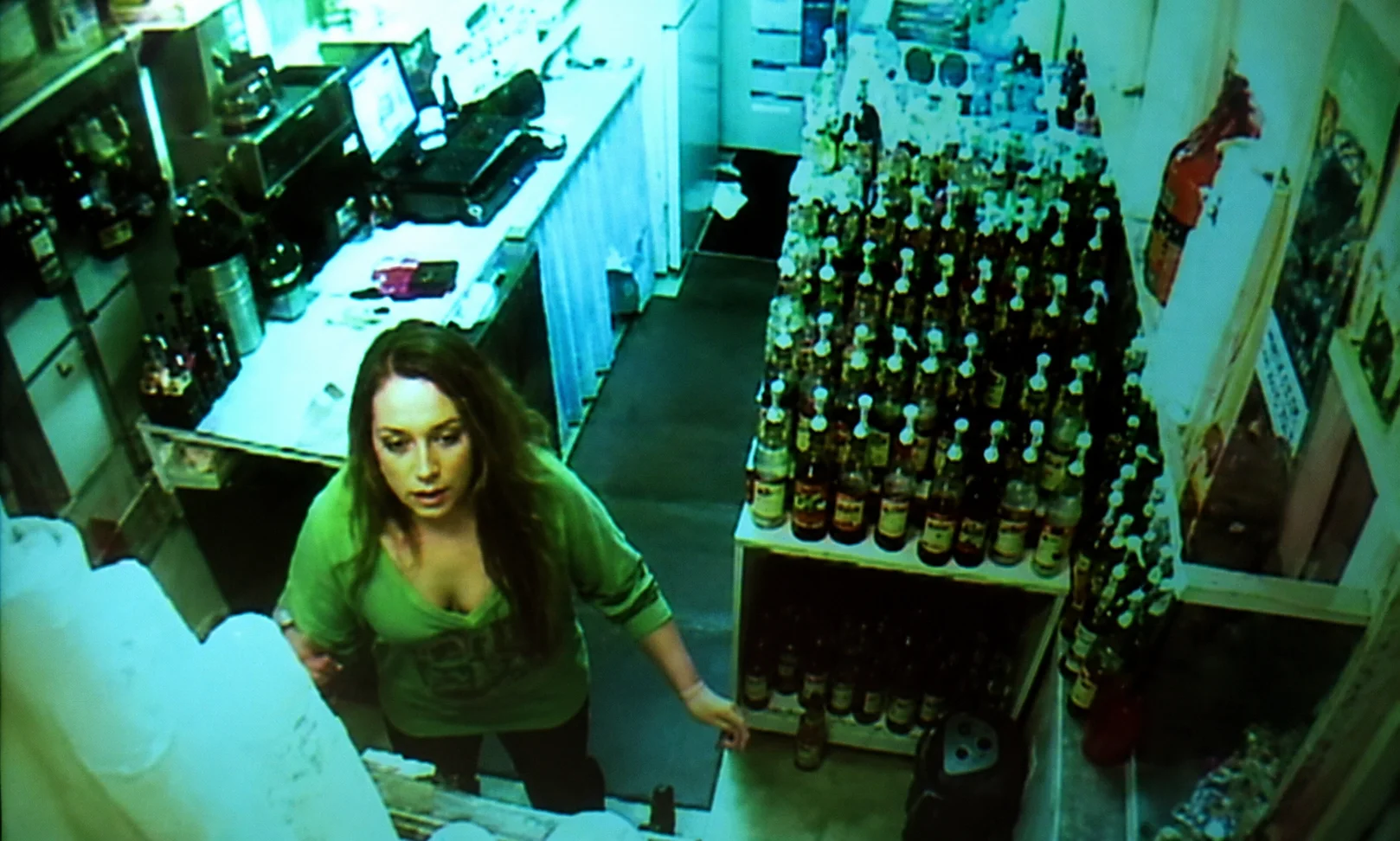
Security footage from the coffee stand showed the horrifying truth. At 8:30 p.m., as Samantha began closing up, a man in a balaclava approached the counter. As she attended to him, she suddenly flinched back — he'd pulled a handgun. Terrified, she raised her hands and killed the lights on his command. He climbed in through the service window, zip-tied her hands, and dragged her out. She'd been abducted before she could process what was happening. Because the stand sat in a sparsely monitored part of Anchorage, there were almost no cameras to trace his escape route, and the trail went cold immediately.
Weeks passed with no trace of Samantha. Her father, James, made a tearful televised plea: "Please, find my daughter. I don't know if she's alive, if she's safe, or where she is. Please, I'm begging you." Then, twenty-three days after the abduction, at 7:45 p.m. on February 24, her boyfriend received a cryptic text: "You know the thing under Albert's picture on the Connor Park sign? So pretty, right?" Investigators zeroed in on Connors Bog Park, where Samantha's family found a mysterious envelope waiting — inside, a photo of Samantha looking anxious but frozen, a hand holding up a newspaper dated February 13, ten days before the discovery. The family believed she was alive. A note demanded $30,000 deposited into her bank account. They paid immediately. The kidnapper never contacted them again.
Tracked Across State Lines
On March 7, investigators discovered Samantha's debit card had been used at an ATM in Willcox, Arizona — nearly 3,700 miles from Alaska, pulling the FBI into the case. The suspect stayed ahead of them, withdrawing cash across Lordsburg, New Mexico, then Shepherd and Humble, Texas, moving nonstop for three days. ATM camera footage never showed his face, obscured by the same balaclava, but it clearly captured his vehicle: a white Ford, traveling Interstate 10. Alerts went out along the whole corridor. On March 13, forty-three days after the abduction, his car was found in a Texas hotel parking lot. Officers waited, tailed him after he sped, pulled him over, and searched the vehicle — finding Samantha's ID, debit card, cell phone, a handgun, and the balaclava from the surveillance footage. The suspect was arrested. It was only the beginning.
"Killing Is Thrilling"
The killer was thirty-four-year-old Israel Keyes, unnervingly calm from the moment of arrest. Before confessing anything, he negotiated: a Starbucks Americano, a Snickers bar, cigars. Police obliged, and he began talking. On February 1, he'd been overcome by an urge to kill but had a family cruise scheduled the next day, forcing him to hunt locally in Anchorage instead of traveling. He spotted the isolated, camera-free coffee stand with a lone young woman working and decided it was perfect. After abducting Samantha, he brought her to his own home — where his girlfriend and ten-year-old daughter were both present — and hid her in the shed. At 2 a.m., once his family was asleep, he returned with loud music playing and began his assault. Samantha gave him everything — her phone, cards, PIN — but he'd always intended to kill her. He sexually assaulted and strangled her; she was dead within hours of being taken. The next day, he went on the family cruise as planned.
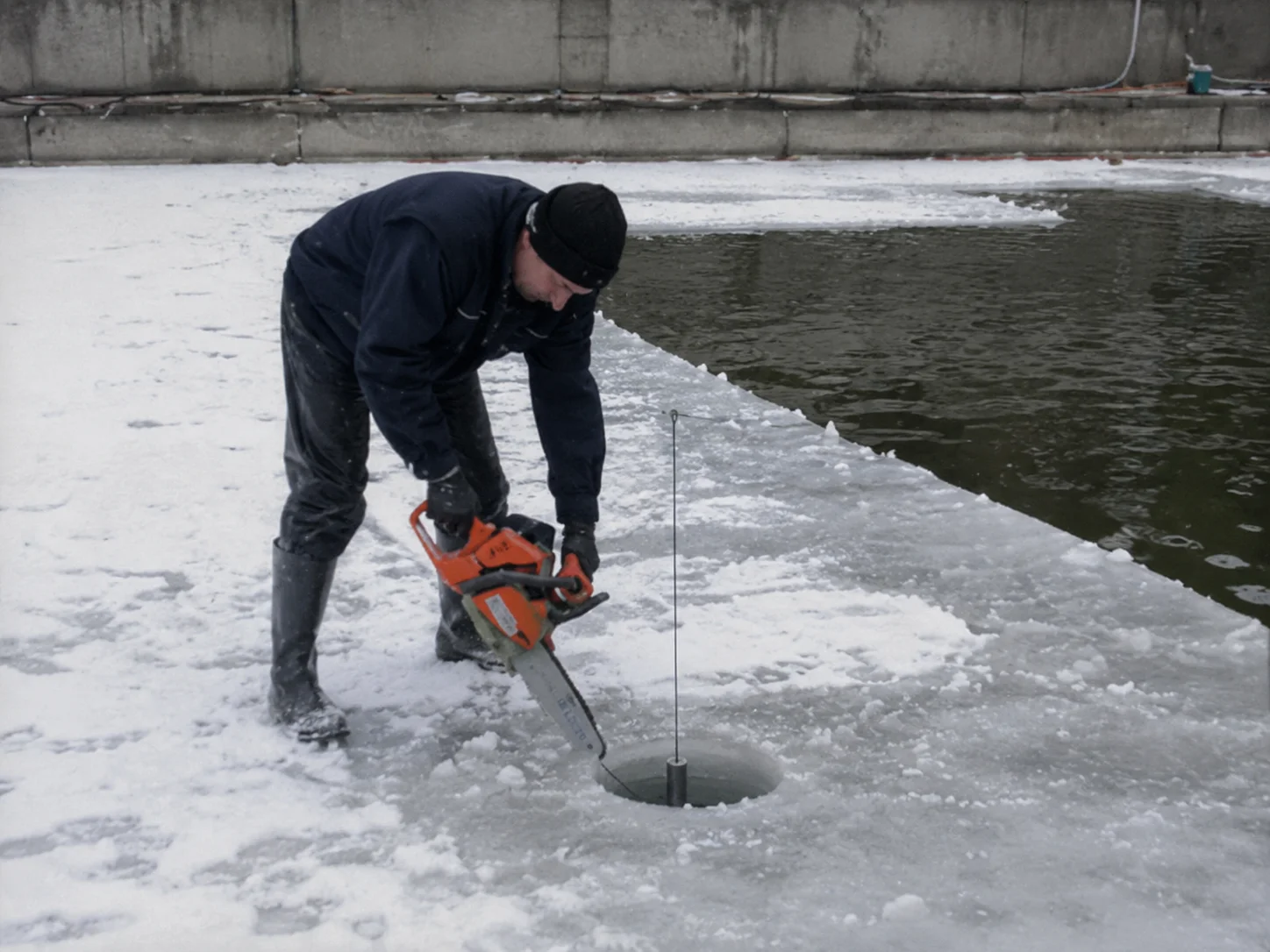
Two weeks later, back from vacation while Anchorage searched frantically for Samantha, Keyes decided to extort her family — which meant faking proof of life. He stitched her eyelids open with fishing line, applied makeup to make her look alive, and staged the newspaper photo left at the park. Once the ransom was paid, he cut a hole in a frozen lake with a chainsaw, weighted her body, and sank it — then sat down beside the same hole and went ice fishing.
The Kill Kits
Investigators, disturbed by his relaxed demeanor, suspected there was more — and used his apparent need to boast to draw out further confession. Keyes admitted he was "two different people, sometimes a loving father, other times a killer," and claimed to have killed at least eleven people over twelve years. He then made an unusual offer: full confessions and methods, in exchange for the death penalty — not a reduced sentence. His only stated motive was ensuring his daughter never learned what he'd done, going so far as to threaten silence if his name was ever released to the media.
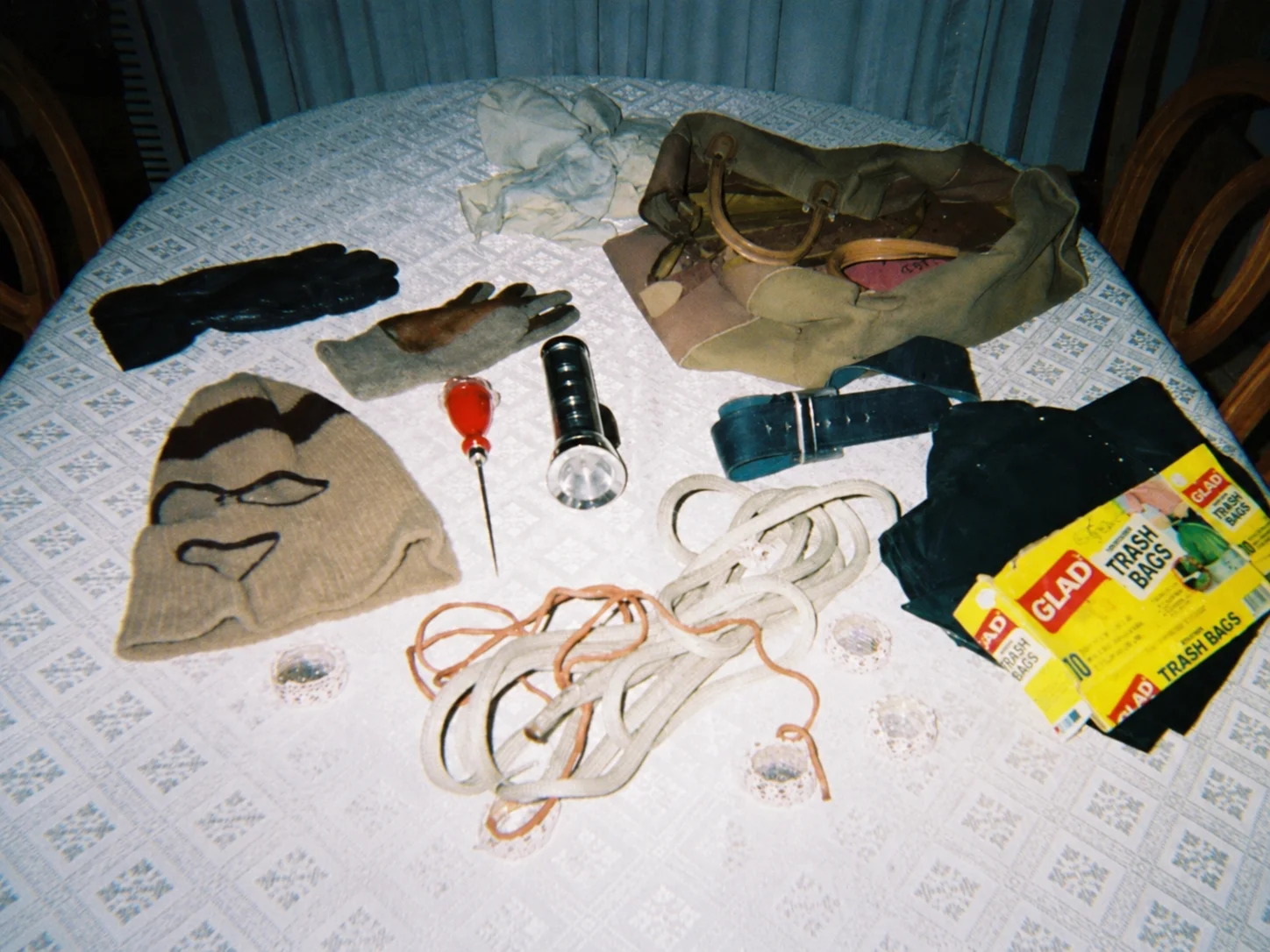
What set Keyes apart from other serial killers was his method: years before ever killing, he traveled across the country burying "kill kits" — guns, ammunition, zip ties, knives, and drain cleaner he believed (incorrectly) would speed decomposition — in locations only he knew. Whenever the urge struck, he'd fly to a different state, rent a car, retrieve a buried kit, and select victims in isolated parks, cemeteries, or campgrounds late at night, never repeating a location, then fly home immediately to avoid detection.
The Currier Murders
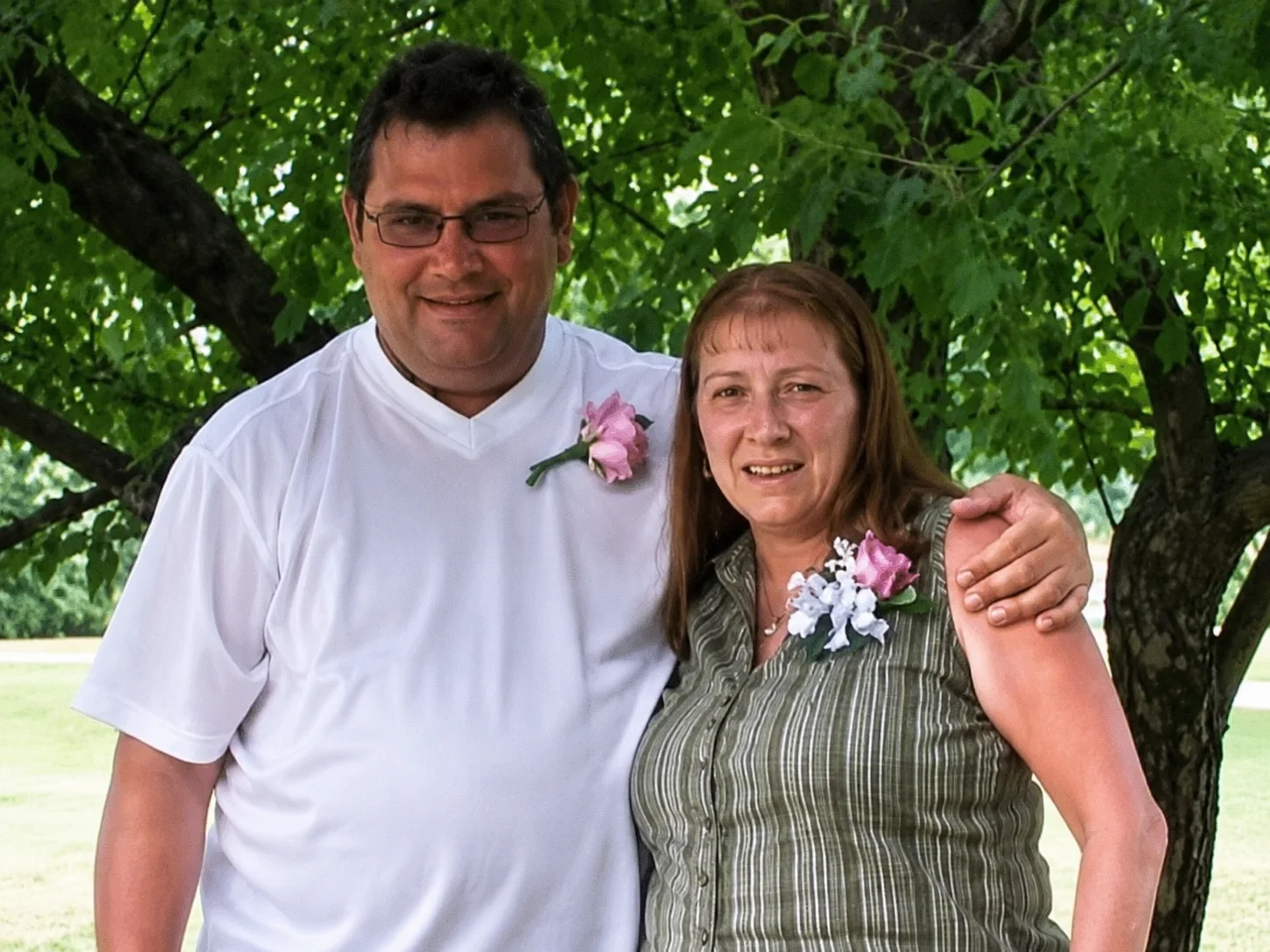
Police leveraged his desire for execution to extract more, and Keyes confessed to a June 2011 murder. Feeling the urge again, he'd flown from Alaska to Illinois, rented a car, and driven four days to Vermont to retrieve a kit he'd buried two years earlier. On June 8, he broke into the home of fifty-year-old Bill Currier and his fifty-five-year-old wife, Lorraine, threatened them at gunpoint, and dragged them to a scouted abandoned farmhouse. He murdered Bill first, then sexually assaulted and strangled Lorraine while she screamed. He treated the bodies with chemicals from his kit, bagged them, and left them in a shed corner — where, by sheer luck for him, the farmhouse was demolished shortly after and the remains sent straight to a landfill, unexamined. The case had gone cold until Keyes confessed it himself.
Keyes claimed crimes spanning 2001 to March 2012 across the country — kidnapping, murder, robbery, burglary, and arson — but deliberately kept his confessions maddeningly vague: a couple killed sometime between 2001 and 2005, two more between 2005 and 2006, someone on the East Coast in 2009, a body possibly in New York. He grew up in a devout Mormon family that relocated repeatedly across Utah, Washington, and Oregon before he served in the military in Texas, married, and had a daughter — the one person, he said, who mattered most to him. Settling in Anchorage, he ran a one-man construction business and was known to neighbors as a quiet, devoted family man. Investigators eventually connected his movements to the 2009 disappearance of forty-nine-year-old Debra Feldman in New Jersey, showing him her photo — he wavered visibly but never confirmed it.
Final Thoughts
Prosecutors charged him with Samantha's murder and the confirmed Currier killings, intending to keep investigating further. On December 2, 2012, in the middle of his trial, Israel Keyes died by suicide in his cell, leaving behind four notes — one of them drawn in his own blood with eleven skulls, which the FBI came to believe represented his total victim count, though this remains unconfirmed. The FBI later recovered two of his kill kits, in New York and Alaska, and believes more remain hidden in Wyoming and Washington, states he frequently visited. He chose death specifically so his daughter would never see him exposed as a serial killer — a wish undone by how widely his story ultimately spread. What the exact number of his victims was, and where the rest of his kill kits remain buried, died with him.
Israel Keyes confessed only in exchange for the death penalty, and only well enough to avoid revealing details that could expose his daughter to the truth, leaving most of his victims unidentified even after his death. What do you think investigators should do when a killer treats his own execution as leverage to control what the public ever learns?
WE DOCUMENT.
YOU DECIDE.
Our interpretation is only one possible perspective.

