Episode 171:
Japanese "Passport Bro" Behind a Gruesome Serial Dismemberment
On the evening of April 3, 2008, Roppongi, the heart of Tokyo's nightlife, was getting ready for the night. Among its bars was a Filipino pub, where all the hostesses were from the Philippines, and a woman we will call Ms. A was at work there. Her cousin, Kamiosawa Ratilla, who lived with her in an apartment in Odaiba, had been sleeping so deeply that afternoon that Ms. A went in alone. As the pub filled up, Ratilla still had not arrived and did not answer her phone.
Two others lived in the apartment: Ratilla's two-year-old son and her boyfriend, 48-year-old Hiroshi Nozaki. He did not answer either. Around 7:30 p.m., Ms. A went home and opened the front door.
What Ms. A Saw
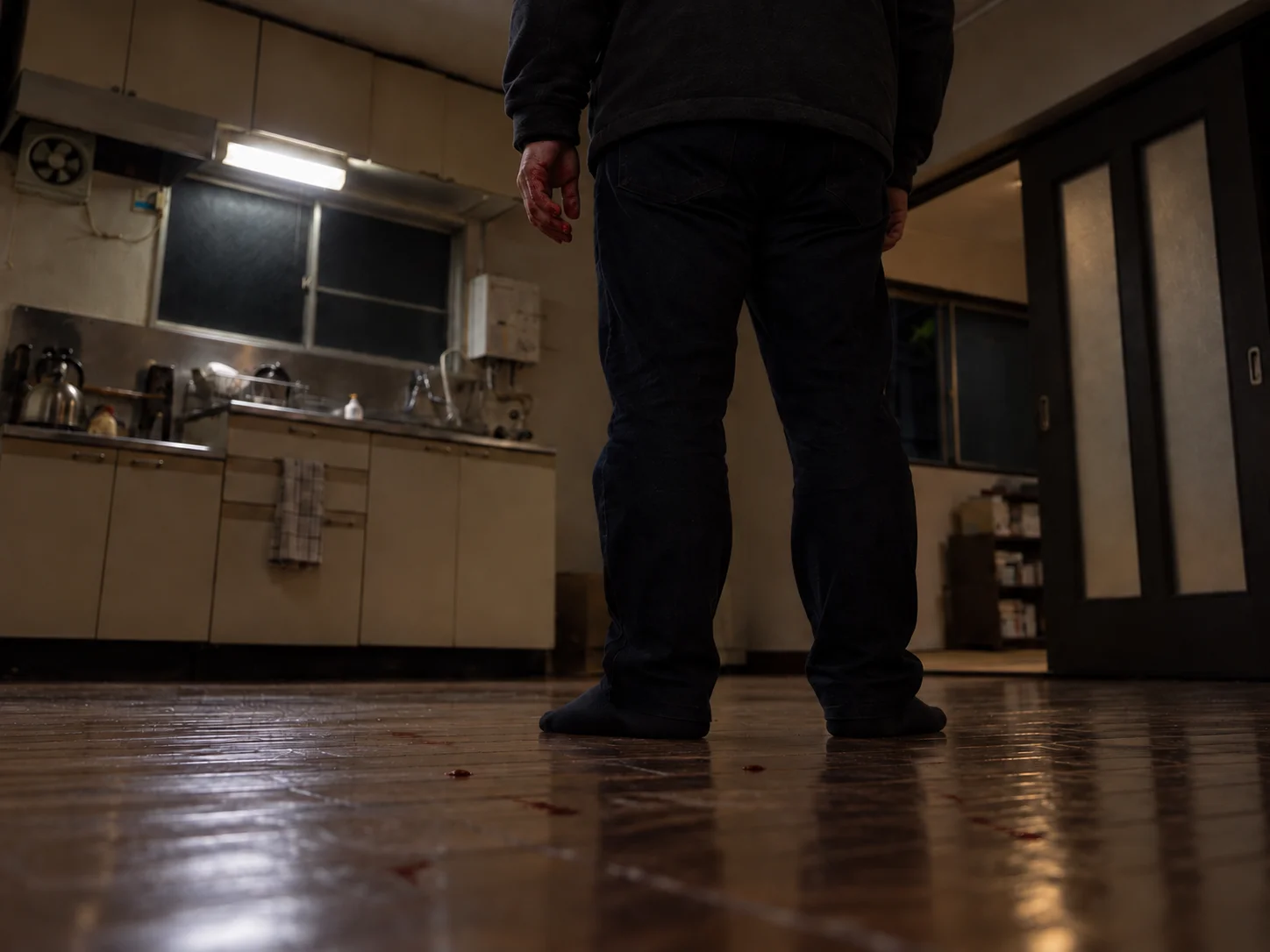
The apartment smelled of blood. Nozaki stood in the middle of the living room, soaked in red, holding something white in his arms. Ms. A thought at first it was a mannequin. When he saw her, he dropped it. It was her cousin's body. She ran screaming to the police. By the time officers arrived, Nozaki had packed a bag and gone. In a large bag on the floor they found part of Ratilla's body, strangely pale, as though almost all the blood had been drained from it. A futon in the kitchen was soaked in blood, and so was the inside of the washing machine: he had run the remains through the spin cycle to drain them, so they would not drip and would weigh less. Investigators thought either he was extraordinarily calm or he had done this before. His record answered the question.
Nine Years Earlier
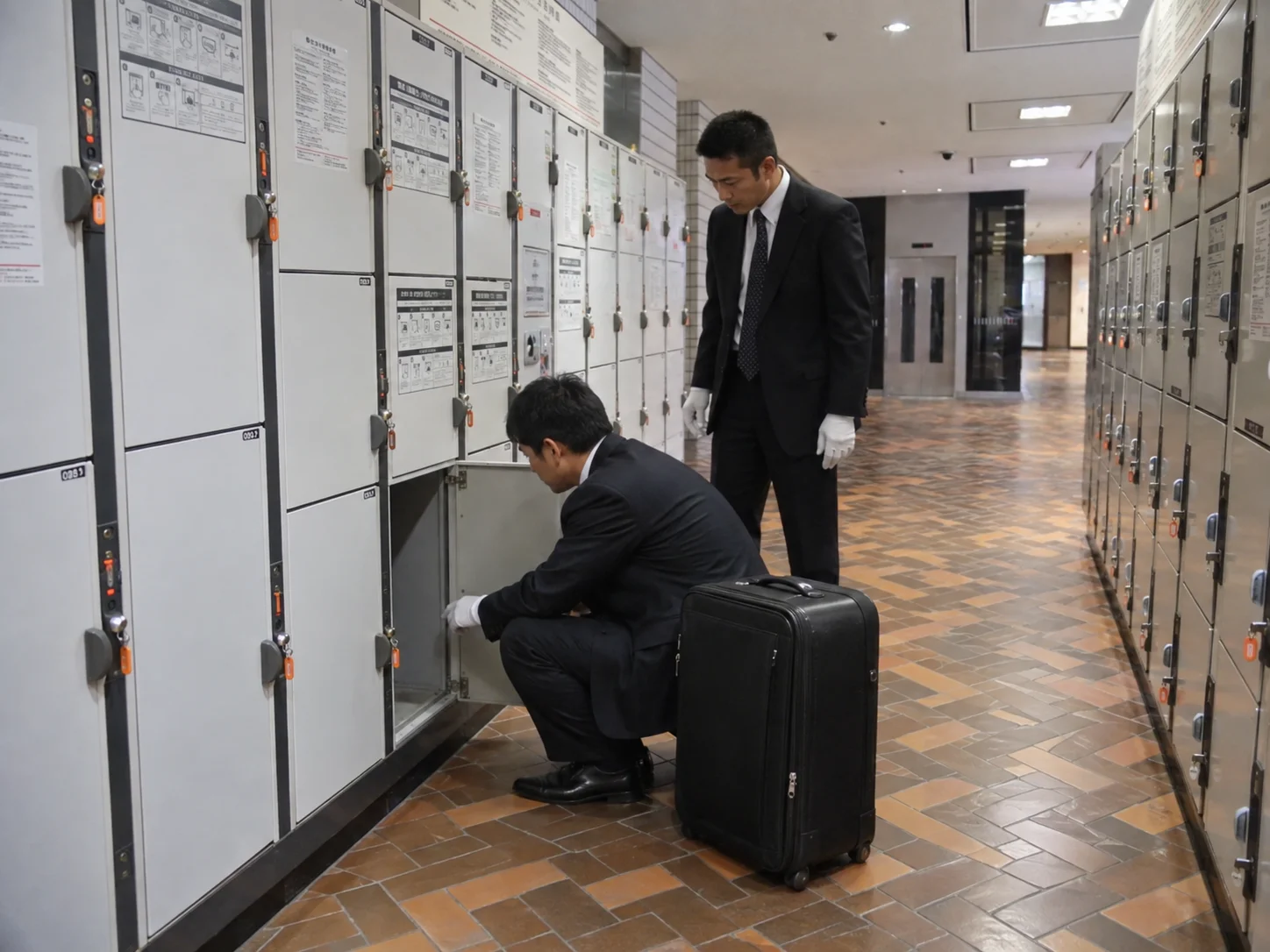
In 1999, Elda Yoneda, a 27-year-old Filipina working at a restaurant in Saitama, disappeared. Nozaki, her boyfriend, was the obvious suspect: fragments of human bone were found in a car he had rented, and her teeth and hair in his home. But he had cut up her body, flushed parts of it and scattered the rest from the car, leaving nothing that could show how she died. He admitted only to disposing of her, saying he had woken to find her dead and was giving her a funeral. Without a cause of death, prosecutors could not charge murder. He was convicted of desecrating and abandoning a corpse, served three and a half years, and was released in July 2003. Both Yoneda and Ratilla were from the Philippines, and both were single mothers raising young sons. Nozaki's phone and bank activity stopped on April 3. On the night of April 6, he was found by a roadside in Saitama Prefecture, about 19 miles away, with self-inflicted wounds too shallow to be a real attempt; police believed it was a show of remorse for the court. On the way to hospital, he gave a paramedic a note directing them to a locker at Hamamatsucho Station. Inside was a suitcase holding ten more plastic-wrapped parts of Ratilla's body, all drained of blood. The head, the legs and the internal organs were missing, and he had cut away patches of skin. He was running the same play as before: lead them to the body, conceal the parts that would show strangulation, admit to disposal and say nothing about murder. This time police kept searching. On April 11 they recovered her head and legs from a nearby river, with clear bruising around the neck, and her organs at a wastewater treatment plant.
"You're My Princess"

Ratilla had come to Japan from the Philippines with her mother as a child. She had her son at nineteen, the father left, and for two years she had raised the boy alone on what she earned at the pub. Nozaki met her there in September 2007 as a customer and became a regular, asking for her every week. He was unemployed but said he worked in business consulting. He did cheap magic tricks, used Filipino phrases, and brought clothes and toys for her son. He told her she was his princess and that he would stay by her side until she came to love him. In November they became a couple. Ratilla wanted a safe apartment for her son, but the rent was $1,500 a month, so Nozaki moved in, and her cousin joined them too. He never paid his share, and the two women covered everything. To afford it, Ratilla moved to a better-paying pub in Roppongi. In February 2008 Nozaki was diagnosed with terminal colon cancer and told he had a year to live. After that he controlled who she saw, turned violent at the slightest offense, and pushed her to work longer hours for more money. Around 4 p.m. on April 3, as she got ready for work, he accused her of dressing up to flirt with other men and told her she was not going. "Fine! You go out and make the money then!" she shouted. He grabbed her throat with both hands, threw her to the floor and strangled her while her two-year-old son watched and cried. Then he took a knife from the kitchen.
Final Thoughts
With the Ratilla case solved, police reopened Yoneda's. Cornered, Nozaki confessed to that murder too, saying he had given her so much love and she had never returned it, and that if he could not keep her beneath him she was better off dead. She had been killed in front of her four-year-old son. He had cut her body into small pieces, boiled parts of it, and scattered the bone fragments around the city from a rented car. A new search turned up human bones, but DNA showed they belonged to neither Yoneda nor Ratilla, and they have never been identified. At his trial in 2009 Nozaki confessed to every charge, without remorse. As an inmate he received surgery for his cancer at public expense. He was sentenced to life in prison, and on appeal the sentence was increased to death. He was never executed. In December 2020 he died in prison of a chronic illness. Whether there was a victim before Elda Yoneda, someone whose bones were never identified, is a question he took with him.
In 1999 Hiroshi Nozaki destroyed so much of Elda Yoneda's body that prosecutors could not prove how she died, and he served three and a half years for abandoning a corpse. Five years after his release he killed again the same way. Should the law allow a murder charge when a suspect has deliberately destroyed the evidence of how the victim died?
WE DOCUMENT.
YOU DECIDE.
Our interpretation is only one possible perspective.

