Episode 146:
After a Mysterious Man Arrived With Flowers, 3 Generations Were Found Dead
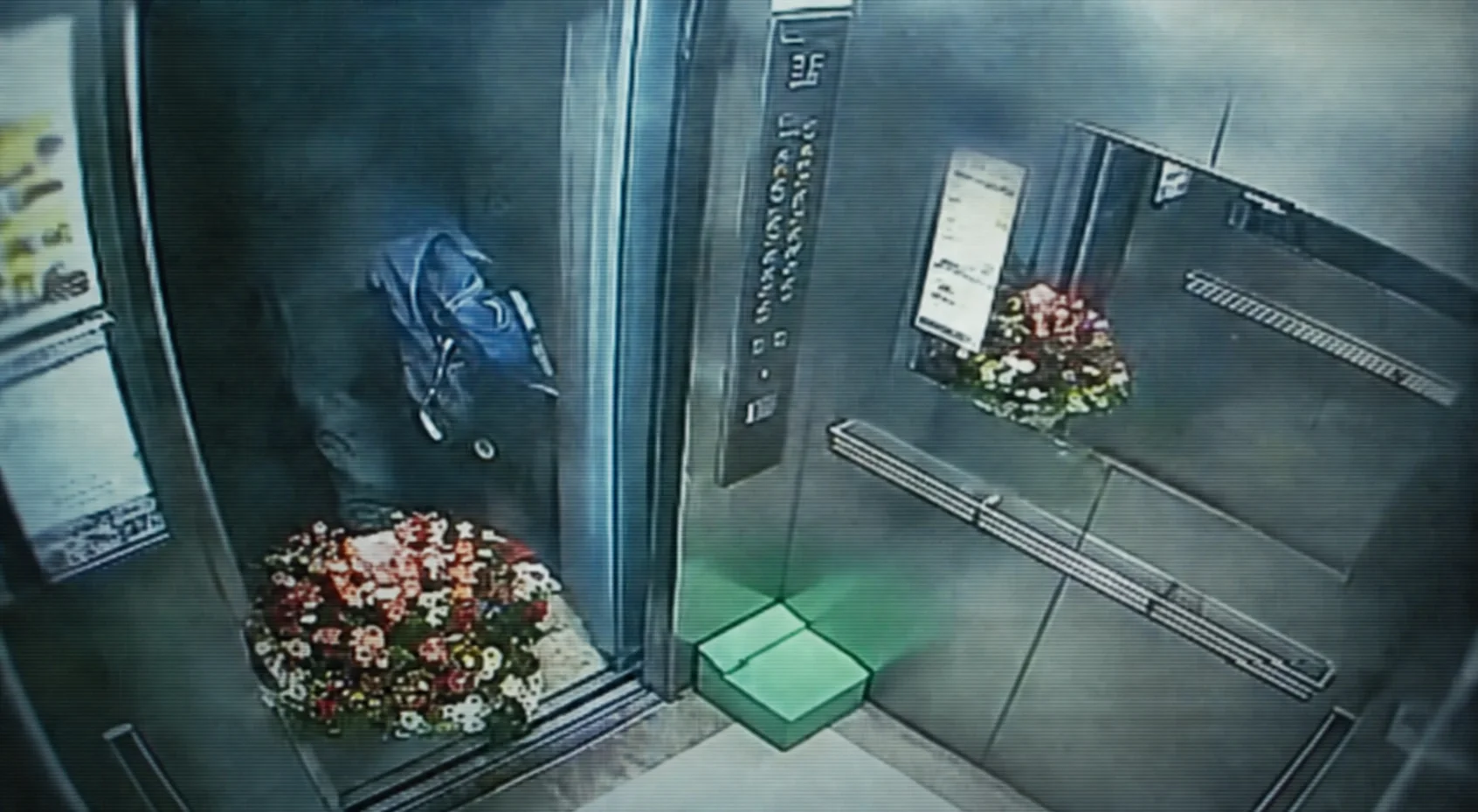
On the evening of September 29, 2014, a 14-year-old girl in Gwangju, South Korea, called her friend in a shaking voice. She had just come home, her mother and grandmother were nowhere to be seen, and she could hear water running in the bathroom. As her friend offered to come over, a scream tore through the phone and the line went dead. The next morning, Mi-young Jang, a student who was never late, didn't show up for school. When her friend told a teacher about the call, the teacher tried Mi-young's mother and grandmother, got no answer, went to the apartment on her lunch break, and called the police when nobody came to the door.
Officers learned that Mi-young's mother, a 41-year-old civilian worker on a military base identified as Kwon, had also missed work without a word, and that the family's phones were all still inside the apartment. They forced their way in. The television was still on. A trail of blood led to a small room, where Mi-young's 68-year-old grandmother, Chae, lay beaten to death, her skull crushed and all twelve ribs broken. A dented, blood-caked frying pan sat on the desk. In the master bedroom, Mi-young was on the bed and her mother on the floor, both strangled, both with their faces wrapped in plastic. A phone charger cord was around Mi-young's neck.
The Man With the Flower Basket
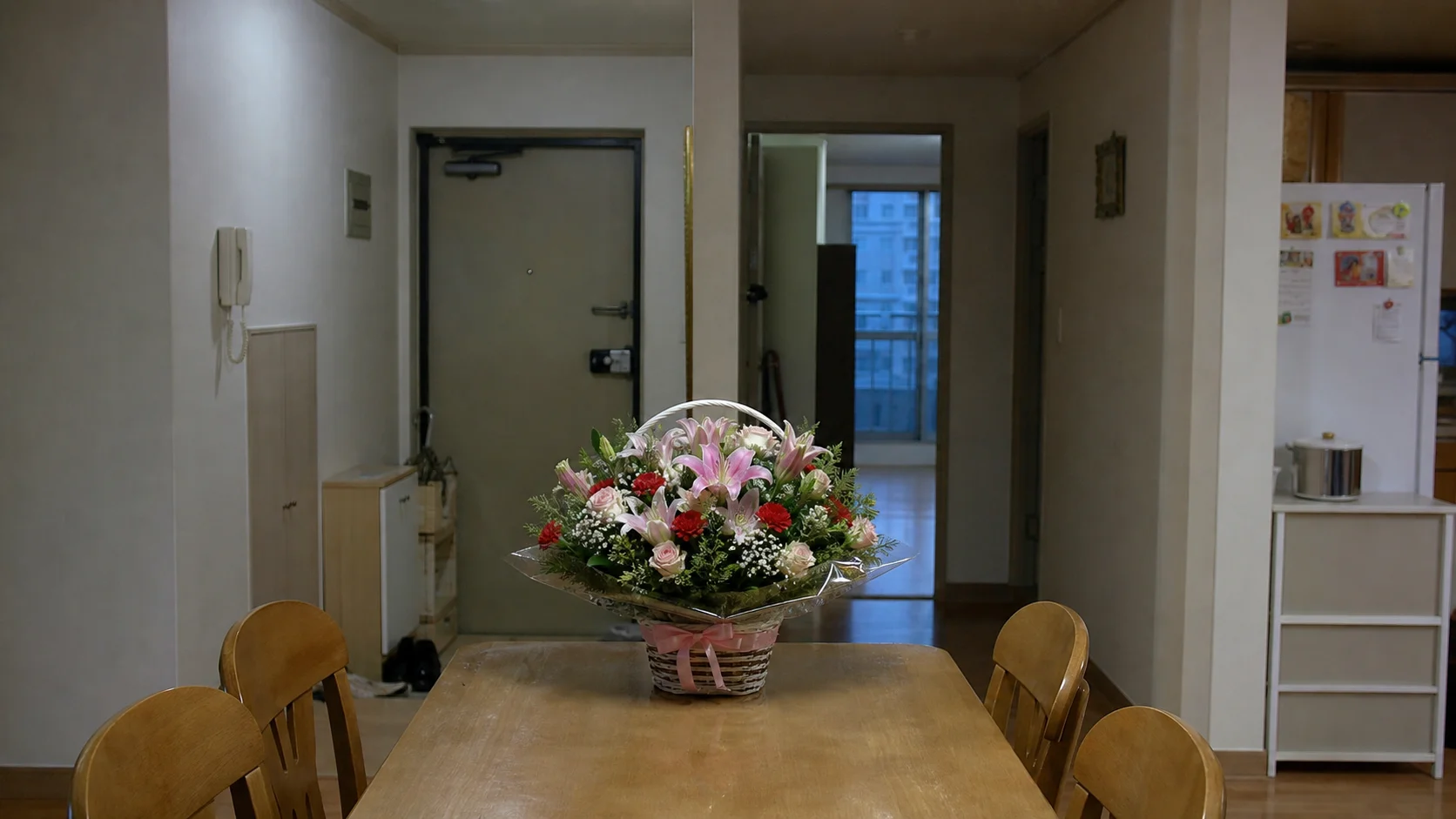
Nothing in the apartment had been stolen or even searched, and there was no sign of a break-in, so police concluded the killer had been let in through the front door by someone who knew him. One object stood out: a basket of fresh flowers on the dining table. Security footage showed a man carrying that basket out of the elevator at 6:10 p.m. and going into apartment 906. The grandmother arrived later, then Mi-young. At around 8:45 p.m., the man left alone, got into a white car parked near a shopping center, and drove away. The footage was too grainy to read the license plate, so detectives worked through every plausible combination of similar-looking digits until they found a car that had been rented that same day and never returned. They traced it by GPS to a remote mountain in Gochang and arrested the renter, a 34-year-old man identified as Kim, at 5 a.m. on October 1.
The Murder He Had Already Walked Away From
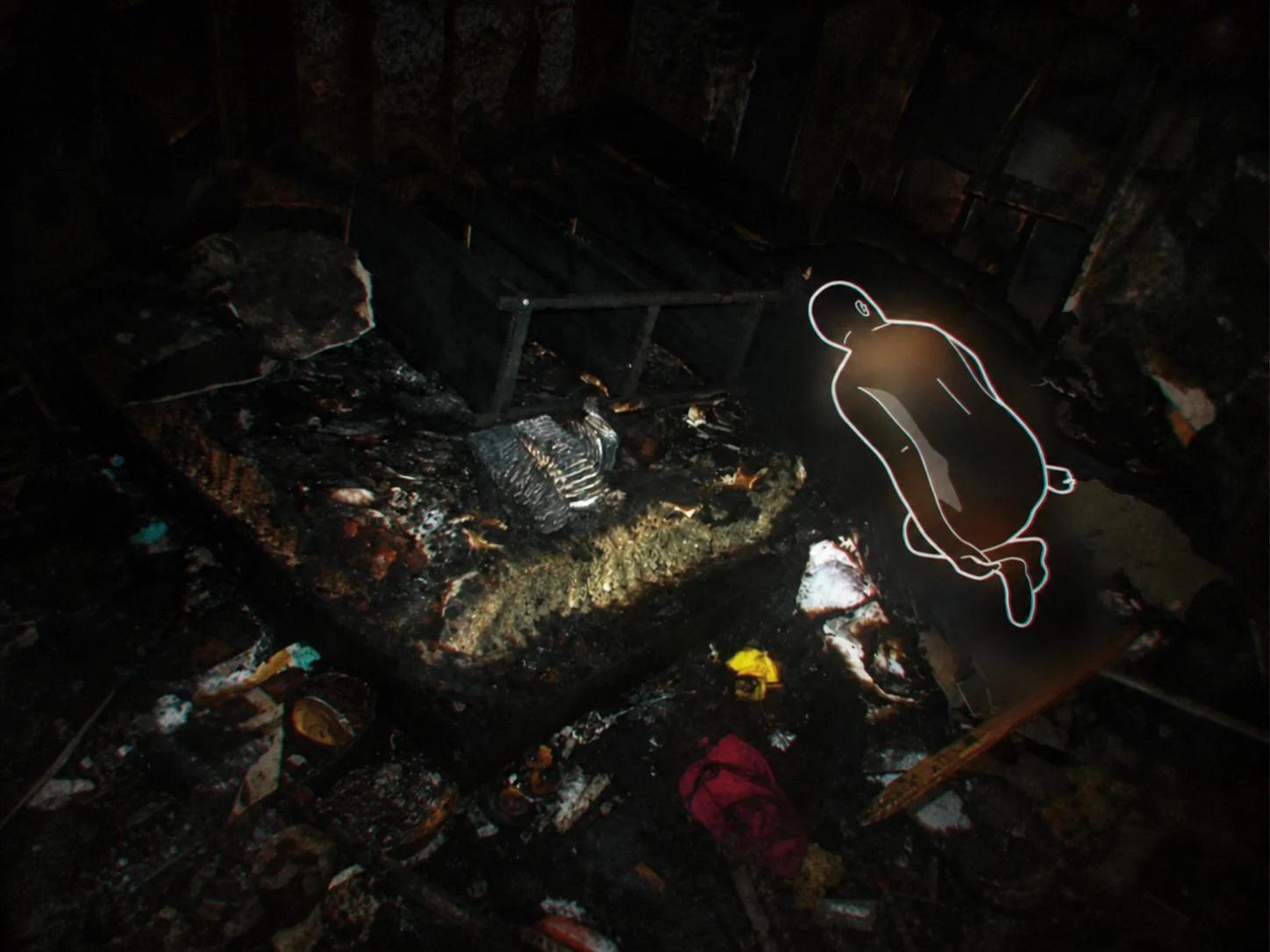
Kim had a prior conviction: five years for rape causing injury. In 2006, he had broken into a women's dormitory at a Jeju Island university where he once worked as a supervisor, raped a student, and stolen her valuables, leaving behind a note telling detectives he would be easy to find but dead before they got to him. A few days later he walked into a police station and turned himself in. Police suspected he was eager to be locked up for a reason. A month before the dorm attack, a 37-year-old woman had been found dead after a fire in a Jeju studio apartment. She had died of asphyxiation before the fire, which had been set to destroy evidence. DNA from a cigarette butt at the scene matched Kim. He argued that someone could have planted it, the court agreed it couldn't rule out a third party, and he was cleared of the murder. He served his five years for the rape and was released a little over two years before the Gwangju killings.
Two and a Half Hours in Apartment 906
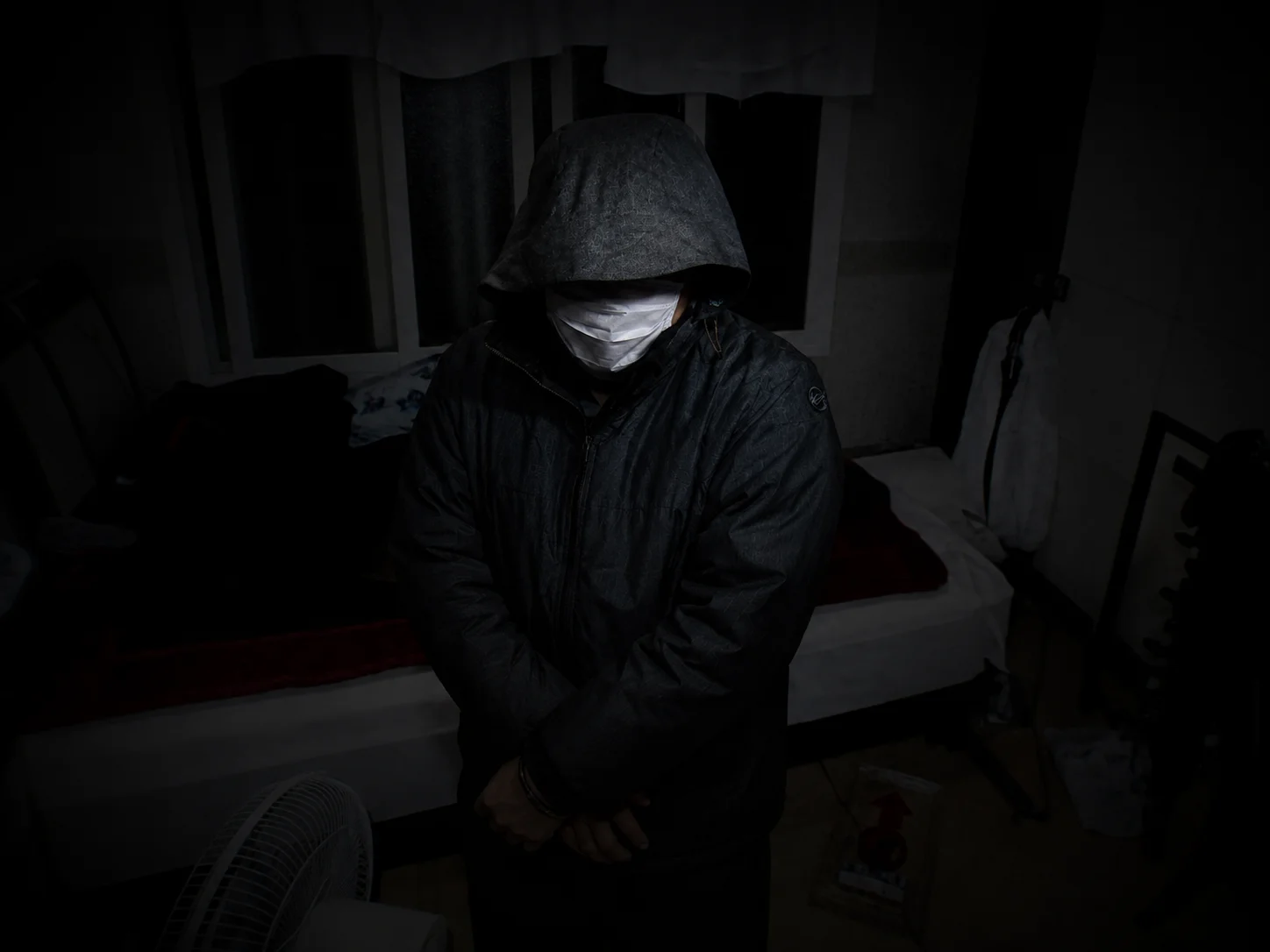
This time Kim confessed, and what follows is his own account. He had met Kwon at a Gwangju nightclub in 2011 and often drove down from Seoul to take her out, posing as a successful businessman in rented luxury cars. On the day of the murders, Kwon suggested they start dating seriously with marriage in mind. Kim told her he was already engaged and thought of her like family. She told him never to contact her again and went home. Kim said he then remembered her once mentioning that she had never been given a single flower in her entire marriage, so he bought a flower basket and went to her door. When she rejected it and told him to get out, he said he felt humiliated. He choked her until she passed out, wrapped her face in plastic wrap from the kitchen, and watched until she stopped breathing. When a friend called Kwon's phone about their dinner plans, Kim answered and invited her up to wait. Something felt wrong to her, and she left. At 7:38 p.m., the grandmother arrived to cook dinner for Mi-young and found her daughter's body. Kim chased her into the small room and beat her with a frying pan for about twenty minutes. He was washing off the blood in the bathroom when Mi-young came home at 8:08 p.m. She found her grandmother and screamed. Kim came up behind her, dragged her to the master bedroom, and killed her beside her mother.
Final Thoughts
Kim's version leaves a question it never answers. He was inside for an hour and twenty minutes before the grandmother arrived, with every chance to leave after the first murder, yet he stayed, answered the phone, and tried to lure a fourth person upstairs. In January 2015 he was sentenced to life in prison, and his appeals were dismissed. In March 2026, he died by suicide in Haenam Prison, eleven years into his sentence. Kwon had been lonely after her divorce and hoped she had found someone to rely on. Her mother had only come over to feed her granddaughter, and Mi-young had only come home from school. Had the Jeju court reached a different verdict in 2006, all three might still be alive.
In 2006, a court cleared Kim of a murder on Jeju Island even though his DNA was on a cigarette butt at the scene, accepting that someone else might have planted it. Eight years later he killed three members of one family. How much certainty do you think a court should require before convicting on DNA evidence alone, knowing what an acquittal cost in this case?
WE DOCUMENT.
YOU DECIDE.
Our interpretation is only one possible perspective.

