Episode 105:
"I'd Rather Become a Murderer." She Meant It.
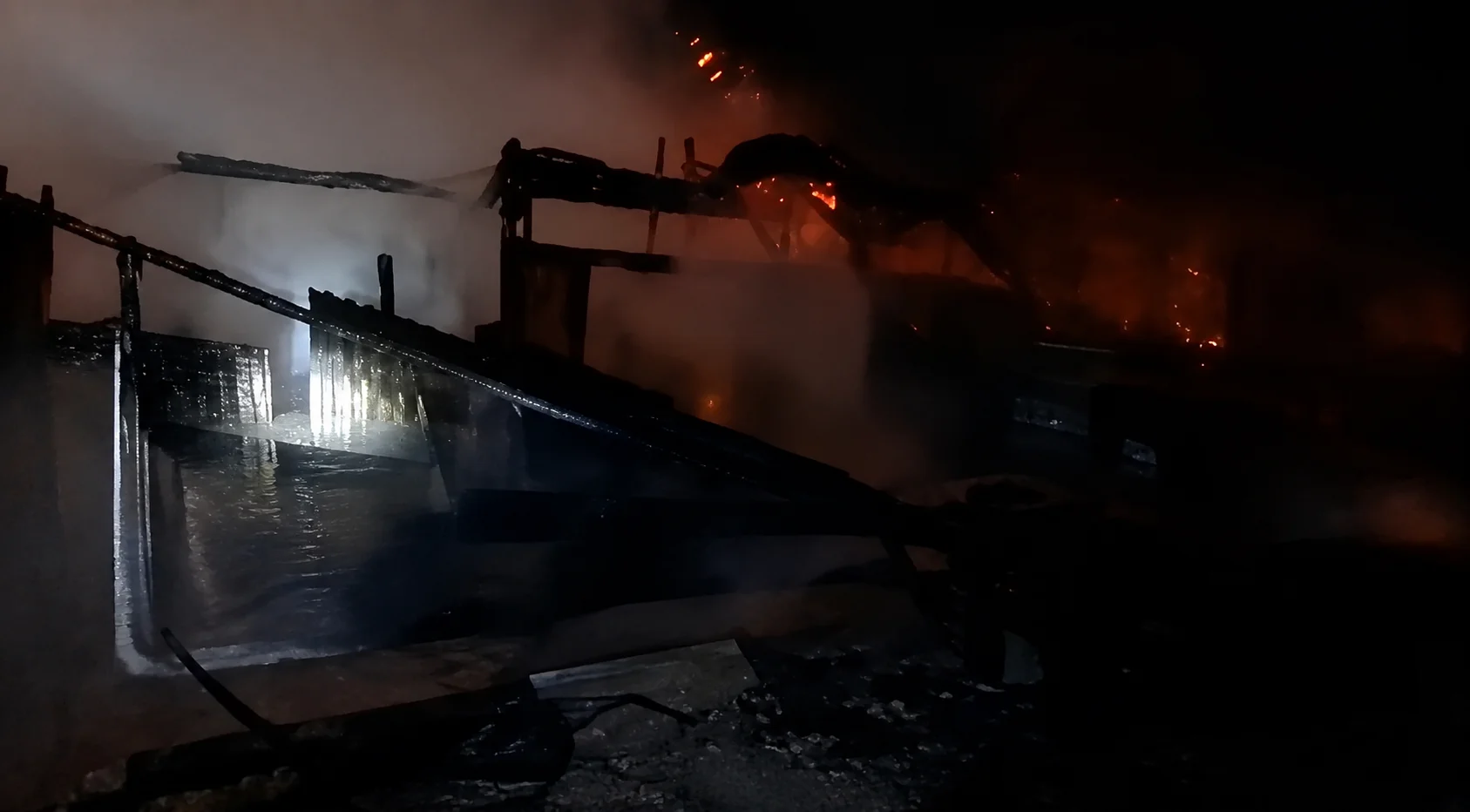
On May 11, 2024, a fire broke out in a small house in Impi, a rural town in Gunsan, South Korea. By the time it was extinguished, a thirty-seven-year-old man was dead. The woman who set the fire, forty-two-year-old Ji-yeon Kim, didn't run. She stayed, and told police exactly what she'd done — and why.
"If the fire had gone out, I would have died." That single sentence, spoken by Ji-yeon herself, would later be used by prosecutors as proof she intended to kill him. But to understand why she said it, you have to understand the years that came before it.
Thirty-One Calls to Police
Ji-yeon and her boyfriend had been together for years, and for most of that relationship, the violence never stopped. Police records showed thirty-one separate emergency calls tied to the couple — reports of assault, threats, and abuse — yet almost none of them led anywhere. Charges were dropped, calls were logged and closed, and Ji-yeon was sent back into the same house with the same man, again and again.
He wasn't a first-time offender either. He had already served a prison sentence for a prior aggravated assault conviction against her. To anyone reading the case file, the pattern was undeniable — but on paper, each individual incident looked survivable enough to let go.
Release Day
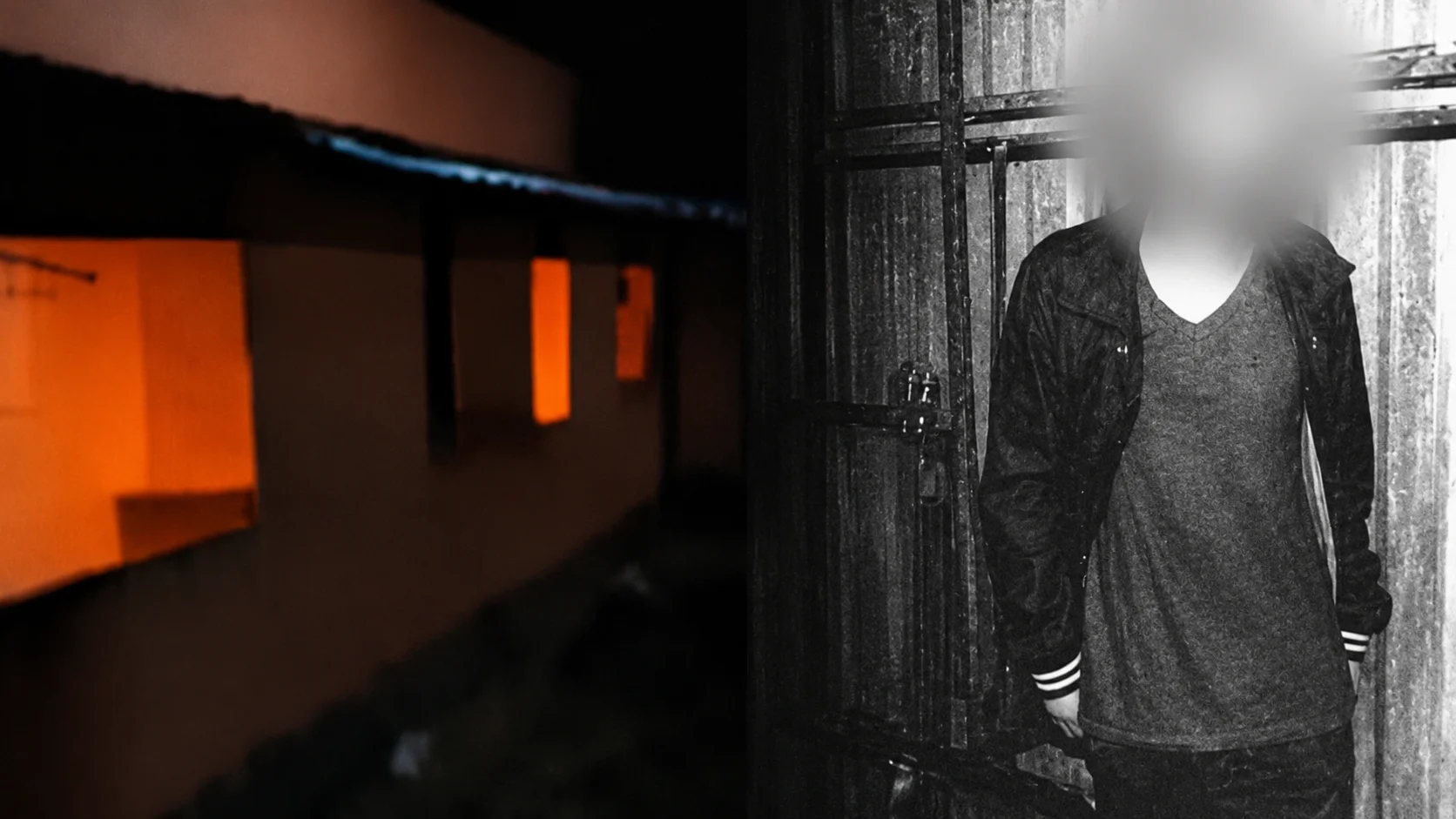
In May 2024, he was released from prison. Ji-yeon knew what that meant better than anyone. Within days of his release, he beat her for two straight days — not a single outburst, but a sustained, prolonged assault that left her convinced she wouldn't survive if she stayed in that house with him any longer.
She tried to escape the only way she could think of that wouldn't put her directly in front of his fists again. Her first attempt was to set fire to a nearby greenhouse, hoping the smoke or the chaos would give her an opening to get away. It failed. He was still there, still awake, still a threat.
The Night of May 11
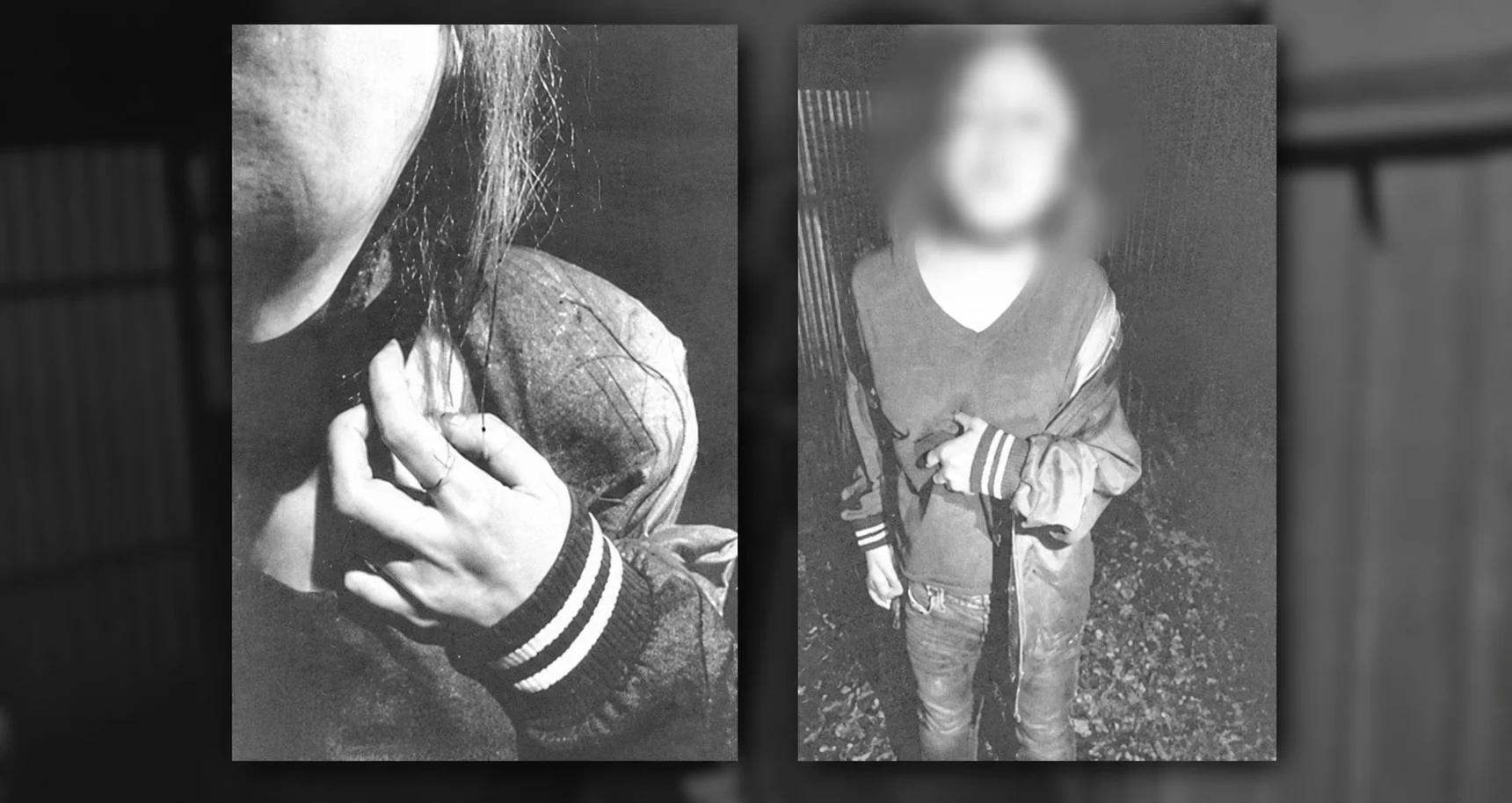
That night, while he slept, Ji-yeon set fire to his blanket. She would later tell investigators she didn't run afterward because she genuinely believed that if the fire didn't work, he would kill her once he woke up — hence her own words: if it had gone out, she was the one who wouldn't have made it out alive. He died in the fire. She was arrested and charged with arson resulting in death.
A Rejected Defense
At her first trial in August 2024, Ji-yeon's defense argued self-defense — that after years of documented, repeated, escalating abuse that the system had failed to stop, she had acted to save her own life. The court didn't accept it. Prosecutors pointed to her own statement about the fire as evidence she intended for him to die, not merely to escape, and the court agreed. She was convicted of arson resulting in death and sentenced to twelve years in prison.
Her lawyers appealed, and in April 2025, the appellate court took a somewhat different view. It found that the act wasn't premeditated, but a spontaneous decision made in a moment of diminished mental capacity after sustained, severe abuse. The sentence was reduced from twelve years to ten. It still wasn't the acquittal or the leniency her defense had hoped for, but it was, at least, an acknowledgment of the context the first trial had largely dismissed.
Final Thoughts
Ji-yeon never got the chance to take her case further. During a routine prison transfer, she was asked to sign paperwork and unknowingly signed a form withdrawing her appeal — closing off any path to the Supreme Court and finalizing the ten-year sentence before she fully understood what she'd agreed to.
This case sits differently than most of the stories we cover. It isn't about a predator hunting a victim — it's about a woman the system heard from thirty-one times and failed to protect, who made a desperate choice on what she believed was the last night she'd survive. Whether that choice deserved twelve years, ten years, or none at all is a question this case leaves the audience to sit with, not one with an easy answer.
The court rejected Ji-yeon's claim of self-defense and treated her own words — "if the fire had gone out, I would have died" — as proof of intent to kill rather than proof of how desperate she was. Do you think the courts got this right, and where should the line be drawn for victims who fight back?
WE DOCUMENT.
YOU DECIDE.
Our interpretation is only one possible perspective.

