Episode 174:
"I Want Juicy Steak Before Prison" The Savage Murder of a Korean Student That Shocked Australia
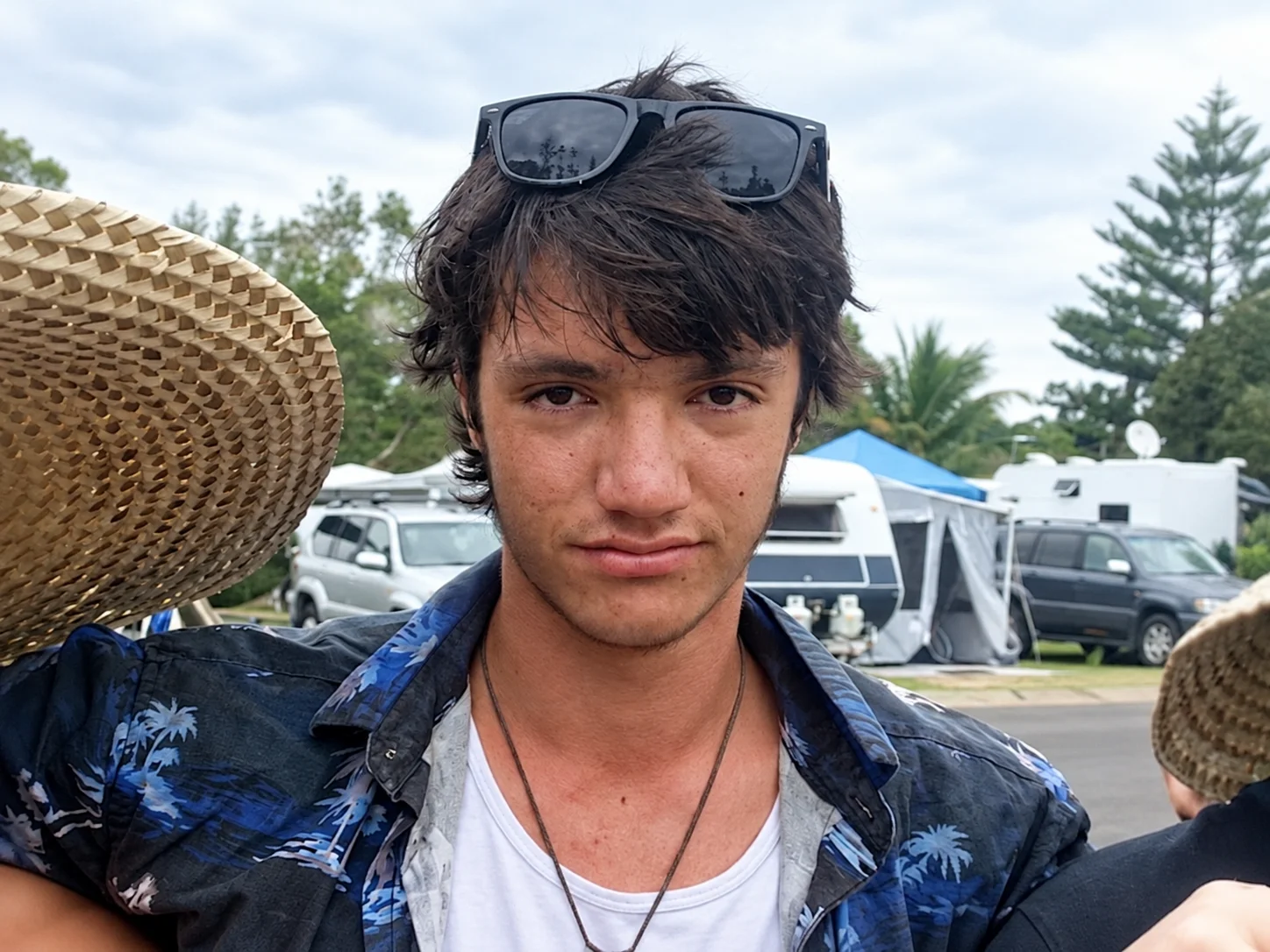
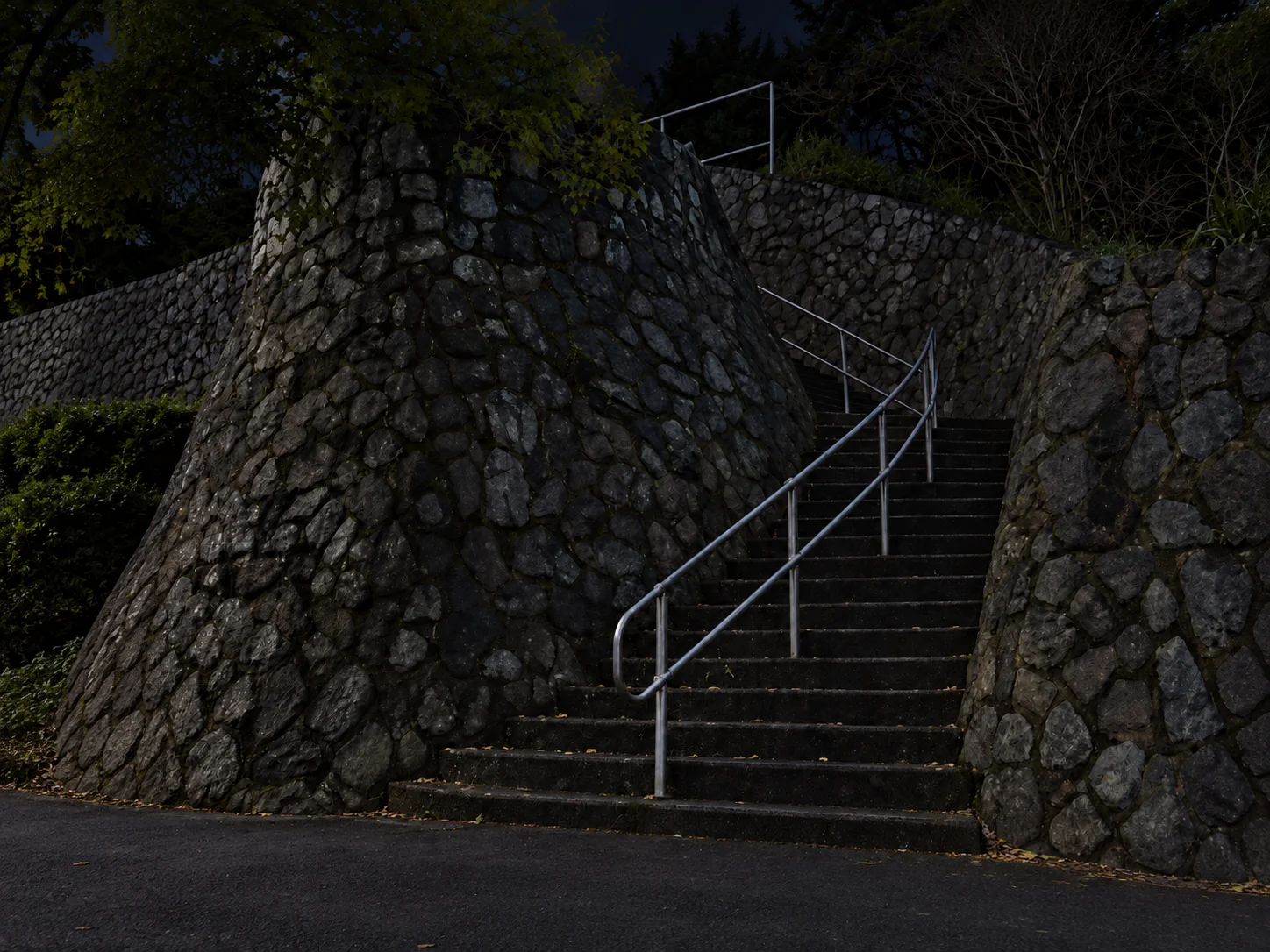
At 4:40 a.m. on November 24, 2013, a man walking home from a night shift in Brisbane, Australia, took his usual route past Wickham Park and heard something like gasping. As he turned toward the park, a shirtless man ran out of it. Inside, a trail of blood ran from the sidewalk to the top of the park stairs. Clumps of blood-soaked hair were stuck to the railings, and more hair hung in the branches of a pine tree at the top.
Beneath the tree lay a young woman, covered in blood and barely breathing. Her face had been punched and stomped until the bones were shattered, her teeth were broken, and blood had filled her airway. Paramedics performed CPR, but she died at the scene.
A Month in Australia
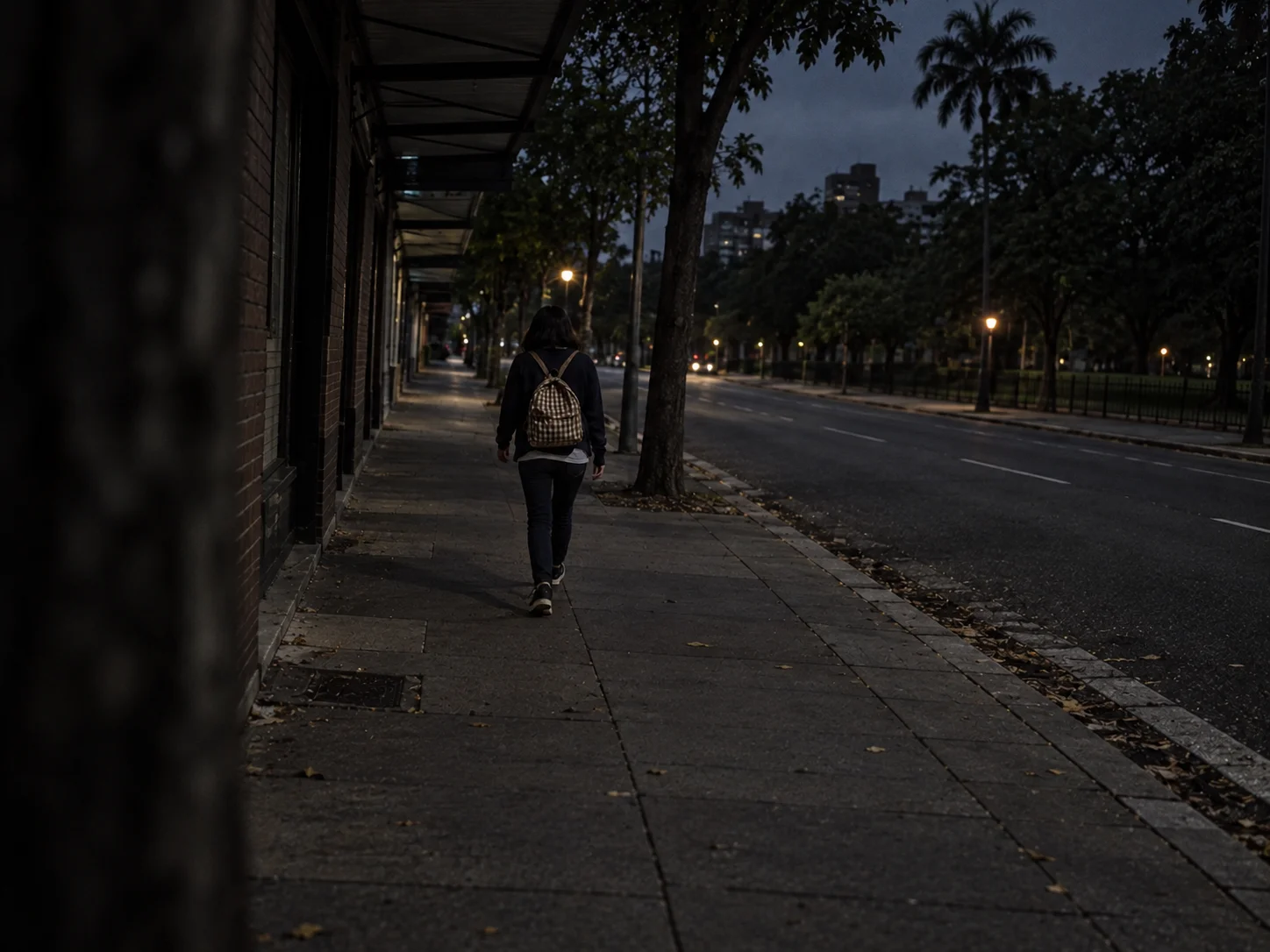
There was no weapon. A shoe print was stamped on the woman's face; she had been beaten to death with hands and feet. Her phone and cards were still there, and there was no sign of sexual assault. Her face was too badly injured to recognize, and all police could tell was that she was an Asian woman in her twenties. Australia does not fingerprint all its residents, only people in criminal cases or applying for visas, so the chance of a match was slim, but her prints matched. She was Eun-ji Ban, 22, a college student from Busan, South Korea. She had long dreamed of seeing the world and living abroad, saved for a year, and arrived on a working holiday in October 2013. She studied English at a language school, took Spanish in her spare time, and cleaned a hotel early in the mornings to pay her way. She was walking to that job when she was attacked. After one month in the country, she had no time to make enemies. Police concluded it was a random attack.
The Phone Call

Under her body lay a blue shirt, and the witness had seen a shirtless man run out of the park. Police split into two teams, one tracing the shirt and one checking cameras and witnesses, but a slim, nearly six-foot man without a shirt proved surprisingly hard to track. On November 25, two men walked into a police station. A friend had called them around 5 a.m. the previous day, they said, to tell them he had killed a girl he met while out on a walk, and that before he went to prison, he wanted a big, juicy steak. They took it for a joke until news broke of a woman murdered in a park. The caller was Alex Reuben McEwan, 19. He lived with his parents in a city apartment, went to church on weekends and had no history of violence. Footage from his building showed him running in shirtless at about 5 a.m. that morning. He was arrested at home for murder.
Jeji
McEwan told police a demon named Jeji had lived in his head since he was seven: a goat-horned, fur-covered creature with claws and hooves, like the Greek god Pan, whispering day and night that he should kill people. He said he banged his head against things to make it stop. His family knew of episodes of blurred vision, of him saying he could not tell left from right and felt a ball rolling inside his head, and, from sixteen, of withdrawal, a short temper, screaming in his sleep and pounding on walls, though never violence toward anyone else. On November 23 he left his debit card at a driving range and raged that things like this always happened to him. That night he drank and smoked marijuana with friends. Around 4 a.m. he woke, walked toward Wickham Park hearing "Kill, kill, kill," and saw Eun-ji walking alone. He punched her without warning. She screamed and tried to run; he choked her to the ground, punched her face, then stood and kicked and stomped on her until she lost consciousness. He dragged her up the stairs, her hair tangling in his bloody hands, and hung it on the railing. At the pine tree he took off his shirt, spread it on the ground, pulled her onto it while she was still struggling to breathe, and hung more of her hair in the branches like ornaments. When a taxi passed, he lay down beside her and pretended to be drunk, then ran once it had gone.
Final Thoughts
McEwan said the voice vanished the moment she died, and that he went home and prayed it had been a dream. But he had pretended to be drunk to avoid suspicion, went to get treatment for the hand he sprained in the attack, and told coworkers the next day that he had hurt it at a skate park. Prosecutors argued he was in control of himself and exaggerating his schizophrenia. The debate over his mental state delayed the trial for years. In court he hit himself in the head and shouted that Jeji was making him attack the prosecutor. He blamed the demon throughout and never apologized to Eun-ji's family. In August 2018 a jury unanimously found him guilty of murder, and he was sentenced to life in prison with no parole for 20 years. Eun-ji had come to Australia to learn, to meet people and to see the world, and had been there one month.
Alex McEwan said a demon had told him to kill since he was seven, yet during the attack he pretended to be drunk when a taxi passed, and afterward he lied to coworkers about his injured hand. How should courts weigh a claimed mental illness against signs that a killer understood what he was doing?
WE DOCUMENT.
YOU DECIDE.
Our interpretation is only one possible perspective.

