Episode 111:
The Perfect Alibi, The Perfect Trap: The Betsy Faria Murder Case

In 2008, Russell Faria was starting a new life in Missouri. He'd remarried — to Betsy Faria — and become stepfather to her two daughters, building what felt like a happy blended family. Only two years in, tragedy struck: Betsy was diagnosed with breast cancer. Russell threw himself into researching treatments and caring for her, but the cancer spread to her liver, and her doctor eventually told her she didn't have much time left. Betsy, devastated, began praying for death — but worried about the toll her illness was taking on her husband, she urged him to take one evening a week for himself. Every Tuesday at six, he'd meet friends for food, games, and a workout. They called it "Game Night."
On Tuesday, December 27, 2011, Russell left home at six and arrived at his friend Michael's thirty minutes later. The four of them watched two movies, ate popcorn, and talked — a rare break from worrying about his sick wife. He said goodnight around nine and got home at 9:40. The house was silent. Assuming Betsy had come home tired from her doctor's appointment and gone to bed, he walked into the living room and found her under the sofa — wrist severed, body covered in stab wounds, a knife lodged in her neck.
A Husband's Strange First Words
Russell called 911 in a panic; the paramedic later described him as hysterical. When police arrived and saw over fifty stab wounds, they immediately concluded homicide — and Russell's first explanation, suggesting suicide, struck them as exactly the kind of story a guilty husband would offer to throw them off. A pair of blood-stained slippers found in his closet only deepened their suspicion. When he was given a polygraph and asked if he'd killed Betsy, he said no — and the test flagged it as a lie. The day after her funeral, Russell was arrested for first-degree murder.
But his alibi held up on paper: he'd left at six, arrived at Michael's at 6:30, left at nine, and gotten home at 9:40 — nearly twenty miles from the house the whole time, confirmed by phone records, credit card statements, and three friends. The autopsy placed Betsy's death between 7:20 and 9:41 p.m., squarely inside that window. His defense also pointed out the obvious problem with the slippers: someone who'd inflicted fifty stab wounds would have blood everywhere, not confined neatly to a pair of shoes left in plain sight in his own closet — exactly where police would look first.
The Best Friend's Story

Prosecutors countered that Russell's friends were lying for him — that they'd conspired to fake his alibi using his phone and credit card while he committed the murder. The case's key witness was Betsy's best friend, Pam Hupp, who had driven her to and from a hospital appointment that same day and was the last person known to have seen her alive. Pam told police that after dropping Betsy off, she'd noticed a suspicious car across the street with a man inside who resembled Russell. She also said Betsy had confided in her about years of abuse from an alcoholic husband, that Betsy had been suicidal, and that Betsy had recently considered divorce — and pointed investigators to Betsy's laptop, where a diary detailed fear that "my husband could kill me at any moment." The testimony, combined with the diary, sank Russell's case. He was convicted of first-degree murder and armed criminal action and sentenced to thirty years without parole. His friends, despite being accused of conspiring with him, were never charged.
The Insurance Money
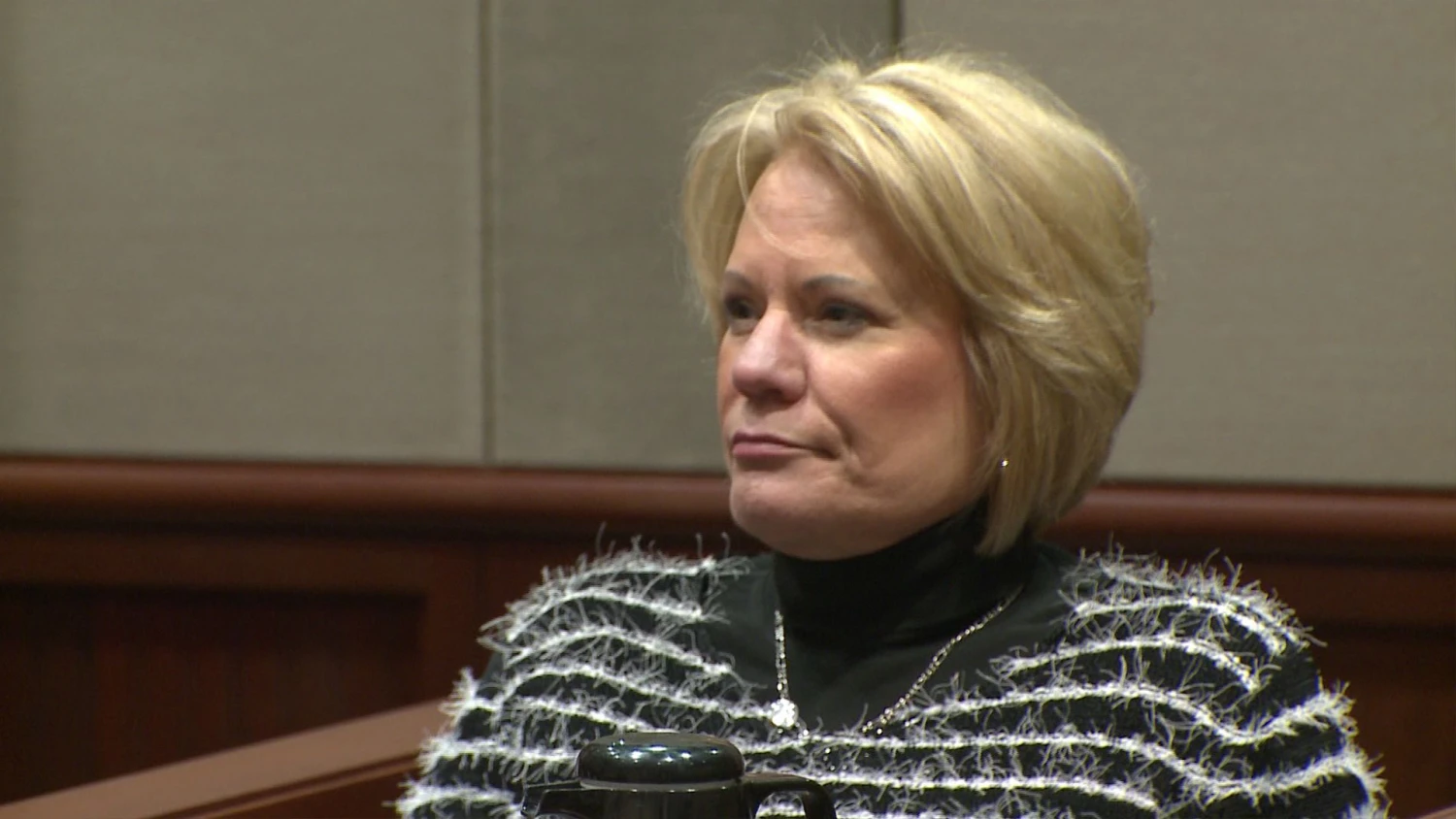
Russell maintained his innocence from prison and was denied a new trial — until January 2014, when the media abruptly began naming a different suspect entirely: Pam. The trigger was a $150,000 life insurance policy that Pam, not Betsy's own family, had collected. A reporter digging into her background found two prior convictions, both for insurance fraud. It also turned out that during Russell's original trial, his own lawyer had already pointed at Pam — noting that her cell phone data placed her lingering at Betsy's house for roughly thirty minutes after she claimed to have already left, more than enough time to commit a murder. The insurance policy itself was suspicious too: it had originally been set to pay Betsy's husband and daughters, only to be quietly reassigned to Pam just five days before Betsy died. Pam's explanation — that Betsy feared Russell would take the money and wanted Pam to pass it to her daughters — was, at the time, accepted, and Russell's claims were dismissed. But the media coverage grew too large to ignore, and three years into his sentence, Russell was granted a retrial.
The Diary That Didn't Add Up
His new defense team dismantled the case piece by piece. The laptop diary, it turned out, had been created in Word 97 — a program that was never installed on Betsy's computer, meaning the file had been written elsewhere and planted. A CSI re-examination of the bloody slippers found the stains hadn't come from someone wearing them; they'd been artificially stamped on. The two central pieces of evidence from the first trial were gone. Pam, confronted, admitted she'd taken the insurance money but claimed it was meant for Betsy's daughters, placed in a trust — except the trust held only $100,000 of the $150,000, and when asked where the rest went, she claimed she'd donated it to the children of another friend who'd died of cancer, a story investigators found to be false. Finally, she admitted she'd simply kept some of it out of greed — but insisted she had nothing to do with the murder itself.
A neighbor's testimony proved decisive: they had personally seen both women enter the house together and confirmed Pam stayed inside for a good thirty minutes, not the few she'd claimed. The estimated death window traced back to Betsy's daughter calling her mother at 7:21 p.m. and getting no answer — meaning, if the neighbor was right, Pam was very likely still inside the house at the moment Betsy died. Nearly five years after his wife's murder, Russell Faria was acquitted and walked free.
Two More Deaths
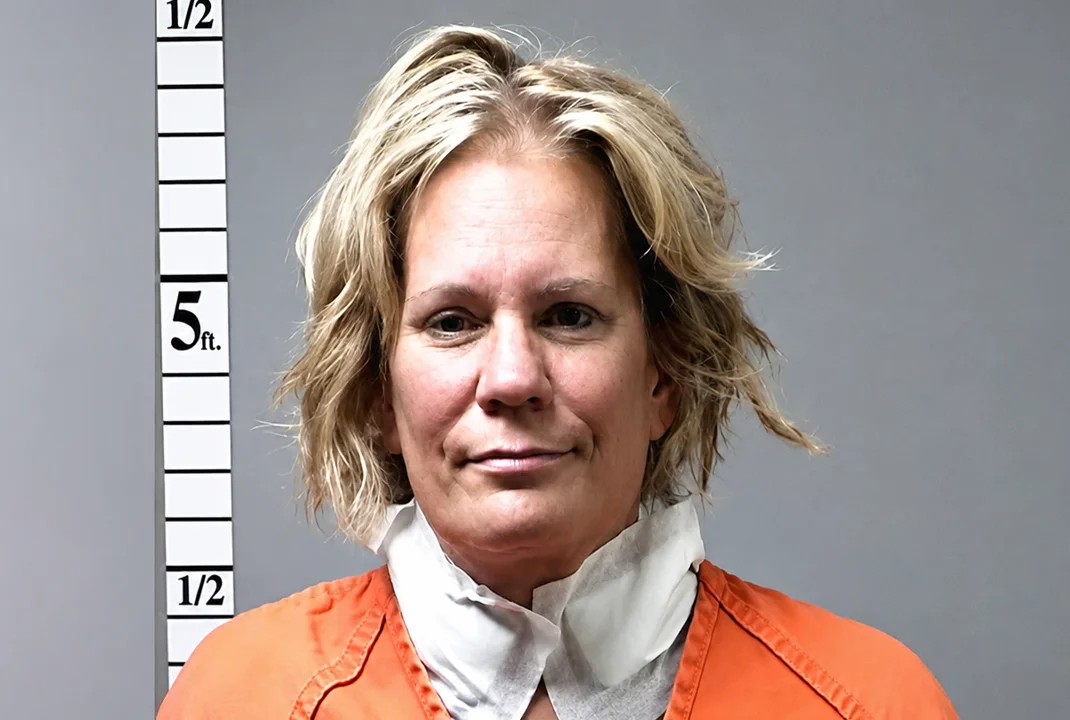
Before investigators could turn their attention to Pam for Betsy's murder, she shot and killed a man named Louis in her home in August 2016, claiming self-defense against a knife-wielding intruder she insisted was a hitman sent by Russell. Louis, however, had suffered a traumatic brain injury in a car accident eleven years earlier that left him severely disabled and barely able to communicate — hardly a plausible hired killer. An anonymous tip revealed Pam had been posing as a TV producer offering Louis $1,000 to reenact a police-call scene for a supposed dramatization of the Betsy case; $900 was found in his pocket, $100 in Pam's closet, the bills consecutively numbered, tracing directly back to her. A note in his pocket reading "Get Russell's money, kill her" was, on handwriting analysis, written by Pam herself — a scheme to frame Russell a second time.
While investigating, police also uncovered the death of Pam's own mother, Shirley, who fell from a waist-high balcony railing in October 2013 despite being frail, dementia-stricken, and barely able to walk without assistance — a death originally ruled accidental. Her system contained eighty-four micrograms of Zolpidem, more than eight times a normal therapeutic dose, and the last person recorded visiting her that day was Pam, who collected $220,000 in life insurance afterward.
Final Thoughts
In August 2019, Pam was convicted of Louis's murder and sentenced to life without parole. A reinvestigation into Betsy's death led to a first-degree murder indictment against Pam in 2021, a full decade after the original crime — a case that, as of this telling, is still working through the courts, though Pam's existing life sentence means she'll never walk free regardless of its outcome. Her mother's death remains formally unresolved.
For Russell, exoneration came at a cost that never fully healed — Betsy's daughters, who had spent years believing their stepfather murdered their mother, later apologized and asked his forgiveness once the truth came out, but a lawsuit over the insurance money went nowhere, since Betsy had legally signed the policy over to Pam before her death. The case became a national story and a six-part miniseries; Pam, reportedly reveling in the attention within prison, was eventually placed in solitary confinement after treating her notoriety like celebrity status among other inmates. Russell has said publicly he opposes the death penalty for her — not out of sympathy, but because he believes a lifetime spent in prison reflecting on what she did is the harsher sentence.
Russell Faria spent nearly five years in prison for a murder committed by his wife's best friend, while that same friend later killed two more people and was never charged in the case that started it all. What do you think it says about how easily an investigation can lock onto the wrong person once a story feels convenient?
WE DOCUMENT.
YOU DECIDE.
Our interpretation is only one possible perspective.

