Episode 123:
The Disappearance of the Man Who Made Korea's Top Stars
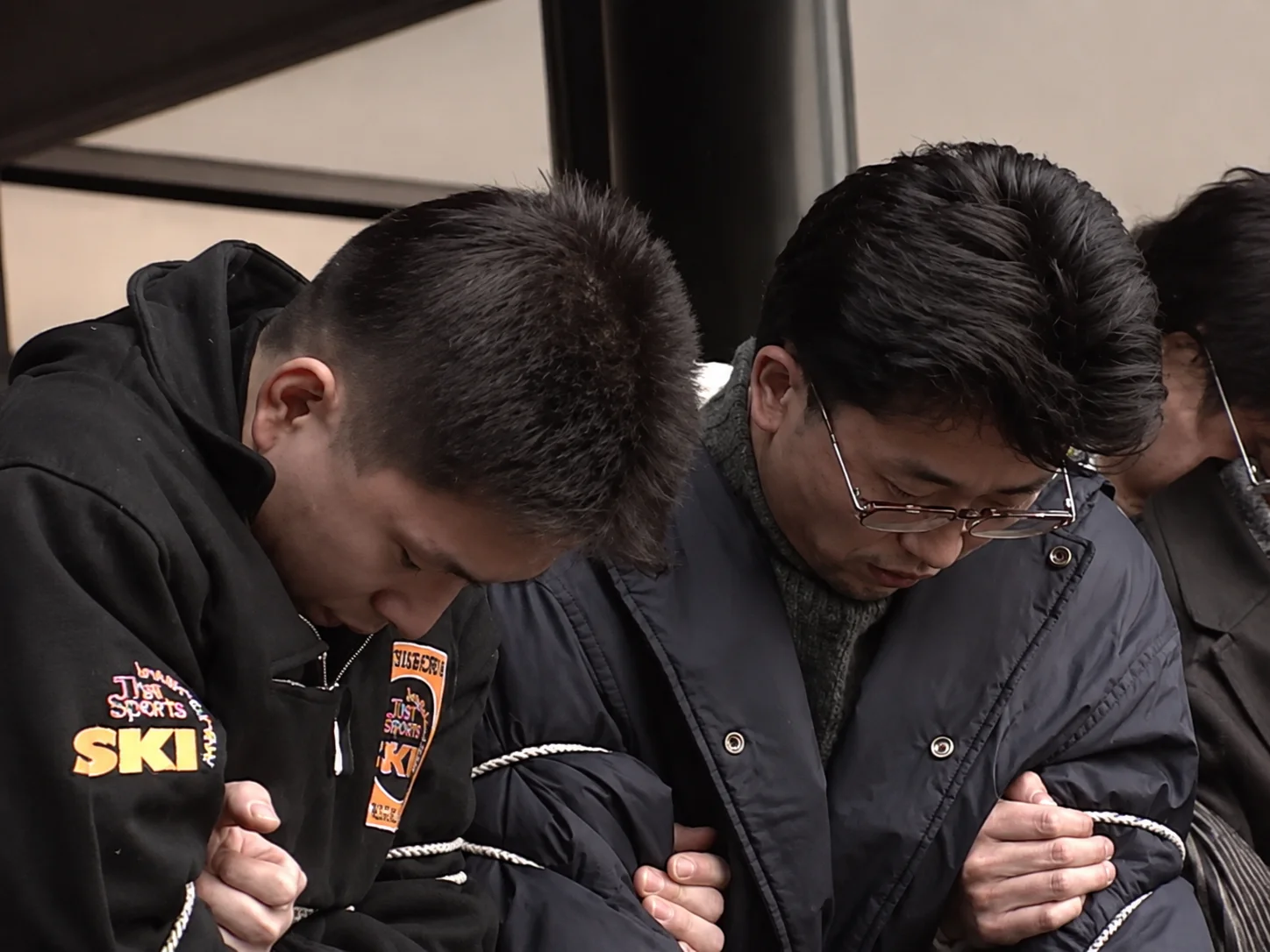
Byeongsu Bae was the ultimate star-maker, launching 1990s icons like Jin-sil Choi and Min-soo Choi into the spotlight. Then one day, at the age of thirty-six, at the very peak of his power, he vanished without a trace. Behind the flashing cameras and a shocked public, what was the real truth behind that day?
In mid-December 1994, Byeongsu Bae was reported missing to the Seocho Police Station in Seoul. A week earlier, on the night of December 11 at 11 p.m., he'd been having drinks with a female celebrity at a hotel in Seocho — and then simply disappeared. He often took off on unannounced trips, so his family wasn't immediately alarmed, and in an era before cell phones, waiting was really all they could do. A day or two, understandable. A full week of silence was not.
Blood on the Bedroom Floor
When investigators reached Bae's home, they knew immediately something was wrong — the front door was cracked open, and inside, no sign of life. His wallet and personal items were missing, along with three kitchen knives. The most telling discovery was in the master bedroom: a patch of blood, dried hard into the floor. This was no ordinary missing persons case.
Bae hadn't started in entertainment — under his birth name, Seok-bong Bae, he'd been a popular accounting tutor known for his charisma. A connection through a military friend, singer Hak-rae Kim, gave him his first glimpse of the broadcasting world, and he was instantly captivated by its lights and money, convinced he could build stars better than anyone. After early struggles as an inexperienced road manager, his breakthrough came in October 1988, when he spotted star potential in an unknown rookie actress and signed her on the spot — meticulously engineering her roles, image, and commercial deals. That actress became Jin-sil Choi, one of the biggest names of the decade. Success brought a flood of other stars to him — Min-soo Choi, Jung-hwa Uhm, Joon-ho Heo, Young-jae Dokgo — forming what became known as the "Byeongsu Bae Division." In 1993, media even named him one of the ten most influential figures in Korean broadcasting, a striking honor for a manager rather than a performer or producer.
A Reputation in Freefall
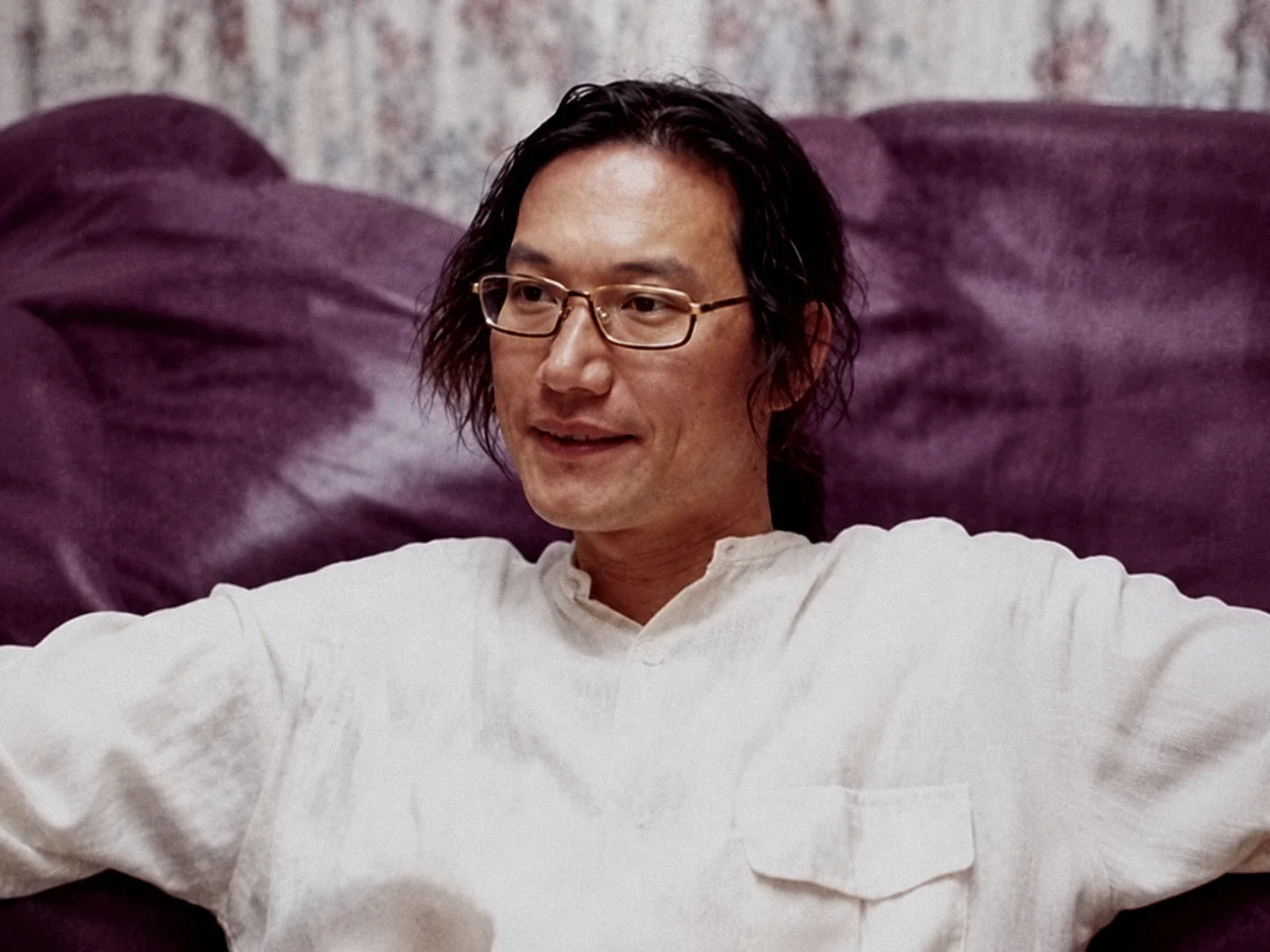
Success cast a longer shadow. Late 1993 brought scandal — accusations of forcing stars into unfair contracts, withholding pay from managers, and a widely reported reputation for arrogance and cruelty toward subordinates. His public standing collapsed, prompting him to leave the country temporarily. By late 1994, he was already attempting a comeback — and on the night of the incident, met an actress for drinks at a Seocho hotel, never to be seen alive again.
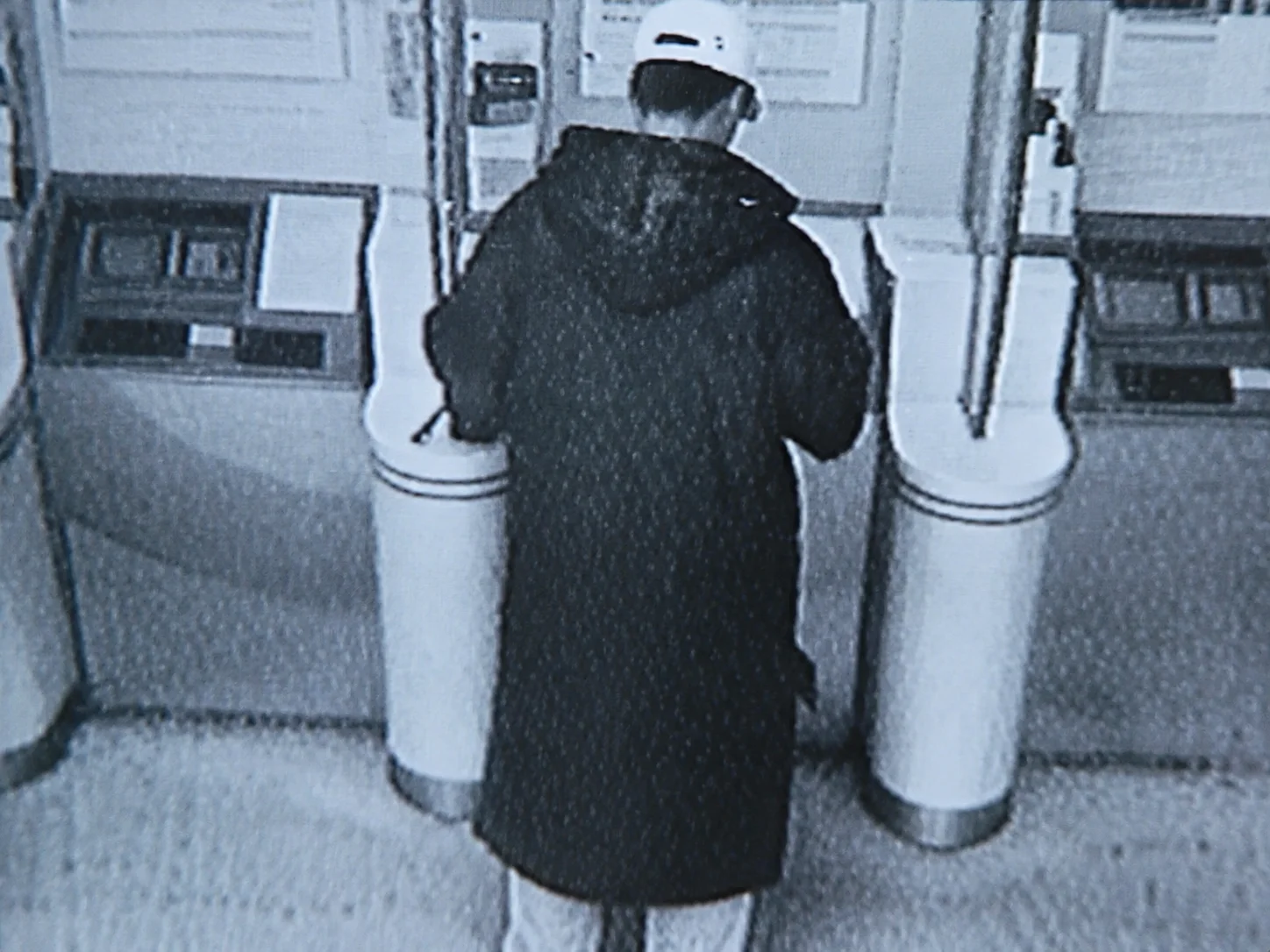
Investigators focused first on the missing wallet, suspecting robbery. Between December 12 and 20, four withdrawals totaling roughly $2,500 — about two years' salary for an average worker at the time — were made from Korea Exchange Bank branches in Busan and Seoul. Police rushed to the Seoul ATM, which had a security camera; the footage, in what became Korea's first criminal case to use surveillance camera evidence, showed only a man's back, identifiable merely as someone in his twenties — not enough to name a suspect.
The Employee Who Bought a New Car
Questioning Bae's inner circle turned up twenty-one-year-old Yong-cheol Jeon, a former employee behaving strangely — he usually borrowed a beat-up car from a friend, but right after Bae's disappearance, suddenly bought a brand-new one. Jeon's history was one setback after another: a former child actor since age ten who never landed a real break, drifting between odd jobs until he met Bae on a set in August 1993 and begged for work. Bae, noting his slight build and outgoing personality, hired him as road manager for actress Jin-sil Choi.
The relationship soured quickly — Bae was frequently late paying him and would slap or kick him in front of others, workplace abuse that was far more tolerated in the 1990s than it would be today. Jeon, who already had five prior convictions for assault and injuring a relative, responded by stealing from the stars he worked with and misusing their credit cards, eventually getting caught stealing from Bae's own office and fired. His sudden new car right after Bae vanished made him the obvious next lead — but by then, Jeon had already gone into hiding.
A Pact That Didn't Survive a Day

Police traced Jeon through two cell phones he'd bought in Busan under his real name, following his trail through Gangneung, Chungju, and Jincheon before spotting his white car at a highway tollbooth in Eumseong County on December 23. He fled toward Jincheon but, realizing escape was hopeless, called police from a payphone and turned himself in — initially confessing to killing Bae out of revenge for constant humiliation and to steal his money. By the next dawn, his story flipped entirely: he claimed a man named Young-min Kim was the real killer and that he'd only assisted. Kim, hearing the news, turned himself in too, insisting the reverse — that Jeon was the one who strangled Bae. Between their conflicting statements, the full picture finally emerged.
After being fired, Jeon fell into illegal gambling and roughly $20,000 in debt — about a year and a half's salary. Desperate, he tried returning to film sets looking for manager work and ran into Bae, who mocked him openly: "You? A piece of trash like you thinks you can be a manager?" Humiliated, Jeon fixated on killing him, but needed help. In early December, he met Young-min Kim at an adult arcade in Cheongnyangni — a man in equally desperate straits, with five prior assault convictions, a car theft a year earlier, and an active lawsuit over roughly $5,300 in unpaid debt. Jeon proposed splitting the proceeds from robbing "an insanely rich guy," and Kim agreed instantly.
Final Thoughts
At 11 p.m. on December 11, 1994, the two arrived at Bae's house in a borrowed car, armed with wooden clubs and a gas gun. No one answered the door, so they broke in and waited in the dark. Around 11:30 p.m., an unsuspecting Bae returned from drinks; the moment he opened the door, they struck him with the clubs and sprayed gas in his face, dragging his collapsed body to the master bedroom and binding him with curtain cord. When he regained consciousness, he begged for his life, offering them everything — cards, cash, bank access — swearing he wouldn't go to police. They took roughly $470 in cash and checks plus two credit cards, then strangled him with a tie anyway.
They dumped his body in a remote, wooded slope in Seorak-myeon, Gapyeong — a location Jeon knew from a prior film shoot during his time as Jin-sil Choi's manager — then spent Bae's money on a flashy car and parties across Seoul and Busan, with Jeon reportedly bragging to women that he was "the guy who makes stars," impersonating the very man he'd killed. As the investigation accelerated faster than expected, the two returned to confirm the body was still hidden and disposed of Bae's passbook, the curtain cord, and a broken ashtray in Cheongpyeong Lake before splitting up under a pact: whoever got caught first would take full blame so the other could survive. Jeon, arrested first, broke that promise within a day.
At the 1995 trial, actress Jin-sil Choi testified given her closeness to both the victim and Jeon, drawing intense media attention despite having no involvement in the crime itself. The court found no room for leniency, sentencing both men to life in prison, upheld on appeal. Over the following decades, Jeon spent years insisting he was innocent and later claimed, unconvincingly, that someone else had orchestrated the murder — a theory never substantiated. Both men reportedly served relatively comfortable sentences, with Jeon earning over ten certifications and a college degree behind bars; one was eventually paroled for good behavior, the other released on a stay of execution, and both returned to society with their current whereabouts unknown. For Jin-sil Choi, the case meant losing the man who built her career to murder at the hands of someone from her own inner circle — a weight few people ever have to carry.
Yong-cheol Jeon and Young-min Kim made a pact that whoever got caught first would take all the blame — a promise Jeon broke within a day of his arrest. What do you think it says about criminal partnerships that loyalty like that almost never survives the moment it's actually tested?
WE DOCUMENT.
YOU DECIDE.
Our interpretation is only one possible perspective.

